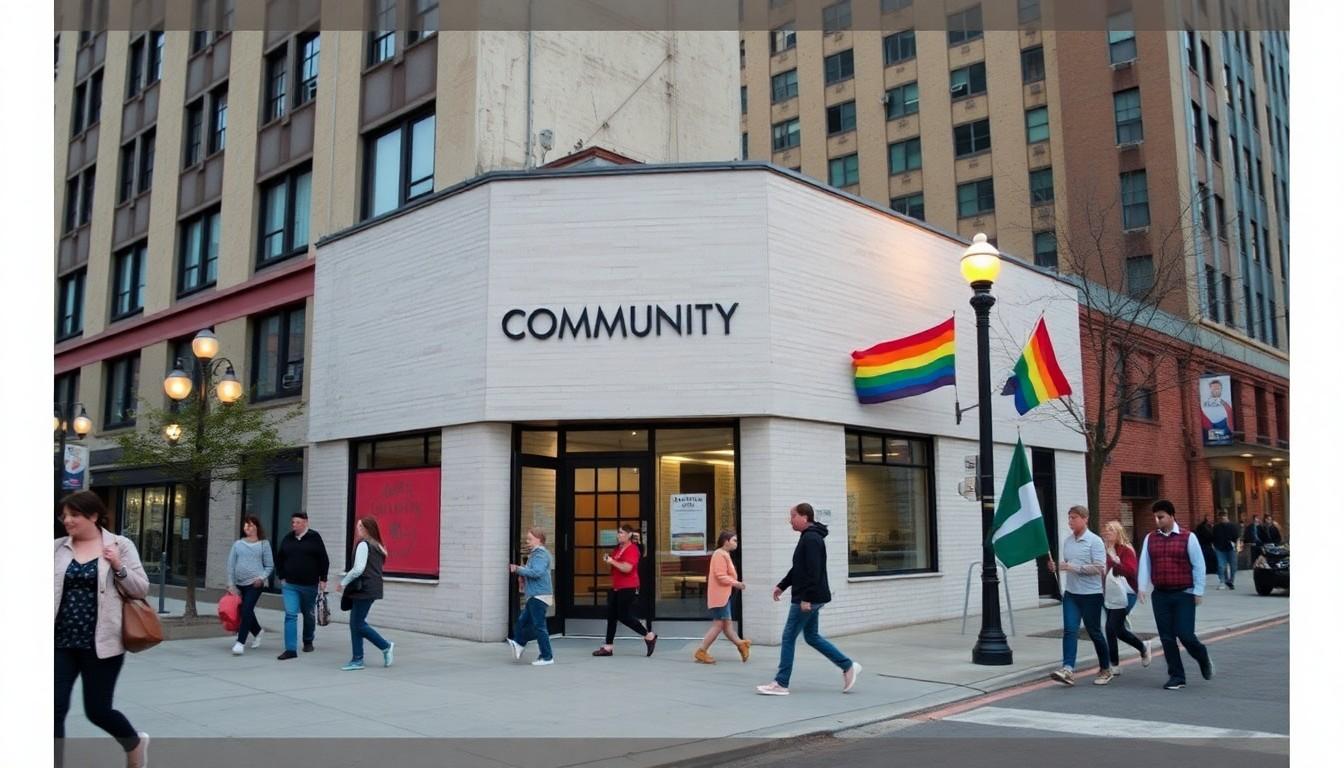
Readers are revisiting how LGBTQ rights have changed, from Stonewall and marriage equality to today’s debates over language, identity and inclusion. The conversation matters because social progress rarely moves in a straight line. It advances through legal victories, personal understanding and occasional jolts that challenge people to notice who has been left out.
Essential Takeaways
- Change is rarely tidy: LGBTQ rights have advanced through both gradual reform and dramatic public protest.
- Stonewall still matters: The 1969 uprising became a defining moment in modern LGBTQ activism.
- Marriage equality marked a turning point: The US Supreme Court’s 2015 ruling made same-sex marriage a constitutional right nationwide.
- Language carries history: Terms such as “queer” can feel empowering to some people and painful or unwelcome to others.
- Inclusion needs room for disagreement: Productive advocacy is stronger when it allows questions, nuance and good-faith learning.
Social change often starts with a wobble
A young tree rarely straightens overnight. If its trunk begins to lean, the gentlest solution is usually a gradual correction: pull it slightly in the opposite direction, secure it, wait, then check again. It’s slow, imperfect and rather less dramatic than reaching for a hammer, but it gives the tree time to adjust.
That image offers a useful way to think about LGBTQ rights. Some changes arrive through patient persuasion, while others come after a sudden jolt exposes a problem people had managed not to see. History suggests both approaches can matter, particularly when a minority has spent years asking to be treated as fully human. Stonewall became one such jolt, with the 1969 uprising helping to propel LGBTQ activism into a new, more visible era, according to History. [2]
The emotional force of that moment still lingers. Sometimes a society needs a quiet nudge; sometimes it needs a wake-up call loud enough to disturb its comfortable assumptions.
The legal milestones reshaped everyday life
The long arc of reform includes a series of important changes in law and public policy. Illinois decriminalised homosexuality in 1961, the American Psychiatric Association removed homosexuality from its list of mental disorders in 1973, and the US Supreme Court struck down remaining sodomy laws in Lawrence v. Texas in 2003.
Then came Obergefell v. Hodges in 2015. The ruling required every US state to license and recognise marriages between same-sex couples, transforming marriage from a state-by-state battle into a nationwide constitutional right, as History explains. [3] For many people, it was more than a legal technicality. It meant families could make plans with fewer caveats and couples could see their relationships recognised in the same civic language as everyone else’s.
That kind of progress can feel quietly revolutionary. The paperwork may look ordinary, but the dignity behind it is not. Research into minority stress has also shown why legal recognition and social acceptance matter: persistent stigma is associated with poorer mental health outcomes, while supportive environments can offer real protection. [4]
Why “queer” still carries complicated feelings
Language changes, but it doesn’t erase memory. “Queer” was once widely used as an insult, yet many LGBTQ people have reclaimed it as a broad, flexible identity that can include people whose sexuality or gender doesn’t fit conventional categories. The Guardian has explored how the word’s modern use can operate as a form of emancipation, especially for people who find older labels too narrow. [5]
Still, reclamation isn’t universal. Someone who grew up hearing the word alongside threats or violence may never want to use it for themselves, and that reaction deserves respect. The same label can feel liberating to one person and deeply uncomfortable to another, so assuming everyone shares the same vocabulary is a quick route to an avoidable row.
The practical rule is refreshingly simple: use the terms people choose for themselves, ask politely when you’re unsure and don’t turn a conversation about someone’s identity into a test of ideological purity. Even well-meaning allies can make mistakes. What matters is listening, correcting course and avoiding the defensive performance that makes a small error feel much bigger.
Pronouns and identity require curiosity, not panic
Pronouns can seem daunting, especially when someone encounters unfamiliar forms for the first time. Yet the basic social principle is familiar: names and forms of address are ways of showing another person that you see them. The Human Rights Campaign advises allies to use a person’s stated pronouns, apologise briefly when mistakes happen and keep practising rather than making the other person manage the discomfort. [6]
That doesn’t mean every exchange will be effortless. People forget, stumble and occasionally need time to adjust, particularly when a new pronoun conflicts with long-established habits. A sincere correction usually does more good than an elaborate explanation about why the mistake happened.
It’s also worth separating genuine confusion from deliberate hostility. Someone asking, “Could you explain what you mean?” may be trying to learn. Someone repeatedly refusing a person’s name or pronouns after being told clearly is making a different choice. Those situations shouldn’t be treated as identical, because doing so leaves no space for good-faith growth.
Inclusion works best when it leaves room for people
Public arguments about LGBTQ identity often collapse several different questions into one. Sexual orientation, gender identity, political language and activism are related in some conversations, but they aren’t interchangeable. “Queer” can be an identity, an umbrella term, a political description or simply a word someone dislikes; Parade’s explainer captures some of that range and the importance of personal preference. [7]
That complexity doesn’t weaken LGBTQ rights. In fact, it makes a stronger case for focusing on clear principles: equal treatment, safety, freedom from discrimination and the ability to live honestly. Those principles can be defended without requiring every person to adopt the same vocabulary or agree on every cultural question.
Allies, meanwhile, have a practical role beyond displaying the right badge or using the latest terminology. They can challenge harassment, support inclusive workplaces and schools, listen to LGBTQ friends and family, and keep learning when the subject feels unfamiliar. As the Human Rights Campaign notes, allyship is an ongoing practice rather than a one-off declaration. [6]
The most durable progress may therefore look less like a dramatic victory and more like steady maintenance. A society can keep correcting its lean, carefully and repeatedly, without pretending the work is finished.
Small acts of understanding can keep hard-won progress from bending backwards.
Source Reference Map
Story idea inspired by: [1]
Sources by paragraph: