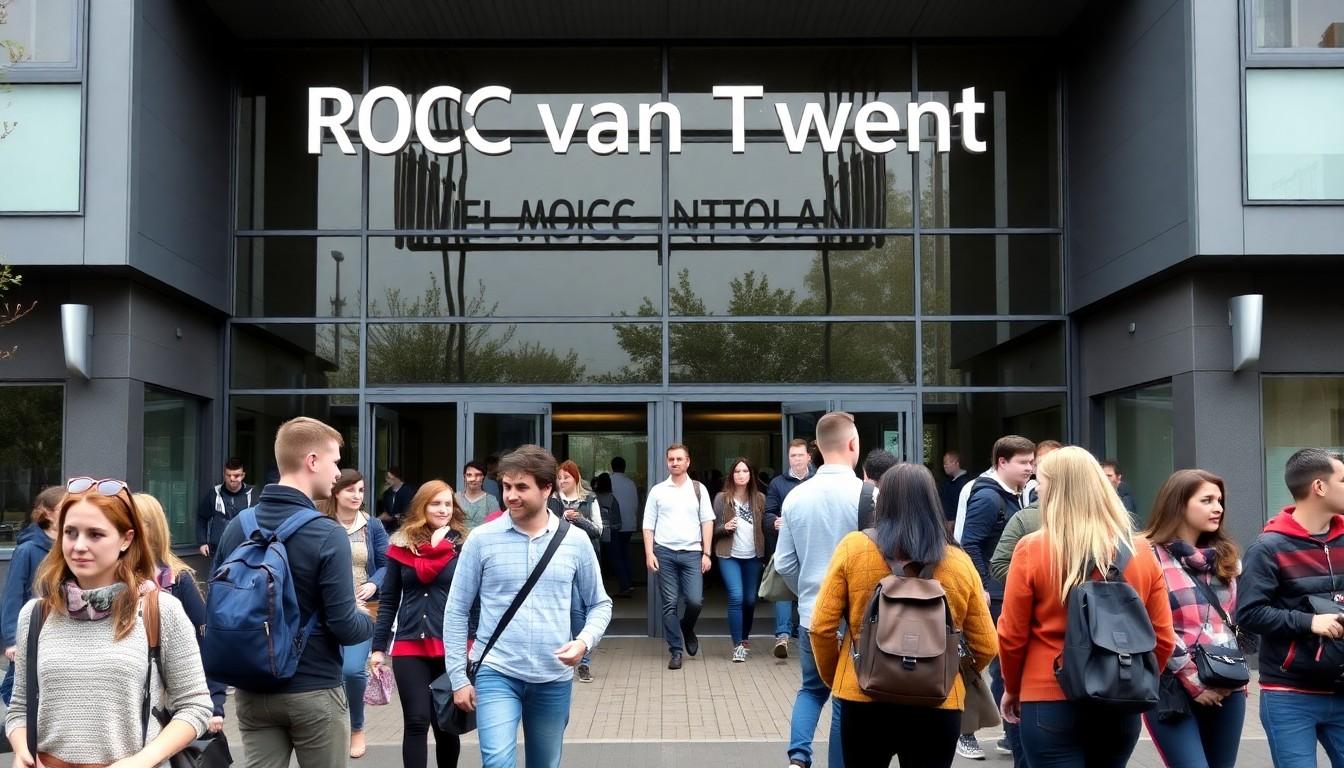
Students at ROC van Twente in Hengelo marked Purple Friday with rainbow bracelets, open conversations and a clear message: LGBTQ+ acceptance should feel ordinary. The warm response was encouraging, but insults and intimidation showed why visibility, support and safe reporting routes remain important for young people.
A colourful stand, and a serious purpose
The rainbow flag went up early outside ROC van Twente's Gieterij location in Hengelo, while students and former students prepared an information stand in the main hall. Their aim was straightforward: to help create a college where people can be themselves without second-guessing every glance or comment.
The bracelets disappeared quickly, which offered a small but telling sign of interest. Students described friendly conversations with classmates, teachers and staff, and said some visitors appeared hesitant before finding the confidence to come over. ROC van Twente describes itself as a broad vocational education organisation with multiple locations, making that everyday visibility especially significant across its community. [2], [4]
Acceptance is visible, but it isn't guaranteed
The positive moments mattered, yet they didn't tell the whole story. Students also reported insults at the event, alongside hostile behaviour they had experienced elsewhere, including people shouting, jeering or making animal noises at them.
That contrast is the uncomfortable heart of Purple Friday. A bracelet can be cheerful and approachable, but wearing one may still feel like a risk when the wider social climate seems less welcoming. One student said the occasion feels more necessary than ever, particularly amid concerns that acceptance among young people may be slipping. [1], [2]
Why a safe college environment matters
For students who are questioning their identity, or simply looking for people who understand them, a visible support network can make a real difference. A conversation at a busy stand may be the first step towards joining a regular LGBTQ+ student group or seeking help privately.
ROC van Twente has a confidential support structure through its vertrouwenswerk service. That gives students a route to discuss sensitive experiences, concerns or boundary-crossing behaviour with someone outside the immediate classroom dynamic. Knowing that help exists can be reassuring, even before a student needs to use it. [3], [7]
Support needs more than one day
Purple Friday creates attention, but acceptance can't be packed away with the flags. It works best when colleges combine visible campaigns with clear expectations, trusted adults and practical ways to report discrimination.
That matters because students may not always want to make a formal complaint straight away. Some are worried about being labelled difficult, while others aren't sure whether an incident is serious enough to mention. A confidential adviser, a supportive tutor and a clear explanation of available help can lower that barrier. [3], [5]
Small gestures can open bigger conversations
The students in Hengelo found that some classmates watched from a distance before approaching. That hesitation is worth noticing: people may be curious, supportive or unsure how to start, rather than openly hostile.
A simple greeting, a question asked respectfully or a willingness to listen can shift the mood quickly. The next step is making sure that warmth becomes a habit rather than a once-a-year gesture. ROC van Twente's network of locations means those conversations can continue well beyond one central hall. [4], [6]
It's a small flag, but the message behind it is much bigger: everyone deserves to feel safe being themselves.
Source Reference Map
Story idea inspired by: [1]
Sources by paragraph: