People in the Netherlands may appear increasingly comfortable with LGBTQ+ identities, yet everyday safety and belonging can vary sharply between communities. One local man’s experience of feeling relaxed with his partner in a small Christian village, but more guarded in the city, offers a revealing look at identity, faith and the limits of public acceptance.
Essential Takeaways
- Rural comfort can surprise: A small, religious community may feel more familiar and accepting than expected.
- City life isn't automatically safer: Public visibility can bring confidence, but also unwanted attention and abuse.
- Schools still matter: Clear, balanced education can help young people understand sexuality without turning anyone into a stereotype.
- Symbols divide opinion: Rainbow crossings and Pride events offer visibility, though some LGBTQ+ people feel they don't represent them.
- Personal contact changes attitudes: Familiarity, respect and ordinary interaction often matter more than labels.
A quiet village can feel more welcoming than the city
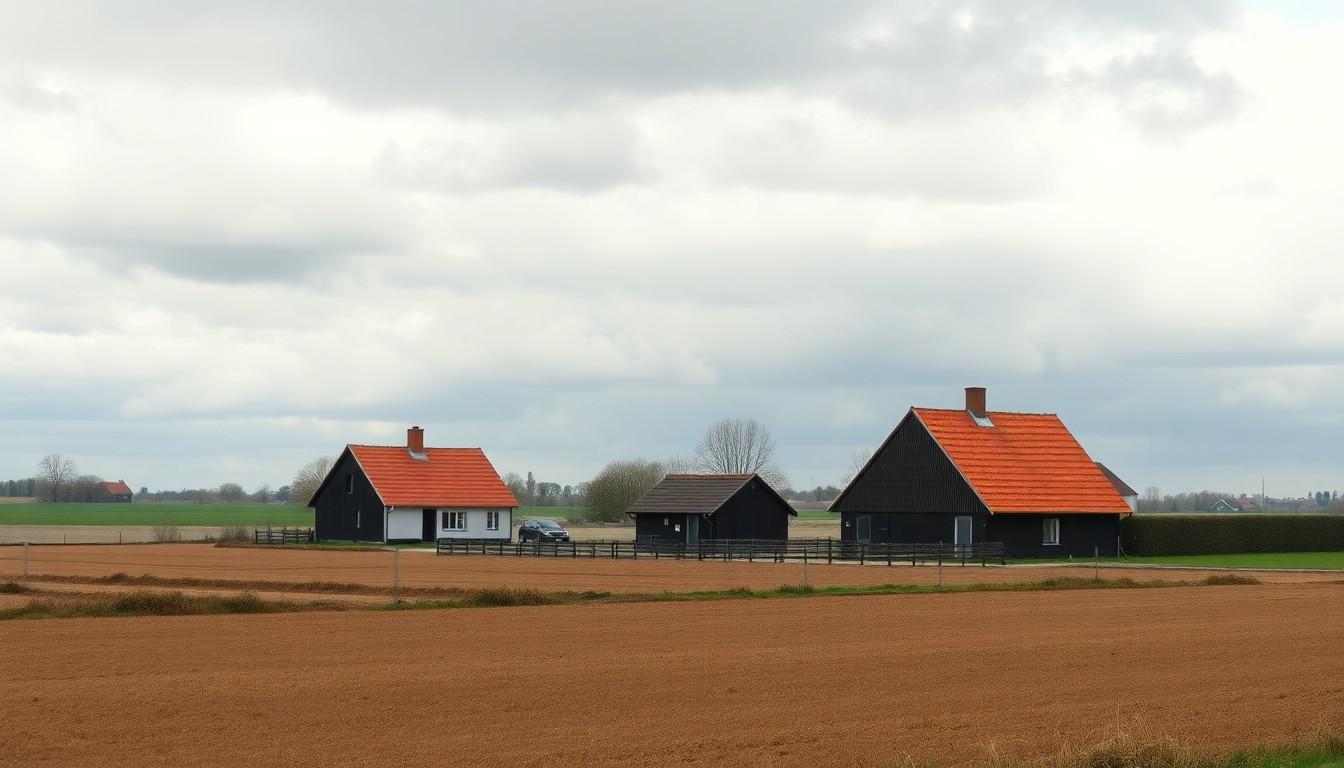
The most striking detail is also the simplest: walking hand in hand without worrying. In Berkenwoude, a small village in the Krimpenerwaard, Teus van Herk says he has generally felt free to be himself with his partner. The setting is deeply Christian, close-knit and unmistakably rural, yet that hasn't translated into the hostility outsiders might assume.
There is something quietly powerful about that contrast. Acceptance doesn't always arrive with a rainbow crossing or a public campaign. Sometimes it looks like neighbours giving each other space, churchgoers living alongside different beliefs and people deciding that a person's private life isn't their business.
The experience described by Van Herk stands out because it challenges an easy urban-rural divide. According to AD's wider reporting, LGBTQ+ people can face verbal abuse and threats in public, showing that a larger population doesn't necessarily create a greater sense of safety.
Familiarity can soften the sharp edges of difference
Van Herk's story is rooted in ordinary details: family, work, farming, church and the landscape around him. His sexuality is important, but it isn't the only thing he wants people to see. That is a familiar wish for many minority groups, who may appreciate visibility while also resenting the pressure to explain or represent an entire community.
His family needed time to process his sexuality, but the response he remembers most vividly was concern for his future rather than anger. That distinction matters. Acceptance isn't always instant, polished or perfectly expressed. Often, it's a gradual decision to keep listening and to remain close.
Other AD reporting illustrates how damaging the opposite experience can be, with one man describing how he avoids walking outside without carefully considering what might happen. Put beside Van Herk's account, the contrast is uncomfortable: two people can live in the same country while moving through public space with entirely different levels of caution.
Why young people's attitudes are causing concern
Van Herk is particularly troubled by signs that acceptance among young people is weakening. That concern gives his account a wider significance, because social progress can look secure until everyday behaviour begins moving backwards.
Schools have an obvious role here. Good sex and relationship education shouldn't be a one-off lesson built around slogans. It should explain sexual orientation, consent, respect and difference in a calm, age-appropriate way, while making clear that nobody is required to fit a particular image.
There are also lessons in the Netherlands' mixed record. Reports covered by AD have included historic mistreatment linked to homosexuality, as well as moments when religious communities have publicly supported gay couples. That uneven picture suggests attitudes aren't fixed. They can harden, soften or change depending on leadership, contact and the stories people hear.
Visibility helps, but it doesn't speak for everyone
Rainbow flags, Pride marches and painted crossings have made LGBTQ+ identities more visible in public life. For many people, that visibility is reassuring, especially in places where silence once suggested that nobody like them belonged.
But Van Herk's unease with some forms of representation raises a fair question: can a movement become so visually recognisable that it starts flattening the people within it? A colourful symbol may be meaningful to one person and alienating to another. Neither response cancels out the other.
AD has reported local efforts to install rainbow crossings, while other coverage has shown solidarity from mosques with a gay couple. Together, those examples suggest that public gestures can open doors, but they work best when followed by real-world behaviour. A painted road is welcome; a neighbour who intervenes when someone is abused is better.
The practical lesson is simple: look beyond the label
For communities wanting to become more welcoming, the answer isn't necessarily another slogan. It may be better information in schools, visible support from local organisations, respectful conversations in places of worship and a willingness to challenge insults before they become normal.
For LGBTQ+ people, the calculation is more personal. Some will want to be openly affectionate in public, while others will choose caution depending on the street, the time or the company around them. That isn't a failure of confidence. It's often a sensible response to experience.
The strongest message in Van Herk's story is that identity shouldn't erase individuality. He is a Christian, a farmer's son, a construction worker, a photographer and a gay man. People are rarely just one thing, and a society that remembers that will be safer and more generous for everyone.
It's easier to respect people when you stop treating them as symbols and start seeing the whole person.
Source Reference Map
Story idea inspired by: [1]
Sources by paragraph:
- Paragraph 1: [2], [3]
- Paragraph 2: [4], [6]
- Paragraph 3: [5], [7]
- Paragraph 4: [3], [5]
- Paragraph 5: [4], [6]
- Paragraph 6: [2], [3]
- Paragraph 7: [5], [6]
- Paragraph 8: [4], [7]
- Paragraph 9: [3], [5]
- Paragraph 10: [2], [4]
- Paragraph 11: [5], [6]
- Paragraph 12: [3], [7]
- Paragraph 13: [2], [5]
- Paragraph 14: [4], [6]
- Paragraph 15: [3], [5]
- Paragraph 16: [2], [7]
- Paragraph 17: [4], [6]
- Paragraph 18: [3], [5]