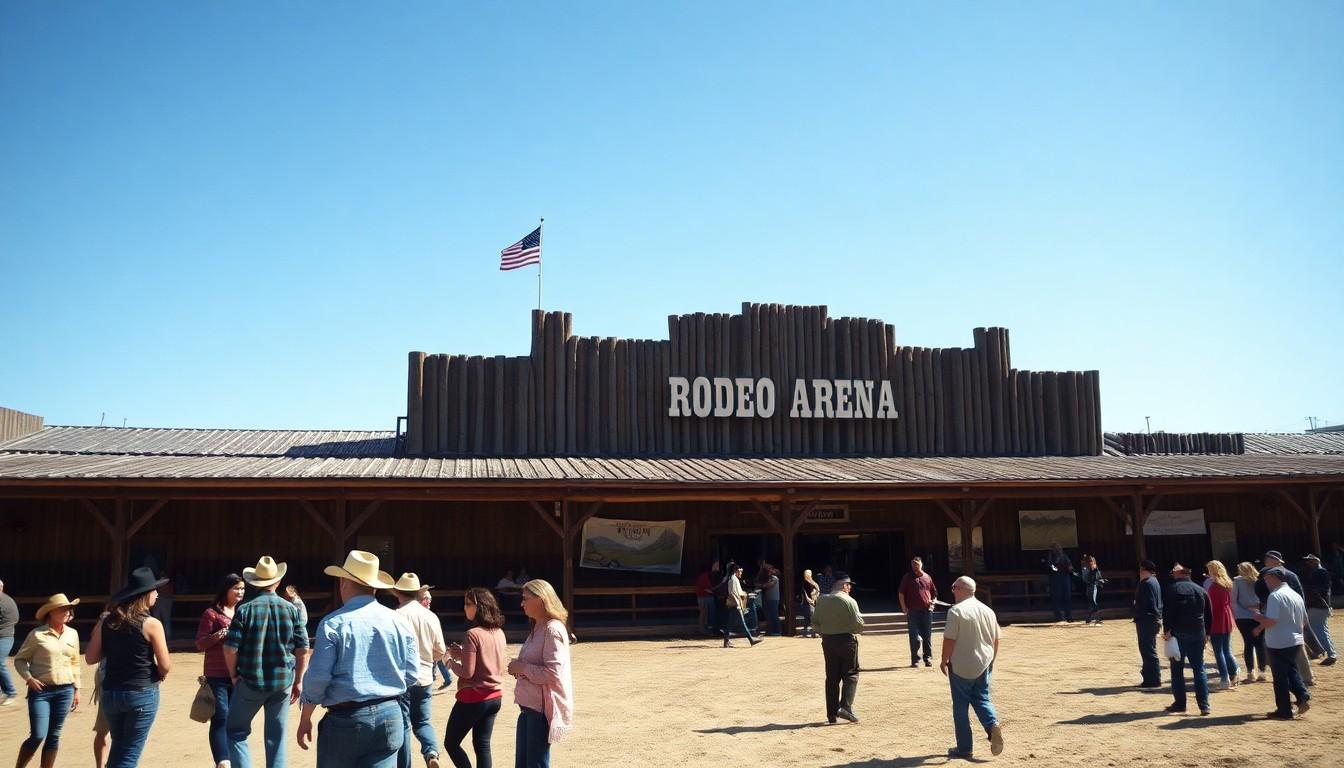
Emma Treu has become a leading female bull rider on the gay rodeo circuit, where courage means acting despite fear. Her story, rooted in Santa Fe, New Mexico, also reveals why inclusive rodeo matters: it offers competition, tradition and a genuine sense of belonging for people who may never have felt entirely at home elsewhere.
Essential Takeaways
- Fear is part of the ride: Treu says courage isn't the absence of fear, but moving through it.
- Bull riding is deeply physical: The noise fades once the ride begins, leaving breath, balance and heartbeat.
- Routine brings focus: Stretching, lucky clothing choices and a Queen of Hearts card help settle her nerves.
- IGRA welcomes everyone: The International Gay Rodeo Association runs events where men and women compete on equal terms.
- Community matters: Treu describes the gay rodeo circuit as a place where she found people who felt like home.
The first lesson came from being afraid
Bull riding looks like pure swagger from the outside. There are chaps, spurs, loud music and plenty of determined faces, but Treu's first experience was much less glamorous: she was shaking on a steer and openly asked whether it was safe.
The answer from a nearby cowboy stayed with her. He was scared every time too. That small admission changed Treu's understanding of the sport, because bravery suddenly looked less like fearlessness and more like choosing to continue while fear is still present.
According to the International Gay Rodeo Association, the organisation's events bring together competitors across a broad range of rodeo disciplines and backgrounds. That wider setting gives riders like Treu room to test themselves without having to fit the narrow image of a traditional cowboy. [2]
What does riding a bull actually feel like?
For spectators, a bull ride is a burst of noise and movement. For Treu, the experience becomes almost silent once she settles onto the animal, with the crowd falling away and the bull's breathing becoming the sound she follows.
She describes the ride as a kind of dance rather than a contest of control. A shift in the animal's shoulder prompts a change in her balance, and the brief moment when rider and bull move together can feel almost perfectly ordered.
That connection is fleeting, of course. A ride can end in an instant, sometimes just before the eight-second mark, but the intensity is the point. The sport demands total attention, which may explain why it feels freeing as well as frightening. [3]
Small rituals steady a very big risk
Before competing, Treu walks around the rodeo grounds, thanks people for turning up and does gentle stretches. She also follows a series of personal habits, from the order in which she puts on her footwear to the precise way she fastens her protective vest.
Then there is the Queen of Hearts card she keeps in her pocket, a tribute to Princess Diana. It isn't a safety device, but it gives the preparation a personal meaning, turning a nerve-racking moment into something familiar.
The practical lesson is useful beyond rodeo. Repeated routines can help athletes focus before high-pressure events, while protective equipment and proper preparation remain essential. IGRA also publishes a sexual harassment policy, reflecting the importance of clear standards in a community built around participation and inclusion. [6]
Gay rodeo offers a different kind of arena
Treu discovered IGRA at a Pride event in Santa Fe, wearing a felt Stetson in summer and apparently committing a serious cowboy fashion offence. The hat may have been seasonally questionable, but it led to an invitation that changed her life.
She soon learned that gay rodeo wasn't simply a version of the sport she had imagined. The circuit offers a place for LGBTQ+ competitors and allies to take part in rodeo events while bringing their own identities, friendships and histories with them.
Regional organisations such as the California Gay Rodeo Association and the National Gay Rodeo Association show how that network extends beyond one event or city. Together, these groups help create a route into competition for people who might otherwise feel excluded from western sports. [3] [4]
Belonging may be the biggest prize
The most moving part of Treu's story isn't the spectacle of riding a bull. It's her description of finding people who accepted her without asking her to become less complicated, less outspoken or more easily categorised.
That sense of belonging is echoed in the wider queer rodeo scene, where western clothing, country music and competitive sport are reclaimed as spaces that can include far more people than old stereotypes suggest. El Pais has also reported on the visibility and variety of queer rodeo culture, including participants who challenge the expected image of the cowboy. [7]
Treu's final insight is quieter but perhaps more lasting: she no longer rides simply to prove that women can ride bulls. The motivation has shifted from spite to grit, and from proving a point to doing something for herself. That feels like a useful definition of courage, whether you're in a rodeo chute or facing a very different kind of fear.
It isn't the absence of fear that makes a rider brave. It's what happens next.
Source Reference Map
Story idea inspired by: [1]
Sources by paragraph: