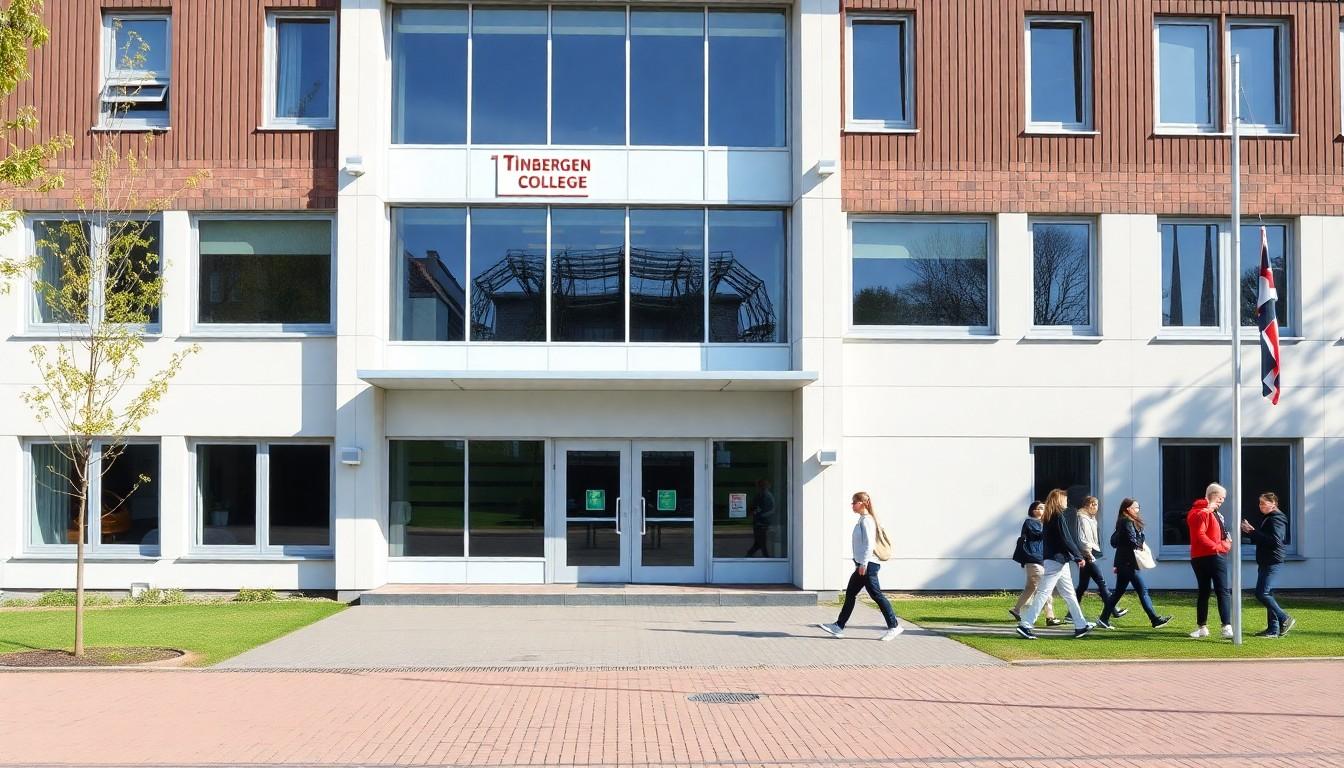
A return to a secondary school in Roosendaal has exposed a worrying gap between official inclusion policies and everyday student life, as younger people report more homophobic language, quieter solidarity and growing pressure to fit in.
Essential Takeaways
- Acceptance has fallen: Recent research puts positive attitudes towards homosexuality among Dutch secondary pupils at 37 per cent, down from 58 per cent in 2017.
- Slurs feel routine: Teachers and pupils report that words such as “homo” and “gay” are increasingly used as casual insults.
- Purple Friday is quieter: Participation at the Roosendaal school has reportedly shrunk from a broad student effort to a smaller show of support led mainly by staff.
- Online influence matters: Teachers point to social media, polarisation and hostile influencers as factors shaping pupils’ views.
- Silence can be protective: Some pupils may support LGBTQ+ classmates privately but avoid speaking up because they fear becoming targets themselves.
A welcoming school can still feel unsafe
The most striking detail is the contrast between the school’s public message and what happens in its corridors. Its stated policy remains clear: pupils should be able to be themselves and feel part of the community. Yet teachers describe more casual homophobic abuse and fewer students willing to challenge it.
That difference matters because school culture isn’t created by posters alone. It’s built in the noisy moments between lessons, in the joke that goes unchallenged and in whether a pupil feels comfortable wearing a rainbow badge or mentioning a same-sex crush. Reporting on Dutch schools has similarly highlighted concerns that LGBTQ+ pupils are increasingly hiding parts of their identity.
Why Purple Friday no longer feels effortless
Purple Friday was once a highly visible show of solidarity at the Roosendaal school, with large numbers of pupils wearing purple or adding a small purple accessory. Now, according to the school’s staff, participation is much more limited and teachers are often the most visible supporters.
That change doesn’t necessarily mean every pupil has become less accepting. It may also reflect a sharper fear of standing out. Coverage from EenVandaag found that schools continue to take part in Purple Friday even as wider acceptance declines, suggesting that the event has become more important precisely because support can no longer be taken for granted.
There’s something quietly revealing about that shift. A colourful school-wide gesture can look easy when everyone joins in, but it takes more courage when pupils suspect they’ll be mocked for participating.
The word “gay” has become a casual weapon
Several pupils interviewed at the school said they regarded homosexuality as acceptable, yet also described “gay” or “homo” being used as a joke or insult. That contradiction is common in discussions about tolerance: students may say they have no problem with LGBTQ+ people while still repeating language that makes the environment less comfortable for them.
For a pupil who is questioning their sexuality, the distinction between “just banter” and genuine hostility can feel academic. Hearing a slur thrown across a classroom sends a message about who is safe to be visible and who should stay quiet.
Research discussed by Dutch education commentators also warns against treating headline figures on acceptance as a complete picture. Attitudes can look broadly positive in surveys while everyday behaviour, peer pressure and willingness to intervene tell a more complicated story.
Home, social media and the pressure to conform
Teachers at the Roosendaal school point to several overlapping influences, including parents, social media and a more polarised public conversation. Young people don’t form their opinions in isolation, and language heard at home or online can quickly appear in the classroom.
The role of social media is especially difficult to manage. A pupil can encounter supportive content one minute and aggressive anti-LGBTQ+ material the next, often delivered by confident personalities who make prejudice sound like rebellion. As NL Times reported in its coverage of the Dutch research, the fall in acceptance among teenagers has happened over a relatively short period, making the trend hard to dismiss as a slow generational change.
Schools can’t control every video or family conversation, but they can decide what happens when harmful language enters the building. Clear rules, consistent consequences and properly supported teachers are more useful than a once-a-year campaign followed by silence.
Support must be visible, practical and consistent
The school’s experience suggests that inclusion work needs more than a policy statement or a themed day. Pupils need trusted adults, confidential reporting routes and lessons that explain why slurs cause harm without turning LGBTQ+ identity into an awkward footnote.
That doesn’t mean every student must express enthusiasm in the same way. Some will be shy, uncertain or worried about attention. But they should still know that support is normal, and that harassment will be addressed rather than waved away as teenage humour.
For LGBTQ+ pupils, the stakes are personal. A school may look tolerant from the outside while feeling lonely inside. The practical test is simple: can a student be honest about who they are without calculating the social cost?
Small gestures still matter, but they work best when they’re backed by everyday courage from staff and students alike.
Explore more ways schools can make LGBTQ+ pupils feel safe, seen and supported.
Source Reference Map
Story idea inspired by: [1]
Sources by paragraph: