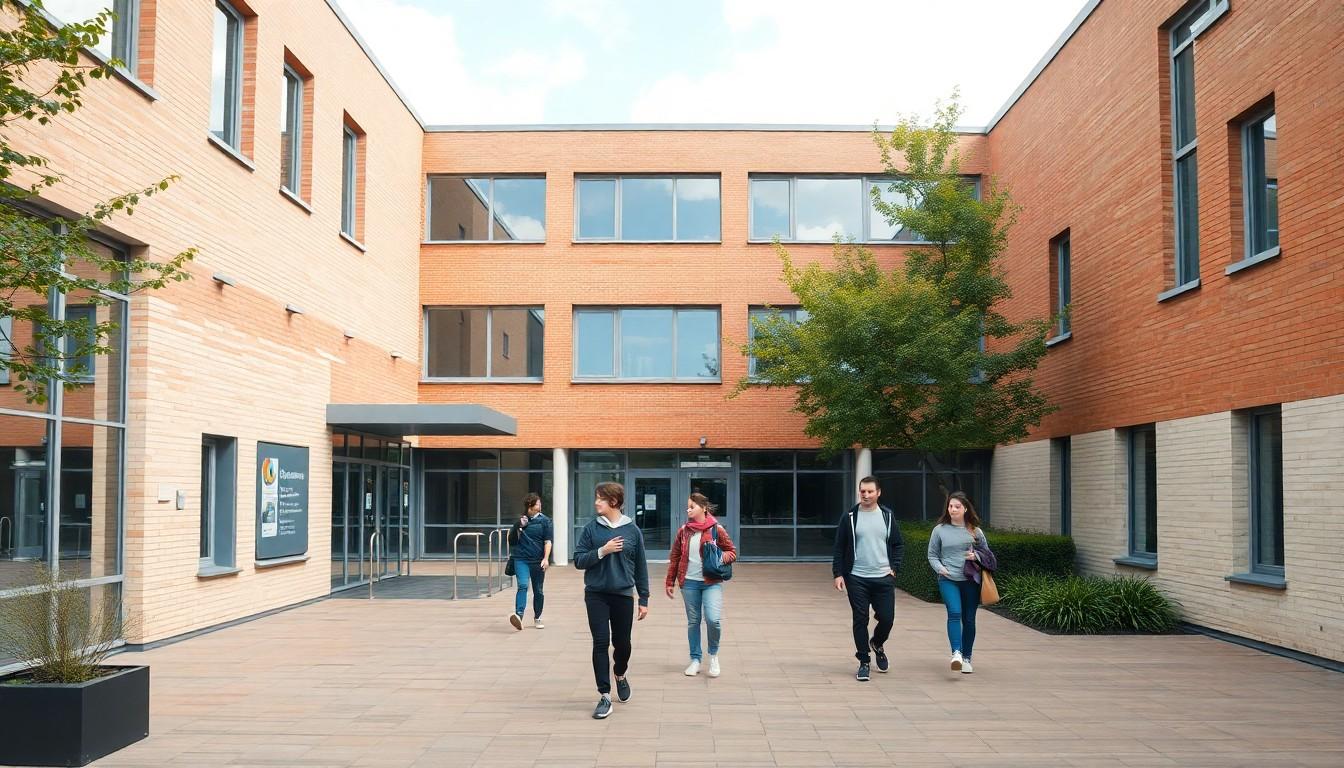
Teachers and pupils in the Netherlands are facing a worrying shift in attitudes towards homosexuality, with new research showing sharply lower acceptance among teenage boys. The figures matter beyond the classroom: they raise questions about safety, staff wellbeing and whether LGBTQ+ people will still see secondary teaching as an inviting career.
Essential Takeaways
- Acceptance has fallen: Positive views of homosexuality have dropped particularly steeply among Dutch secondary-school boys.
- School leadership matters: Teachers are more likely to feel secure when managers listen, respond and offer practical backing.
- Resistance is growing: Some schools, parents and pupils now push back against LGBTQ+ and inclusion activities.
- Support must be year-round: Visibility cannot depend only on events such as Purple Friday.
- The message for teachers is simple: Stay true to yourself, but don't face hostility alone.
A sharp fall that has left educators unsettled
The headline figure is difficult to ignore. Research reported by Utrecht University found that positive attitudes towards homosexuality among Dutch adolescents have declined substantially, with the fall especially pronounced among boys. Earlier figures showed far higher levels of acceptance, making the latest results feel less like a small statistical wobble and more like a serious warning sign.
That change affects the atmosphere in which teachers work. A classroom can look calm on the surface, yet a dismissive joke, hostile comment or difficult parent email can land heavily when it targets someone's identity. The Dutch HBSC study describes the trend as a sharp decline, rather than a minor fluctuation.
For LGBTQ+ teachers, the issue is personal as well as professional. Geography teacher Ramon van der Veen told Brabants Dagblad that his own school has generally been supportive, but one hostile message from a parent still struck deeply because it touched directly on who he is.
Why a supportive school makes such a difference
Van der Veen works at a secondary school in Eindhoven serving pupils with autism and attention-related conditions. He says his sexuality has rarely been an issue there, partly because the school pays attention to LGBTQ+ pupils and responds to signs of bullying or exclusion.
That kind of response can change everything. When a teacher can discuss an upsetting incident with a coach or team leader and receive understanding, the burden doesn't remain theirs alone. Utrecht University's coverage of the research also underlines how school environments shape young people's attitudes, which makes leadership and everyday culture particularly important.
The practical lesson for headteachers is straightforward: listen quickly, record concerns, challenge discriminatory behaviour and make clear who will handle difficult conversations. A teacher shouldn't have to decide between protecting their own wellbeing and doing their job.
The classroom debate has a boundary
Teachers are trained to handle disagreement, and schools should be places where pupils can ask difficult questions. But there is a crucial difference between exploring a controversial issue and expecting LGBTQ+ staff to defend their right to exist.
Reinout Heydra, a geography teacher educator at Fontys, told Brabants Dagblad that future teachers may wonder why they'd choose secondary education if their identity could become a target. That concern is especially serious when a social problem gets placed on one person's shoulders.
The latest Dutch findings give that concern extra weight. Reporting from NL Times and the HBSC network points to a broader deterioration in attitudes, meaning schools can't assume that younger generations will automatically become more accepting. Progress isn't a one-way escalator, unfortunately.
Inclusion work is meeting more resistance
For years, schools in the Tilburg region could approach respect and diversity activities with relative confidence. Bianca Hagenbeek, who previously delivered rainbow-themed programmes for schools and colleges, told Brabants Dagblad that some activities received warm responses once they were underway.
Yet she also found that many schools were reluctant to participate. Resistance came from pupils, parents and sometimes school leaders, with some institutions worrying that LGBTQ+ content would provoke complaints. In practice, that can lead schools to fold homosexuality into the broader language of inclusion, rather than naming it directly.
That approach may make an activity easier to introduce, but it can also make LGBTQ+ pupils and staff feel invisible. Research reported by the University of Utrecht suggests that acceptance has weakened, so avoiding the subject altogether risks leaving misconceptions unchallenged. Inclusion works best when it's both broad enough to include everyone and specific enough to recognise real experiences.
What schools can do now
Support shouldn't be limited to one annual celebration. Purple Friday can be visible and uplifting, but staff need clear policies, trusted contacts and consistent action throughout the school year.
Schools can start with a few practical measures: train managers to respond to identity-based incidents, ensure anti-bullying rules cover staff as well as pupils, and give teachers a private route to report concerns. Lesson materials should also present LGBTQ+ lives as part of ordinary society, not solely as a source of debate.
Teachers and trainees have a role too. Speaking to a trusted colleague, mentor or union representative can prevent an isolated incident from becoming an unbearable one. Van der Veen's advice, reported by Brabants Dagblad, is direct: remain yourself, talk when something is troubling you and don't allow hostility to push you back into hiding.
The wider outlook depends on whether schools treat these figures as a temporary dip or a call to act. The evidence suggests the latter. A welcoming school isn't just kinder; it makes teaching more attractive, protects staff and gives pupils a clearer example of what respect looks like in real life.
A safer classroom starts with backing the people who teach in it.
Source Reference Map
Story idea inspired by: [1]
Sources by paragraph:
- Paragraph 1: [2], [3]
- Paragraph 2: [4], [7]
- Paragraph 3: [5], [6]
- Paragraph 4: [2], [3]
- Paragraph 5: [4], [7]
- Paragraph 6: [2], [5]
- Paragraph 7: [3], [6]
- Paragraph 8: [4], [7]
- Paragraph 9: [2], [5]
- Paragraph 10: [3], [6]
- Paragraph 11: [2], [4]
- Paragraph 12: [5], [7]
- Paragraph 13: [2], [3]
- Paragraph 14: [4], [6]
- Paragraph 15: [2], [5]
- Paragraph 16: [3], [7]