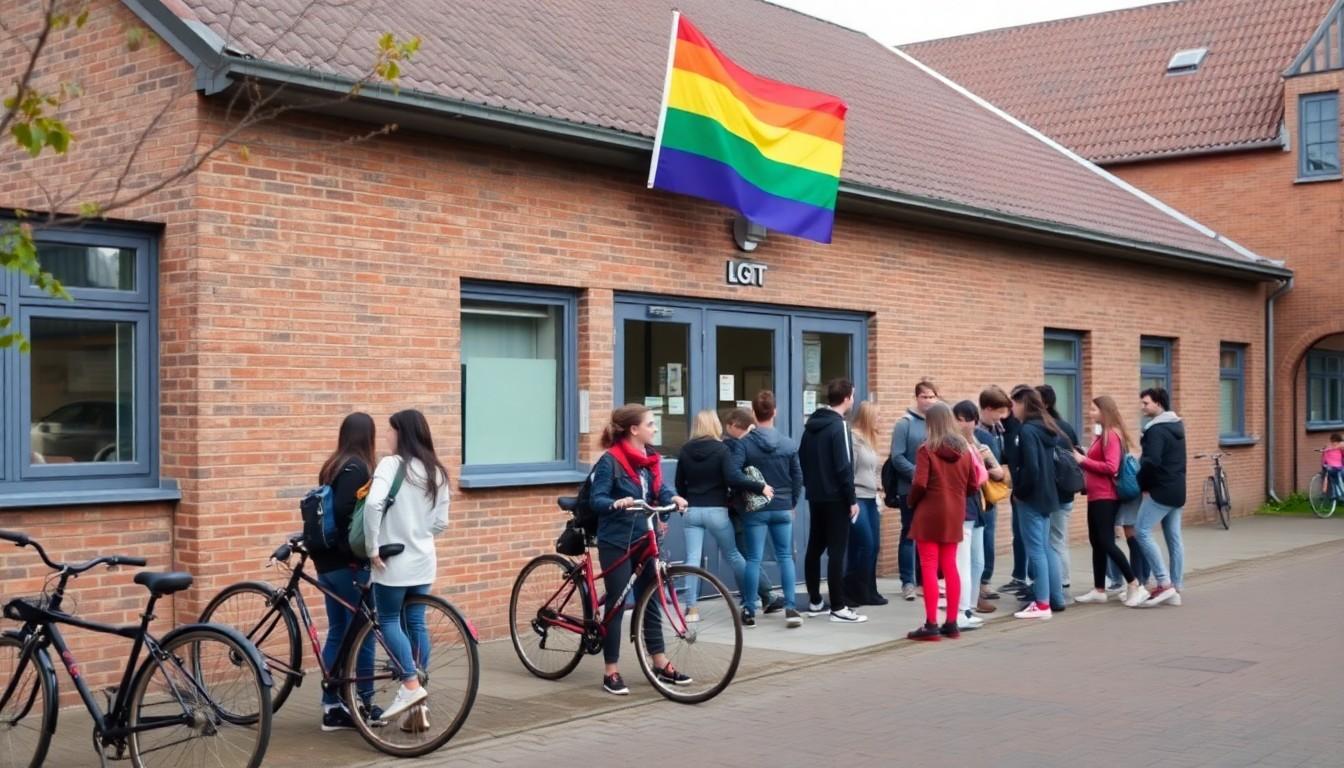
Schools across the Netherlands are preparing for Paarse Vrijdag, the annual day supporting LGBTQ+ acceptance, but growing resistance is changing how some organise it. Posters have been removed, pupils have opted for black clothing and teachers report harder classroom conversations. The result is a quieter, more careful approach focused on safety, respect and participation.
Essential Takeaways
- Most schools still take part: Paarse Vrijdag remains widely observed across Dutch education.
- Resistance is visible: Some schools report vandalised posters, sarcastic remarks, parental complaints or pupils avoiding purple clothing.
- Participation can feel risky: Students may support inclusion privately but hesitate to be seen publicly supporting it.
- Teaching matters as much as clothing: Schools are increasingly using lessons and guided discussions rather than relying only on purple outfits.
- The need remains clear: Guidance on social safety and anti-bullying can help schools create a calmer, more inclusive day.
Paarse Vrijdag is still popular, but the mood is changing
Purple clothing, classroom activities and decorated corridors have become familiar features of Paarse Vrijdag. Yet a survey of Dutch schools reported by AD found that more than a third had encountered some form of hesitation, sensitivity or opposition around the event.
That resistance doesn't always arrive as a dramatic confrontation. Sometimes it's a poster quietly taken down, a sarcastic comment in class or a pupil choosing dark clothes rather than being visibly linked to the campaign. According to Dagkern, the broad picture is similar: most schools participate, but a significant minority are having to navigate a more difficult atmosphere.
For teachers, that can make a day intended to feel cheerful unexpectedly tense. The purple banners may look bright, but the conversations behind them aren't always easy.
Why some pupils are keeping their support private
One of the most revealing details is that reluctance doesn't necessarily mean pupils oppose LGBTQ+ acceptance. Some simply don't want classmates to associate them with the campaign, particularly if visible participants attract mockery or unwanted attention.
That distinction matters. A student might agree with the message but still avoid a purple jumper, badge or photograph. Guidance from Parents and Education stresses that schools need to consider social safety and bullying risks when planning activities, rather than assuming every child feels equally comfortable taking part in public displays.
In practice, that means offering choices. A pupil could join a discussion, use teaching materials or support an activity without standing out in a corridor full of purple. Inclusion works better when it invites participation instead of turning visibility into a test of courage.
Lessons are becoming more important than loud displays
Several schools are responding by shifting the emphasis from a highly visible celebration to education about respect, identity and safety. That could mean smaller activities, structured classroom conversations or a broader programme spread throughout the year.
The COC's Paarse Vrijdag resources are designed to support those conversations, and the organisation says demand for its materials remains strong. Eduye has also reported growing interest from primary schools, suggesting that educators increasingly see inclusion as something to introduce early, in age-appropriate language.
That broader approach has a practical advantage. A lesson can explore stereotypes, name-calling and allyship without requiring every pupil to make a public statement about themselves. It also gives teachers a chance to challenge lazy jokes before they become normalised.
How schools can make the day safer
A well-planned Paarse Vrijdag shouldn't depend on everyone wearing the same colour. Schools can begin by explaining the purpose of the day clearly, consulting pupil groups and making sure staff know how to respond to hostile or dismissive comments.
The social-safety guidance available through Parents and Education offers a useful framework: set expectations, monitor behaviour and treat harassment as a safeguarding issue rather than harmless banter. Schools may also want to provide an alternative way to participate, especially for younger pupils or students who worry about being singled out.
It helps to keep the tone measured, too. The aim isn't to force agreement on every personal question, but to establish a basic standard of dignity. Nobody should be pushed, mocked or excluded for who they are, or for supporting someone else.
A quieter event could still have a stronger impact
The most encouraging part of the picture is that many schools report no significant problems, while others are adapting rather than abandoning Paarse Vrijdag. Some are making the day less theatrical and more educational, leaving room for a wider range of pupils and families.
That may be the sensible direction as schools respond to falling confidence in LGBTQ+ acceptance among young people. A purple outfit is an easy symbol, but a respectful conversation can stay with a student for much longer.
Paarse Vrijdag doesn't need to be noisy to matter. Sometimes the most meaningful progress starts with a classroom where everyone feels safe enough to speak, listen or simply be left alone.
A thoughtful, flexible approach can keep Paarse Vrijdag inclusive without making visibility feel compulsory.
Source Reference Map
Story idea inspired by: [1]
Sources by paragraph: