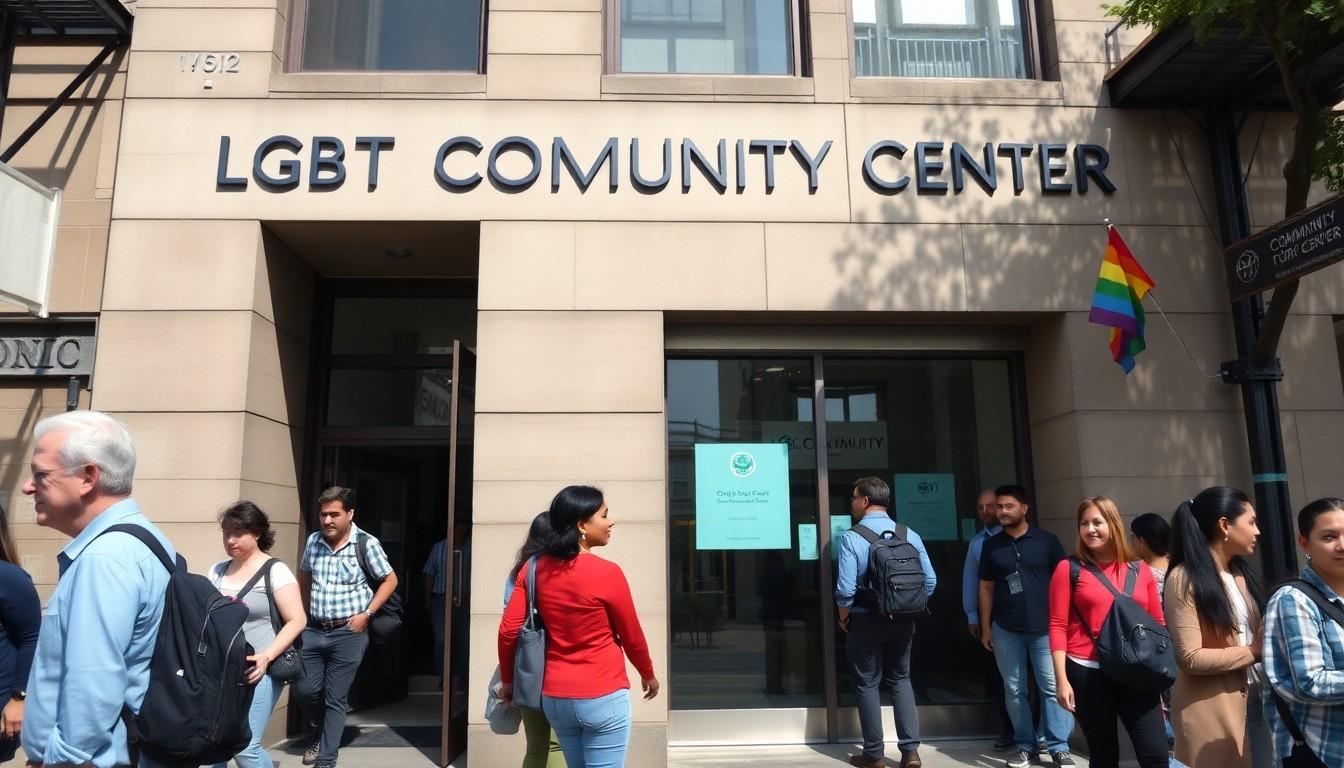
The latest In My Mind conference in New York put climate change mental health firmly on the agenda, exploring how heat, displacement and environmental injustice affect LGBTQ+ people of colour. Its message was clear: climate resilience isn't only about buildings and emergency plans, but also about whether people feel safe, supported and able to recover.
Essential Takeaways
- Climate stress is personal: Heat, poor air quality, displacement and disrupted services can affect concentration, mood and emotional wellbeing.
- Risk isn't evenly shared: Black, Brown, Indigenous and LGBTQ+ communities may face overlapping barriers during environmental emergencies.
- The conference widened the conversation: Sessions connected mental health, environmental justice, research and community care.
- Practical support matters: Emergency planning should account for medication, dialysis, housing, mobility and access to trusted networks.
- Collective care is gaining ground: Organisers are treating community connection as part of the climate response, not an optional extra.
Climate change is already affecting mental health
Extreme weather can leave behind more than damaged homes and disrupted transport. The US Centers for Disease Control and Prevention says climate-related events can contribute to stress, anxiety, depression, trauma and other mental health difficulties, particularly when people lose stability or access to essential services.
That reality shaped the latest In My Mind conference at New York's LGBT Community Center. Hosted by DBGM, the annual event focuses on mental health among LGBTQ+ people of colour, with this edition examining how a changing climate is altering everyday life and emotional wellbeing. The theme felt especially immediate in a year when heat, storms and displacement have remained difficult to ignore.
Heat can make it harder to think, work and connect
One of the most striking observations came from Antoine Craigwell, DBGM's president, founder and chief executive. Recalling workshops in Guyana, he described participants struggling with intense heat, sweating and losing concentration. It was a simple scene, but an important one: when the body is uncomfortable, even useful information can become difficult to absorb.
The conference website positions the event as a space for discussion, learning and connection, while earlier coverage highlighted climate change as a growing mental health concern. That matters because climate conversations often focus on emissions and infrastructure, while the quieter effects - exhaustion, fear, distraction and uncertainty - can be easier to overlook.
For people without reliable cooling, secure housing or the money to relocate, heat isn't merely an inconvenience. It's a daily pressure that can chip away at sleep, concentration and a sense of control.
Environmental injustice doesn't affect everyone equally
Gary Bailey, from Simmons University's School of Social Work, used his session to explore how environmental conditions intersect with race, sexuality, disability, poverty and geography. Poor air quality, limited green space and food insecurity don't arrive as separate problems for many people. They stack up, making recovery more complicated when a disaster hits.
That intersectional approach is central to the In My Mind programme, which brings together conversations about mental health, identity and social conditions. Related event material has also framed climate action around collective care, suggesting that communities need more than short-term crisis messaging.
Consider a power cut affecting someone who relies on dialysis, refrigerated medication or powered medical equipment. A fair emergency response has to ask not just how quickly roads reopen, but who can access treatment, who has somewhere safe to go and who may be left out of the first wave of help.
What should better climate support look like?
The CDC recommends paying attention to mental health needs before, during and after climate-related emergencies. In practical terms, that means including trusted support networks, medication routines, accessible transport and culturally competent services in preparedness plans.
Community organisations can play a valuable role here. They may know which residents are isolated, which services people trust and which messages are likely to reach them. The In My Mind conference's mix of panels and breakout sessions, including discussions on eco-justice and research gaps, reflects that broader understanding of support.
For individuals, a modest plan can still help. Keep important contact details in more than one place, check how medication and medical equipment would be managed during a power cut, and identify a cool, safe location you could reach if home becomes unbearable. It isn't a substitute for public investment, but it can reduce some uncertainty.
The conversation is moving towards collective care
Speakers and organisers made a persuasive case that a person's environment can't be separated from their health. If someone is repeatedly returned to unsafe housing, polluted surroundings or a community without reliable services, individual treatment can only do so much.
That idea gives the climate mental health conversation a useful direction. Rather than presenting LGBTQ+ people of colour solely as vulnerable, it recognises their knowledge, networks and organising power. Community-led solutions may not solve every problem, but they can make support feel more human - and much easier to reach.
The In My Mind conference suggests this is a conversation likely to grow. As climate disruption becomes more visible, mental health professionals, activists and community groups will increasingly need to work side by side.
Climate resilience starts with people, not just infrastructure.
Source Reference Map
Story idea inspired by: [1]
Sources by paragraph:
- Paragraph 1: [4], [5]
- Paragraph 2: [2], [3]
- Paragraph 3: [4], [6]
- Paragraph 4: [1], [5]
- Paragraph 5: [1], [4]
- Paragraph 6: [1], [5]
- Paragraph 7: [1], [4]
- Paragraph 8: [2], [6]
- Paragraph 9: [4], [7]
- Paragraph 10: [1], [4]
- Paragraph 11: [2], [5]
- Paragraph 12: [3], [7]
- Paragraph 13: [4], [7]
- Paragraph 14: [1], [2]
- Paragraph 15: [3], [6]
- Paragraph 16: [4], [7]