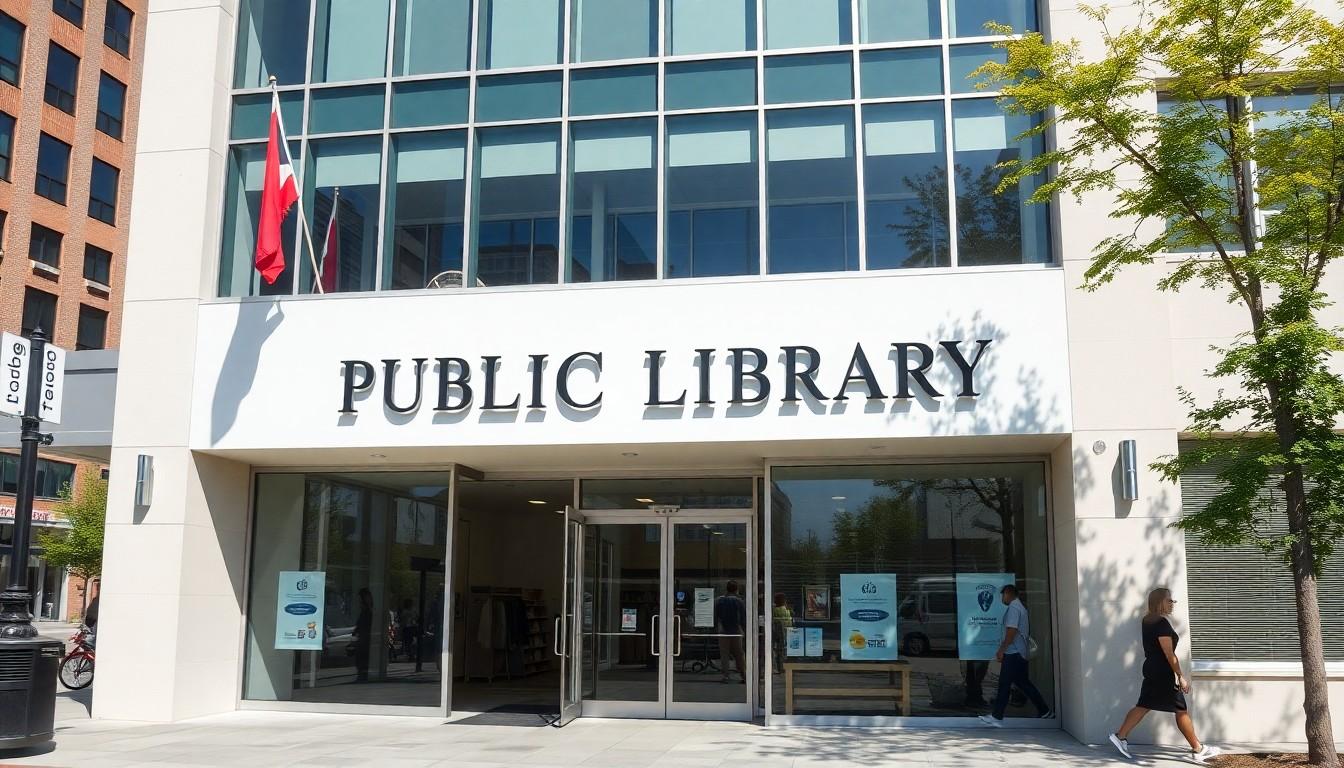
Readers, librarians and educators are marking Banned Books Week across the US from 4 to 10 October, as new figures show school book removals remain stubbornly high. With LGBTQ+ stories and authors of colour disproportionately affected, the annual campaign feels less like a tradition and more like a practical defence of the freedom to read.
Essential Takeaways
- Book challenges remain high: The American Library Association recorded 4,235 unique titles challenged in 2025.
- LGBTQ+ stories are heavily affected: Around 40% of challenged books represented LGBTQ+ people or people of colour.
- School bans are widespread: PEN America counted nearly 12,000 book bans during the 2025-26 school year.
- Pressure often comes from organised groups: The ALA says most challenges came from pressure groups, officials and decision-makers, rather than individual parents.
- This year's theme is direct: "Let Books Be. Protect the Freedom to Read."
The freedom to read is under fresh pressure
A book can look harmless on a library shelf, its spine quiet among hundreds of others. But for a young reader searching for language, reassurance or a glimpse of a possible future, it can feel like a small door opening.
That is why Banned Books Week, running in the US from 4 to 10 October 2026, carries unusual weight this year. The American Library Association's latest figures show 4,235 unique titles were challenged in 2025, only slightly below the record reported in 2023. The campaign's message, "Let Books Be. Protect the Freedom to Read", is hardly subtle, and that seems appropriate.
The ALA's annual observance brings together libraries, schools, publishers, booksellers and readers to highlight censorship and defend intellectual freedom. It also gives communities a useful moment to ask who gets heard, who gets erased and who is expected to grow up without seeing their life reflected in print.
LGBTQ+ stories remain a frequent target
The numbers are especially stark for LGBTQ+ readers. According to the ALA, 1,671 of the titles challenged in 2025, or 40%, represented LGBTQ+ people and people of colour.
That list includes Maia Kobabe's Gender Queer, Malinda Lo's Last Night at the Telegraph Club and Stephen Chbosky's The Perks of Being a Wallflower. They are very different books, but each deals with identity, relationships, vulnerability or the complicated business of becoming yourself. Removing them doesn't make those experiences disappear. It simply makes them harder to find.
Other frequently challenged titles span fantasy, historical fiction and books about abuse, sexuality and trauma. That breadth matters because censorship isn't limited to one genre or one kind of reader. Sometimes a book is targeted for a single scene, a character's identity or an adult's discomfort, while the wider story gets lost in the noise.
The scale of school bans is difficult to ignore
PEN America reported nearly 12,000 instances of books being banned in US public schools during the 2025-26 academic year. Texas accounted for more than 8,000 of those removals, according to reporting from Axios, making the national debate feel particularly concentrated in certain states.
Florida has also ranked among the states with the highest number of school library removals, Axios reported. The result is a patchwork reading landscape in which a title may be readily available to one teenager but absent from the shelves of another just a few miles away.
That unevenness has practical consequences. A student who can't find a book in a school library may not have the money, transport or confidence to seek it elsewhere. For LGBTQ+ teenagers, especially those in unsupportive homes, a library can be one of the few private places where curiosity and self-understanding are possible.
A challenge isn't always the same as a ban
The language matters. The ALA distinguishes a challenge, which is an attempt to restrict or remove a resource, from a ban, where material is actually taken off library shelves or access is limited.
The distinction can sound technical, but it helps readers understand how pressure works. A challenge may trigger a review, a temporary withdrawal or an age restriction, while repeated complaints can create a chilling effect for librarians who fear professional or political consequences.
The ALA says fewer than 3% of challenges in 2025 came from individual parents, while 92% originated with pressure groups, government officials and decision-makers. That finding complicates the familiar picture of one concerned parent objecting to a single title. It suggests a more organised pattern, with campaigns capable of influencing what whole communities can borrow.
Libraries are more than shelves of books
Banned Books Week is often treated as a colourful calendar event, complete with displays, reading lists and rebellious bookmarks. Those things are enjoyable, but the underlying issue is serious: libraries are shared civic spaces where people can encounter ideas without first proving they already agree with them.
The ALA's 2026 message links that role to the future of democracy, arguing that libraries should be treated as essential public infrastructure rather than nostalgic leftovers. That feels especially relevant when challenged books include accounts of queer lives, racial identity, trauma and family conflict.
Readers can help in simple ways. Ask a local library how it handles challenges, support librarians who provide diverse collections, and check whether a favourite book is available through an independent bookshop or digital lending service. Most importantly, read beyond the headlines. A title judged by a clipped description may be very different from the book itself.
The most powerful response to a book ban is often wonderfully ordinary: someone finds the book, opens it and decides for themselves.
It's a small act of freedom, but it still matters.
Source Reference Map
Story idea inspired by: [1]
Sources by paragraph: