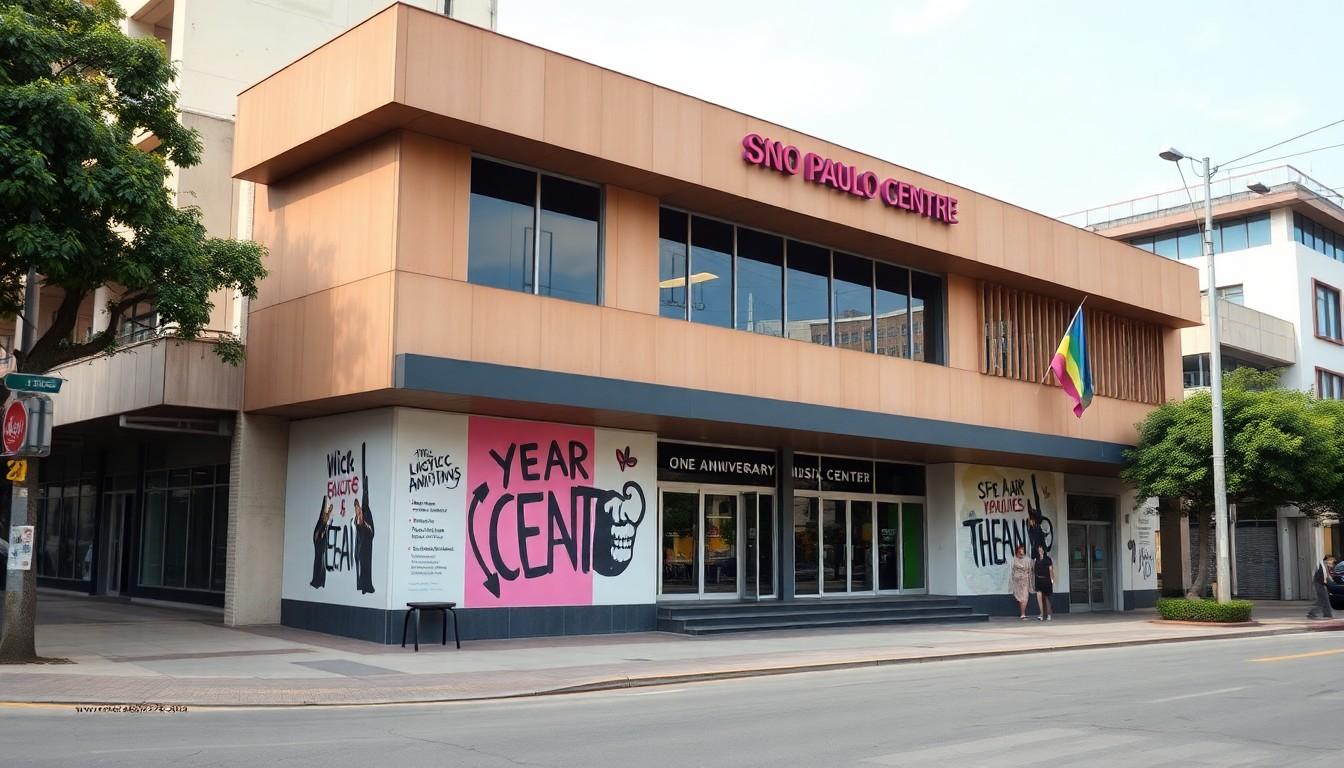
Urias is celebrating the first anniversary of Carranca with a São Paulo show that brings together Brazilian rhythms, spirituality and political reflection. The album’s bold evolution has earned a Latin Grammy nomination, while its creator says the moment calls for courage, organisation and action rather than discouragement.
Essential Takeaways
- A landmark album: Carranca reaches its first anniversary after winning attention for its adventurous sound and personal themes.
- A major accolade: The record was nominated for a Latin Grammy in the Portuguese-language rock or alternative music category.
- A live celebration: Urias returns to the Audio venue in São Paulo with Mya Akoma and DJ Licciss.
- A more open chapter: The singer has brought spirituality, ancestry and Black identity further into her public work.
- A clear political message: Urias says defending hard-won rights requires direct communication and collective organisation.
Carranca turned fear into creative momentum
There’s a particular thrill in hearing an artist take a real creative risk and discover that listeners are willing to follow. For Urias, Carranca was built around that uncertainty, with its mix of Brazilian references, modern production and deeply personal ideas.
The singer has described the album’s courage not as the disappearance of fear, but as moving forward while fear remains present. That feeling sits at the heart of the record’s first anniversary, which is being marked with a show in São Paulo. According to Janela Fato, the album’s themes connect politics, spirituality and identity rather than treating them as separate parts of her life.
The result has been warmly received. Carranca has also brought Urias a Latin Grammy nomination, adding industry recognition to the conversation already happening among listeners.
Why the album feels so personal
Urias has gradually allowed more of her spiritual life into her music and public image. It’s a meaningful shift for an artist who once preferred to keep that side of herself private, but now sees it as an essential part of the whole picture.
That openness also gives Carranca room to breathe. Rather than prescribing a single interpretation, Urias encourages listeners to find their own meanings in the songs. Aurora Cultural noted that the album’s appeal comes partly from this meeting point between individual experience and broader questions about ancestry, belonging and Brazil.
Her artistic journey has always been shaped by movement. Before establishing herself as a singer, she studied several subjects, worked in different creative roles and passed through jobs far removed from the music industry. That varied background helps explain why her work rarely stays in one lane for long.
Old Brazilian rhythms, given a fresh pulse
Carranca looks backwards without sounding trapped in the past. Urias has spoken about wanting to recover older rhythms and carry them into the present, creating something like a Brazilian soul music with a contemporary edge.
That approach follows the direction of her earlier work. Her album Her Mind explored electronic Brazilian music with global ambitions, while also bringing instruments and sounds associated with the country’s musical traditions into a new setting.
One striking example is Voz do Brasil, which draws on the name and atmosphere linked to the long-running state radio programme. The visual language is just as pointed, with national symbols used in ways that feel theatrical, provocative and knowingly political. As Musicalidade reported, the album’s sonic and visual choices are central to its impact, not decorative extras.
The São Paulo show adds another layer
The anniversary concert at Audio gives Carranca a physical setting, where its dense themes can become movement, volume and shared atmosphere. Mya Akoma is set to open, with DJ Licciss also joining the event.
That live dimension matters for an album concerned with the body, memory and collective identity. A track that feels intimate through headphones can take on a different force in a room full of people, especially when the audience already understands the stakes behind the songs.
Kata V News described the performance as a celebration of the album’s first year and its growing recognition. For fans, it’s also a chance to see how Urias translates an ambitious studio project into something more immediate and communal.
Urias says politics needs more than team spirit
The album’s political charge has become even more relevant as Brazil’s electoral climate grows tense. Urias has voiced concern about politicians who target trans people and other LGBTQIA+ communities, while pointing to Erika Hilton’s re-election as a symbol of resistance.
Her wider argument is about communication. In her view, progressive politics needs to speak more directly to people who don’t naturally identify with the left, rather than relying on the language of political camps. Portal Democrata reported that she criticised the tendency to treat elections as a simple contest between opposing teams, without enough attention to the practical effects on rights and daily life.
Her conclusion is blunt but energising: people need to organise, stay engaged and keep fighting. It’s a message that extends beyond the concert stage, turning Carranca’s anniversary into a moment of cultural celebration and civic reflection.
Carranca’s first year shows what can happen when personal truth meets creative risk.
Source Reference Map
Story idea inspired by: [1]
Sources by paragraph: