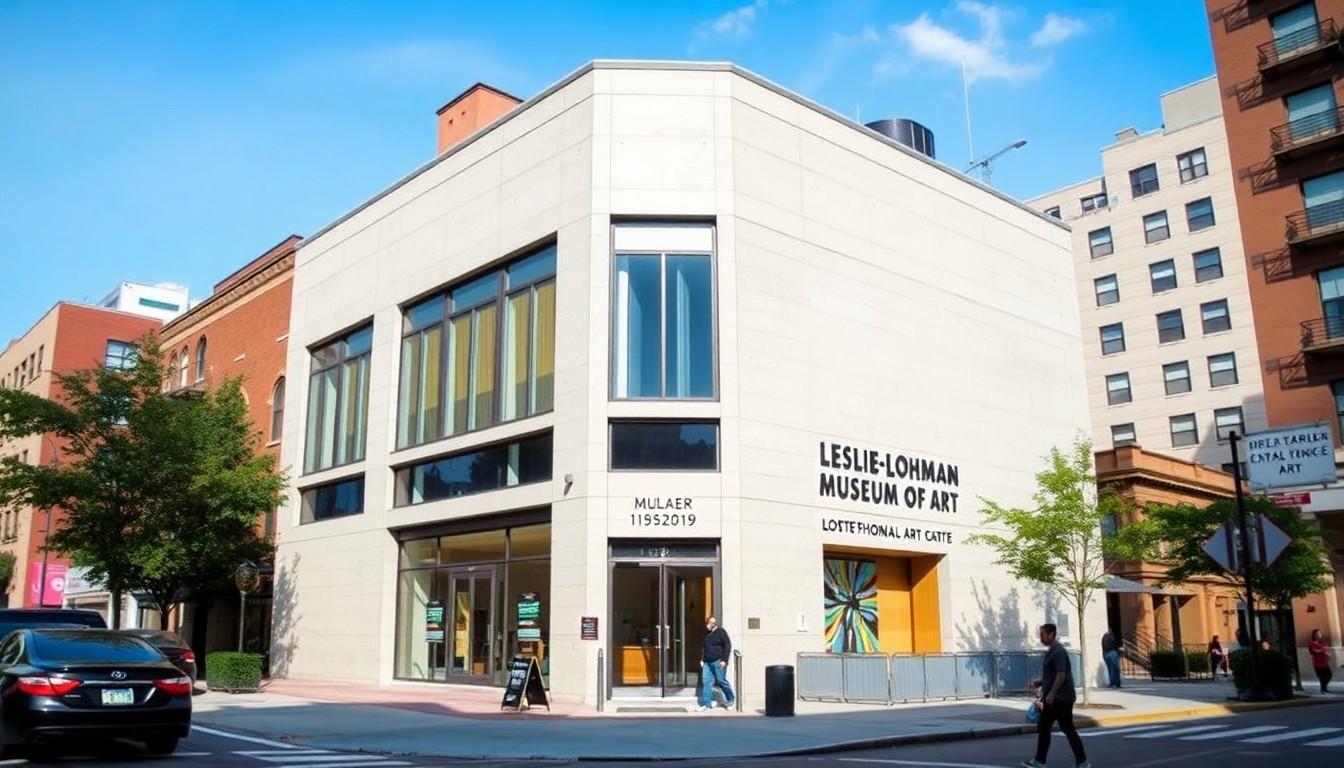
Visitors to a New York gallery found vivid paintings, intimate photographs and textile memorials turning HIV stigma into a conversation about Black queer life. The exhibition brought together ten artists whose work explores grief, tenderness, identity and joy, offering audiences a more human picture of HIV and the people living with it.
Essential Takeaways
- A collective exhibition: Ten Black queer artists created new work through GLAAD's Year 3 EMEI cohort.
- Art with a purpose: The show challenged fear and misinformation around HIV through personal, emotionally rich stories.
- Many forms of memory: Oil painting, photography, graphite, mixed media and textiles gave the exhibition its varied, tactile feel.
- Representation matters: The artists presented Black queer people as whole, complex individuals, not simply through trauma or stigma.
- The conversation continues: Visitors can support the artists by following, commissioning and sharing their work.
A gallery full of colour, memory and conversation
The strongest impression was sensory. Deep reds, emerald greens, bright yellows and metallic fabrics gave the gallery a warm, almost electric atmosphere, while visitors paused to absorb work that was often deeply personal. According to GLAAD, the exhibition was designed to confront the lack of HIV stories in mainstream media and to make space for Black queer artists whose perspectives are too often overlooked.
That combination of beauty and purpose gave the show its pull. It wasn't a lecture dressed up as an exhibition; it was a lively gathering where people talked, laughed and lingered. The work invited viewers in first, then encouraged them to think more carefully about what they believed they knew. [2], [7]
Why HIV representation still matters
Scientific advances have transformed HIV prevention and treatment, but public understanding hasn't kept pace. GLAAD's HIV and AIDS resources highlight how stigma can still discourage openness, testing and access to care, particularly when people encounter outdated or fear-based ideas.
The exhibition responded to that gap by showing lives in full. Its artists explored family, desire, masculinity, home, loss and ambition, making HIV part of a wider human story rather than the only story. That distinction matters, because audiences need to see people living with HIV as neighbours, artists, friends and loved ones, not as symbols of tragedy. [5], [7]
Ten artists, ten ways to remember
The artists brought distinctly different visual languages to the project. Darian Stewart used saturated oil paintings and beadwork to evoke long nights, isolation and the difficulty of finding reliable HIV education. Anthony Badon's bright paintings transformed familiar Black hair-care rituals into images of protection, pride and everyday care.
Elsewhere, Devin Wesley's armoured figures considered the tension between toughness and vulnerability, while Jah Beverly centred Black Trans masculinity, intimacy and desire through graphite drawings. José's towering textile work carried the emotional weight of a memorial shroud, offering a soft, protective image for people lost to HIV and AIDS.
The remaining artists widened the picture further. Kiera Rahming-Reed explored shame and childhood through sculptural, architectural forms; Russell Scott placed chaos and calm side by side; Ryan C. Hamilton photographed Black queer people in the quiet comfort of home. Travion Payne painted trauma and closeness with intense colour, while Zakari's mixed-media portraits celebrated creative identity and the people who shape a community. GLAAD's profiles of Rahming-Reed and Payne offer useful context on how their practices approach memory, psychology and representation. [3], [4]
From representation to something more meaningful
A recurring idea was that visibility alone isn't enough. A person can be placed in an image without being understood, respected or given real agency. During the exhibition's discussions, speakers pushed for what one industry perspective described as a move from representation to resonance: storytelling that feels honest, considered and rooted in lived experience.
That approach is especially important for Black LGBTQ+ communities, where creative opportunities and media platforms can be unevenly distributed. GLAAD's broader work with Black queer creators reflects the value of supporting artists before they become widely recognised, rather than waiting for institutions to catch up. [5], [6]
How audiences can keep the work moving
An exhibition can close, but its impact doesn't have to disappear with the final wall label. Viewers can follow the artists online, share their work, commission pieces or simply talk about the themes with friends and family. Those small actions help turn a temporary cultural event into a longer conversation.
It also helps to approach HIV discussions with current information rather than assumptions. GLAAD's HIV and AIDS guidance is a useful starting point for understanding prevention, treatment and stigma, while the artists' work adds something statistics can't: emotional recognition. In the end, the most persuasive argument may be the simplest one. People deserve to be seen in all their complexity. [5], [7]
The paintings may come down, but the memories and conversations can stay with us.
Source Reference Map
Story idea inspired by: [1]
Sources by paragraph: