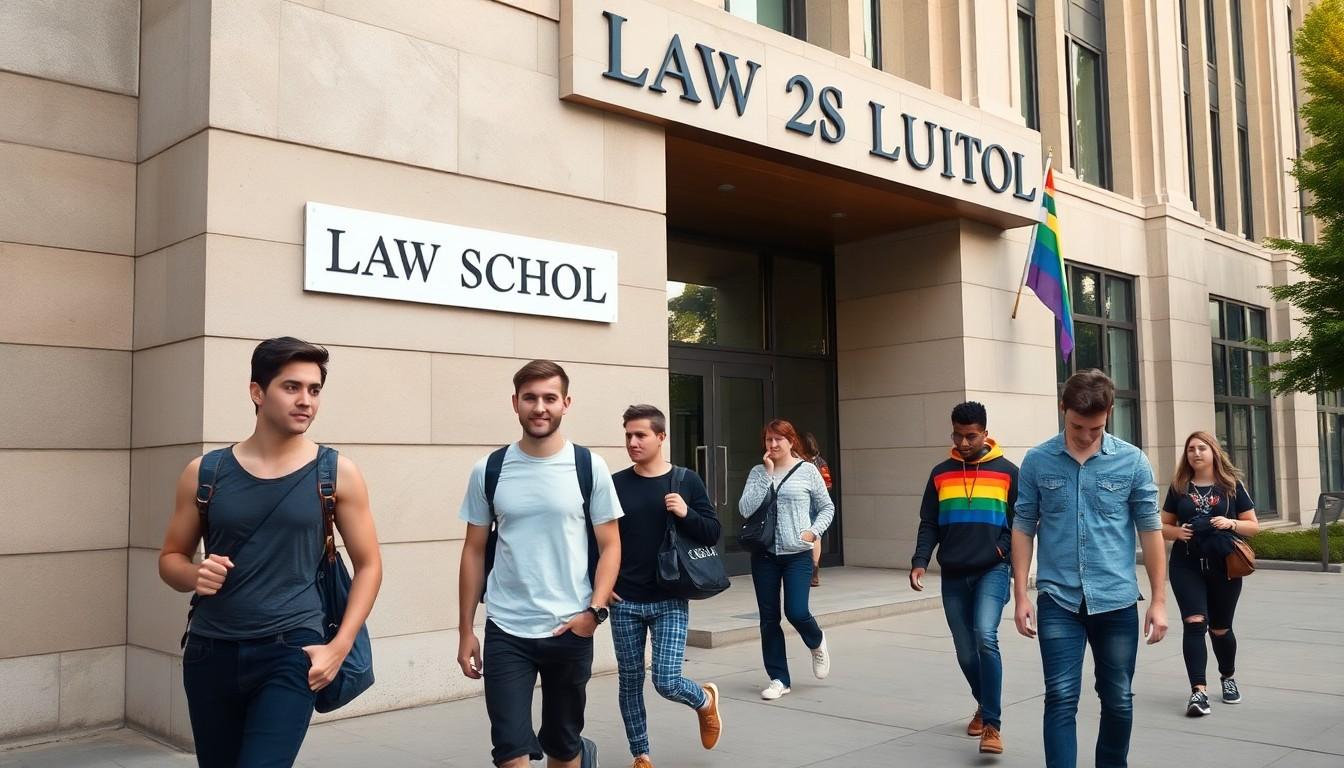
LGBTQ+ Gen Z voters are showing strong interest in the 2026 US midterm elections, with affordability, discrimination protections and climate change high on the agenda. A new Williams Institute study suggests these young voters want candidates who reflect their values, even when they don't share the same identity.
Essential Takeaways
- Turnout looks strong: 73.6% of Gen Z respondents said they definitely planned to vote in 2026.
- Values matter most: More than 76% of LGBTQ+ respondents preferred candidates who shared their values over those who shared their identity.
- Money remains central: Nearly 90% described inflation, high prices and housing costs as a serious issue or urgent crisis.
- Civic participation is growing: LGBTQ+ Gen Z respondents were especially likely to have joined political or community activities recently.
- Party preferences differ: 70.7% said they would vote Democrat in congressional races, compared with 9.5% for Republican candidates.
LGBTQ+ Gen Z voters are more politically engaged than stereotypes suggest
The familiar image of Gen Z as politically weary doesn't quite fit the evidence. According to the Williams Institute, LGBTQ+ respondents were not only planning to vote, but were also more likely than their non-LGBTQ+ peers to have taken part in civic or political activities during the previous year.
That participation can mean more than showing up at a polling station. It includes encouraging friends to vote, joining campaigns, discussing issues and working with others locally. The result is a picture of young voters who may be frustrated with politics, but aren't disengaged from it. The Williams Institute's research found that 73.6% of Gen Z respondents overall said they would definitely vote in the 2026 midterms. ([2], [3])
For campaigners, that's a sizeable audience with plenty of influence. Around 50 million Americans aged 18 to 29 are eligible to vote, making younger voters increasingly difficult for candidates to overlook. ([4], [5])
Shared values beat identity alone
One of the study's clearest findings is that identity, while important, isn't the whole pitch. More than three-quarters of LGBTQ+ Gen Z respondents said they'd favour a candidate who shared their values rather than simply someone who shared their identity.
That distinction matters. It suggests young LGBTQ+ voters are looking for practical alignment on issues such as equality, economic security and democratic participation, rather than treating representation as a box-ticking exercise. A candidate's background may open the conversation, but their record and priorities still have to do the heavy lifting. ([3], [4])
It also offers a useful lesson for politicians hoping to reach this group: polished language won't be enough. Voters want to know what a candidate would actually change, and whether those promises connect with daily life. ([5], [6])
Affordability is the issue that cuts across the divide
For all the political differences between LGBTQ+ and non-LGBTQ+ Gen Z respondents, money is a common concern. Almost 90% described rising prices, inflation and housing costs as either an urgent crisis or a serious problem.
That finding brings the discussion down from campaign slogans to the supermarket checkout and the monthly rent payment. Climate policy, immigration enforcement, the war in Gaza and anti-discrimination laws also ranked as important issues among LGBTQ+ respondents, but economic pressure remains a powerful shared thread. ([2], [3])
It's a reminder that voters rarely organise their priorities into neat categories. Someone may care deeply about LGBTQ+ rights while also worrying about finding affordable housing or paying for essentials. Candidates who treat social and economic concerns as separate worlds could miss how closely they overlap in real life. ([4], [5])
Party loyalties are sharply different
The research found a clear partisan gap. Some 70.7% of LGBTQ+ respondents said they would vote for a Democrat in upcoming congressional races, compared with 9.5% who chose a Republican. Among non-LGBTQ+ respondents, the figures were 48.9% and 34.8%.
That doesn't mean every LGBTQ+ Gen Z voter is politically identical, or that party preference guarantees turnout. But it does show a strong current alignment, particularly when issues such as discrimination protections and the treatment of LGBTQ+ communities are prominent in public debate. ([3], [6])
The wider message is that this electorate is becoming more organised and more attentive. Organisations working with queer young voters say they’re focusing on mobilisation, peer networks and values-led campaigning, rather than assuming identity alone will determine how people vote. ([5], [7])
What candidates should learn before 2026
The study's practical takeaway is fairly simple: listen first, then offer specific answers. Young LGBTQ+ voters appear motivated by a combination of shared principles, financial security and opportunities to act alongside people they trust.
That could mean clearer plans on housing and prices, stronger commitments on equality and more accessible ways to get involved beyond election day. Personal relationships matter, too. A message shared by a friend or local organiser may feel more credible than another glossy campaign advert. ([2], [4])
As Gen Z becomes a larger part of the electorate, its expectations will help shape political debate. The winning formula may not be identity versus issues, but representation backed by tangible results. ([3], [5])
The next election will show whether politicians have been listening.
Source Reference Map
Story idea inspired by: [1]
Sources by paragraph: