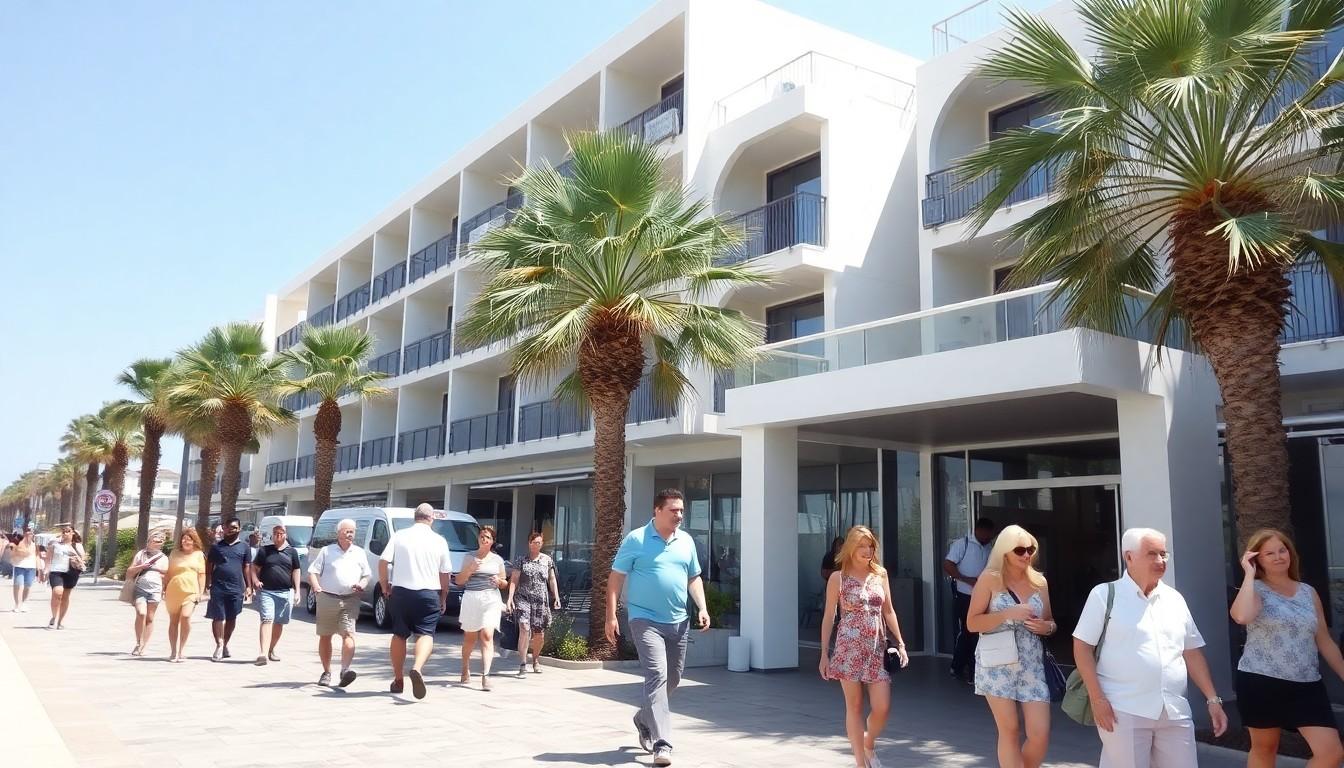
Travellers heading to Turkey are being urged to check the latest Foreign Office advice before departure, with updated guidance highlighting risks for LGBTQ+ visitors and warnings about sexual assault. The advice matters particularly during the busy coastal resort season, when hotels, spas and nightlife areas can become crowded and unfamiliar.
Essential Takeaways
- LGBTQ+ travellers should plan carefully: Same-sex sexual activity is legal, but relationships aren't legally recognised and public affection may attract unwanted attention.
- Pride events face restrictions: Turkish authorities have banned or dispersed Pride events since 2015, while pressure on LGBTQ+ groups has increased.
- Sexual assault remains a concern: British consular staff recorded 29 reported cases in Turkey during 2025, many in coastal resort areas.
- Stay alert in resorts: The Foreign Office says some incidents involved people met earlier in the day, including hotel or spa staff.
- Know the emergency route: Call 112 for Turkish police and contact the nearest British consulate for consular help.
What the new Turkey travel advice says
The updated Turkey travel advice puts a sharper focus on personal safety, particularly for LGBTQ+ visitors. Same-sex sexual activity is legal, but that doesn't mean every setting feels equally welcoming, especially in socially conservative parts of the country.
The Foreign Office says public displays of affection could draw unwanted attention, while same-sex relationships aren't legally recognised. It also notes that official rhetoric against LGBTQ+ people has intensified and that authorities have taken action against organisations and activists. The UK Government's safety and security guidance sets out the same concerns for visitors planning a trip. [2], [7]
That doesn't make every holiday unsafe, but it does make preparation more important. Researching the specific resort, city or region before travelling is sensible, particularly if you're attending an event or travelling as an LGBTQ+ couple.
Why LGBTQ+ travellers should research their destination
Turkey offers everything from lively Mediterranean resorts to conservative inland communities, so the experience can vary dramatically from one place to another. A beach holiday in a busy tourist centre isn't the same as travelling through smaller towns, and local attitudes may shift quickly once you leave the main visitor areas.
The Foreign Office recommends researching where you're going, taking suitable travel insurance and moving somewhere safe if you receive unwelcome attention. Gaycation also reported that the updated guidance followed raids and wider concern about restrictions affecting LGBTQ+ communities. [2], [7]
A discreet, practical approach can help. Save important contact details offline, tell someone at home where you're staying and avoid assuming that a hotel, bar or public event will offer the same protections you might expect in the UK.
Sexual assault warning focuses on coastal resorts
The other major change concerns sexual assault. British consular staff recorded 29 reports, including rape, involving British nationals in Turkey during 2025. Most reported cases happened during the tourist season in coastal resort areas, according to the updated guidance. [2], [5]
The advice says some incidents involved people victims had met earlier that day, with a significant number reportedly linked to hotel or spa staff. It also warns about attacks involving children using toilet facilities alone, making supervision especially important for families.
That detail may feel uncomfortable, but it's useful. Busy resorts can create a false sense of security, particularly when familiar hotel surroundings, late-night entertainment and holiday drinking blur the edges of caution.
Simple ways to stay safer on holiday
Keep your drink with you, use reputable transport and avoid walking alone with someone you've only just met. If a situation feels wrong, leave early rather than worrying about appearing rude. Your instincts are allowed to be inconvenient.
Families should keep younger children accompanied when using hotel or public toilets, while all travellers should be cautious about accepting invitations from unfamiliar staff or new acquaintances. The wider UK travel guidance also recommends checking health arrangements and insurance before departure, not just emergency contacts. [2], [3], [4]
If you're harassed, assaulted or threatened, report it promptly to the hotel and to the Turkish police or gendarmerie. In an emergency, call 112. The nearest British consulate can provide consular support, although it can't investigate crimes or replace local emergency services. [2], [4]
Check the advice before you fly
Travel advice can change, and the details that matter most are often buried in sections people skip until something goes wrong. Check the Foreign Office Turkey page shortly before travelling, read the safety and security section carefully and make sure your insurance covers the activities and destinations on your itinerary. [2], [4], [6]
Turkey remains a hugely popular holiday destination, but popularity shouldn't be confused with uniformity. A little research, a few sensible boundaries and a charged phone can make a surprisingly big difference when you're somewhere unfamiliar.
Travel informed, stay alert and give yourself room to leave situations that don't feel right.
Source Reference Map
Story idea inspired by: [1]
Sources by paragraph: