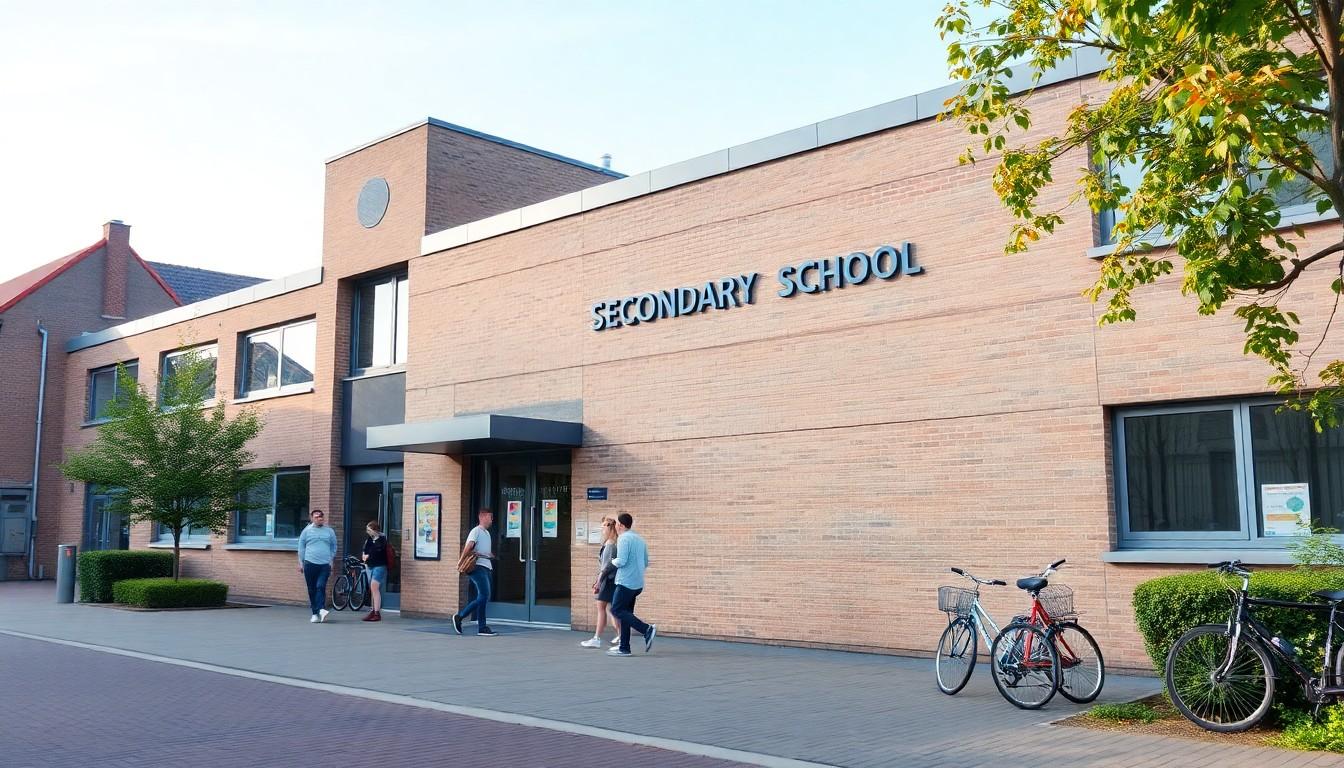
Schools across the Netherlands are rethinking Purple Friday as concerns about LGBTQ+ acceptance grow among teenagers. Some are scaling back visible events, while others are adding classroom preparation, discussion and year-round support to make inclusion feel safer and more meaningful.
Essential Takeaways
- Acceptance is falling: Recent research found a marked decline in positive attitudes towards homosexuality among secondary-school pupils.
- Schools are adapting: Some have replaced parties with quieter activities, classroom discussions or a rainbow flag.
- Preparation matters: Introductory conversations can help pupils and teachers discuss performances and identity respectfully.
- Safety comes first: Purple Friday works best when it forms part of wider anti-bullying and pastoral support.
- Inclusion goes beyond one day: LGBTQ+ groups, mentoring and everyday lessons can make support more visible throughout the year.
Why Purple Friday feels different this year
Purple Friday has traditionally brought rainbow colours, themed activities and public support for LGBTQ+ pupils into schools. But the mood is changing. Recent findings from the Trimbos Institute and Utrecht University point to a sharp drop in positive attitudes towards homosexuality among secondary-school pupils between 2021 and 2025.
That shift has made a once straightforward school event more complicated. A colourful celebration can be welcoming for some pupils, yet feel exposing or uncomfortable for others, especially if they fear being labelled. As schools are discovering, a rainbow badge can't do all the pastoral heavy lifting.
Schools are choosing quieter, more careful approaches
At the Christian Lyceum in Apeldoorn, staff noticed that pupils and teachers felt uneasy after a theatre performance about homosexuality and acceptance. The school has responded by adding a conversation before the performance, giving pupils a clearer idea of what to expect and how to discuss the subject respectfully.
Other schools have reduced the scale of their Purple Friday activities. Some now raise a rainbow flag rather than hold a large event, while others have moved gatherings into smaller rooms after hearing concerns from parents. The aim isn't necessarily to abandon inclusion, but to avoid making the day feel like a public test of identity.
That distinction matters. A pupil shouldn't have to join an eye-catching activity to prove they're supportive, nor should an LGBTQ+ pupil feel pushed into becoming the face of a campaign.
What makes an inclusive school activity work?
The most useful activities tend to be low-pressure, well explained and connected to everyday school life. A discussion in a mentor lesson, for example, can explore disagreement, dignity and how language affects other people without turning one group of pupils into a classroom case study.
Schools can also offer confidential support and make LGBTQ+ pupil groups easier to access. The Goois Lyceum describes its GSA group as a place where pupils can meet, share experiences and work towards a more accepting school climate. That kind of space can be valuable, particularly when joining a formal group feels intimidating.
Parents and teachers also need clear information. Guidance from Ouders & Onderwijs and COC Nederland presents Purple Friday as part of a broader approach to social safety and anti-bullying, rather than a standalone celebration. In practice, that means consistent rules, trusted adults and visible routes to help when a pupil feels unsafe.
Beyond the rainbow flag: building support all year
Several Christian schools say they still want to provide a safe environment for pupils with a homosexual orientation, even when they don't organise a dedicated Purple Friday programme. Their approach is to include the subject in wider citizenship education and classroom conversations about differences in belief, politics and identity.
That broader framing can be helpful. Pupils are learning not only what a school believes, but how to disagree without humiliating or excluding someone. It also makes LGBTQ+ inclusion less likely to be treated as an annual decoration, rolled out for a day and packed away by Monday.
Activities listed by schools and education organisations range from discussion sessions to diversity projects and student-led campaigns. Even playful ideas can work when they create curiosity without forcing personal disclosure. A little silliness, in other words, may open the door to a serious conversation.
A practical checklist for schools and families
Schools planning Purple Friday should start by asking what pupils actually need. Is the priority visibility, education, support, or all three? A short anonymous survey, staff discussion or pupil consultation can reveal whether a large event will feel welcoming or simply conspicuous.
The format should match the answer. Fast chewers need sturdy dog treats; fast-moving school campaigns need equally careful sizing. Give pupils context beforehand, offer alternatives to public participation and make sure staff know where to direct concerns.
For families, the key question is whether Purple Friday sits within a credible wider safety policy. Look for clear anti-bullying procedures, accessible pastoral staff and evidence that inclusion is discussed throughout the year. One rainbow flag can be encouraging, but everyday behaviour is the better measure.
Purple Friday still has a place, but its success may now depend less on how loudly a school celebrates and more on how safely pupils can take part, opt out or ask for help.
It's a small shift in format, but a significant shift in care.
Source Reference Map
Story idea inspired by: [1]
Sources by paragraph:
- Paragraph 1: [4], [6]
- Paragraph 2: [5], [7]
- Paragraph 3: [3], [4]
- Paragraph 4: [2], [7]
- Paragraph 5: [5], [7]
- Paragraph 6: [3], [6]
- Paragraph 7: [2], [5]
- Paragraph 8: [4], [6]
- Paragraph 9: [3], [7]
- Paragraph 10: [2], [5]
- Paragraph 11: [5], [7]
- Paragraph 12: [3], [6]
- Paragraph 13: [2], [4]
- Paragraph 14: [5], [7]