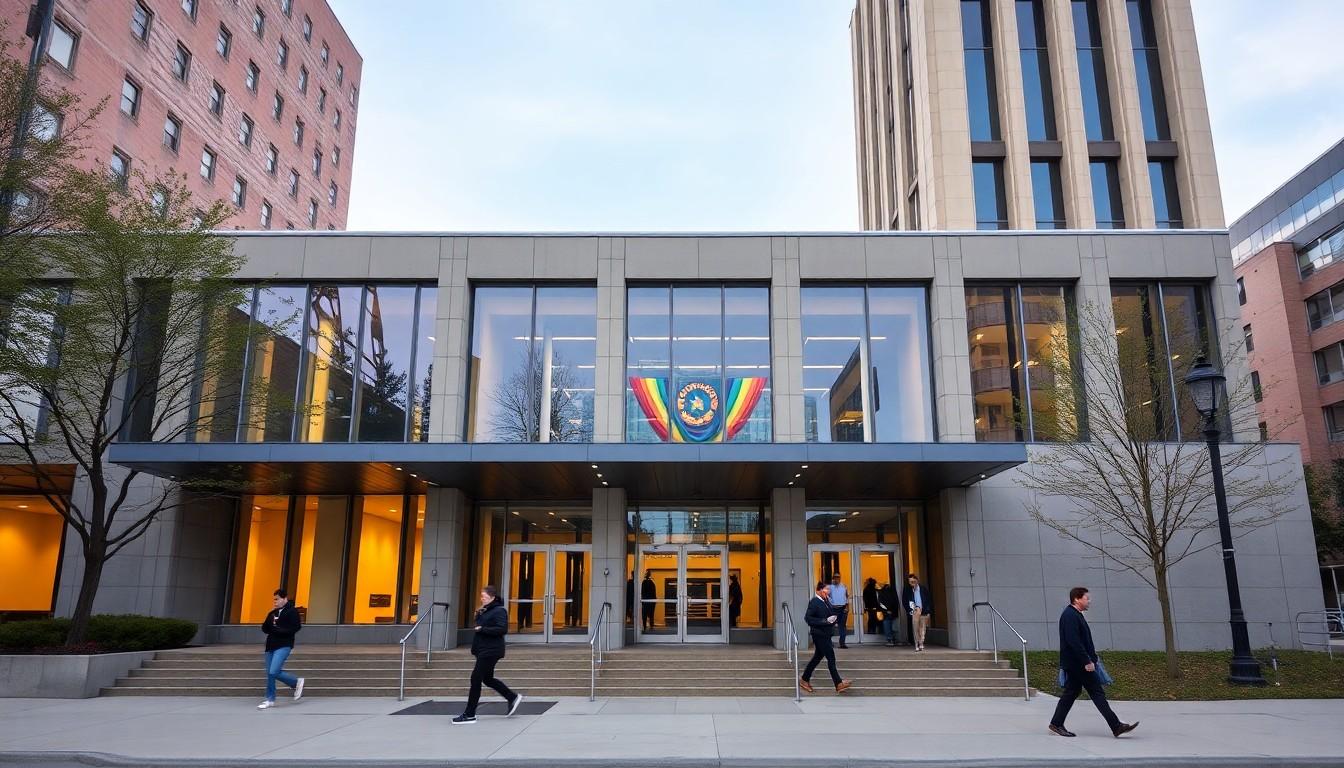
October is bringing LGBTQIA+ History Month to campuses and communities across the US, with talks, archives and social spaces helping people connect with queer history. At the University of Pittsburgh, students and staff are putting local stories centre stage, creating welcoming ways to learn, reflect and find inspiration.
Essential Takeaways
- October tradition: LGBTQIA+ History Month is observed each year, with its roots in the early 1990s.
- Why October matters: The month links to historic LGBTQIA+ rights marches and National Coming Out Day on 11 October.
- Local focus: Pitt's archive event highlights queer life and activism in Pittsburgh, as well as on campus.
- Open to everyone: Events and resources are designed for LGBTQIA+ people, allies and anyone curious to learn.
- History with a human touch: Books, zines, newspapers, footage and other artefacts make the past feel tangible.
Why October remains a powerful month for LGBTQIA+ history
October's LGBTQIA+ History Month celebrations are more than a diary marker. They offer a chance to look at the people, protests and everyday experiences that shaped queer life, while also asking what kind of future communities want to build.
The observance began taking shape in the early 1990s, after Missouri teacher Rodney Wilson proposed a dedicated month for LGBTQ history. According to background information collected by Ohio University, the month is intended to recognise contributions and experiences that have too often been left out of mainstream accounts.
October was a deliberate choice. It connects with the first and second Marches on Washington for LGBTQ rights, and it includes National Coming Out Day on 11 October. That gives the month both a historical anchor and a more personal dimension, from public activism to private moments of self-discovery.
Pitt puts Pittsburgh's queer past on display
At the University of Pittsburgh, the University Library System's Archives and Special Collections is holding an LGBTQIA+ Archive Open House in collaboration with the Office of Inclusion and Belonging. The event is set to feature journals, newspapers, flyers, advertisements, zines and archival footage.
The emphasis on Pittsburgh makes the display especially engaging. Rather than presenting queer history as something distant or abstract, the collection shows how LGBTQIA+ people have shaped the city and the university over decades.
The materials span the 1960s to the 2000s, offering a textured view of community life. A leaflet or magazine can sometimes reveal more than a polished textbook, capturing the language, concerns and small acts of connection that defined a particular moment.
Student groups make history feel close at hand
Rainbow Alliance at Pitt is also encouraging students to explore LGBTQIA+ history through its office library, which includes non-fiction books covering queer history and law. The group provides a social space for queer students and keeps its office available during the week.
That practical welcome matters. For students who are new to campus or still working out where they fit, a quiet room, a useful book or a friendly conversation can feel just as significant as a formal lecture.
The approach reflects a wider pattern across universities. Ohio University and Penn State, among other institutions, use LGBTQIA+ History Month to combine education with community programming. The result is less a single annual ceremony and more a network of opportunities to read, listen and meet people.
How to explore LGBTQIA+ history beyond one event
You don't need specialist knowledge to take part. Start with a local archive, university library or LGBTQ community organisation, then follow the stories that catch your attention. Exhibitions, oral histories and digitised newspapers can make a good first step, particularly for people who prefer real voices and objects to dense academic writing.
It also helps to look beyond famous names. National Coming Out Day and LGBTQ history resources often spotlight major milestones, but family memories, student groups, neighbourhood venues and grassroots campaigns tell an equally important story.
For anyone attending an archive open house, curiosity is enough. Ask how material was preserved, whose voices are missing and what has changed since the item was created. Those questions turn a display into a conversation rather than a row of objects behind glass.
A month that looks backwards and forwards
For Pitt staff and students, the value of LGBTQIA+ History Month lies partly in its ability to connect generations. Civ Williams of Rainbow Alliance said the month encourages students to remember that queer people existed long before them, while archive staff hope visitors discover something unexpected and encouraging.
That balance is important. Looking back can be comforting, but it can also show how much work communities have done to create safer spaces, stronger networks and greater visibility. As the National Endowment for the Humanities has noted in its own LGBTQIA+ History Month coverage, preserving and sharing these histories helps ensure they remain part of the public record.
The most memorable events won't simply tell visitors what happened. They'll help people recognise themselves, their communities or their hopes in the stories being shared. And that makes October feel less like a history lesson and more like an invitation.
Explore LGBTQIA+ history where you live, and make room for the stories still being written.
Source Reference Map
Story idea inspired by: [1]
Sources by paragraph:
- Paragraph 1: [2], [3]
- Paragraph 2: [5], [6]
- Paragraph 3: [4], [7]
- Paragraph 4: [3], [6]
- Paragraph 5: [2], [5]
- Paragraph 6: [3], [7]
- Paragraph 7: [6], [2]
- Paragraph 8: [3], [5]
- Paragraph 9: [2], [4]
- Paragraph 10: [6], [7]
- Paragraph 11: [3], [5]
- Paragraph 12: [2], [6]
- Paragraph 13: [4], [7]
- Paragraph 14: [3], [6]
- Paragraph 15: [2], [5]
- Paragraph 16: [6], [7]
- Paragraph 17: [3], [4]