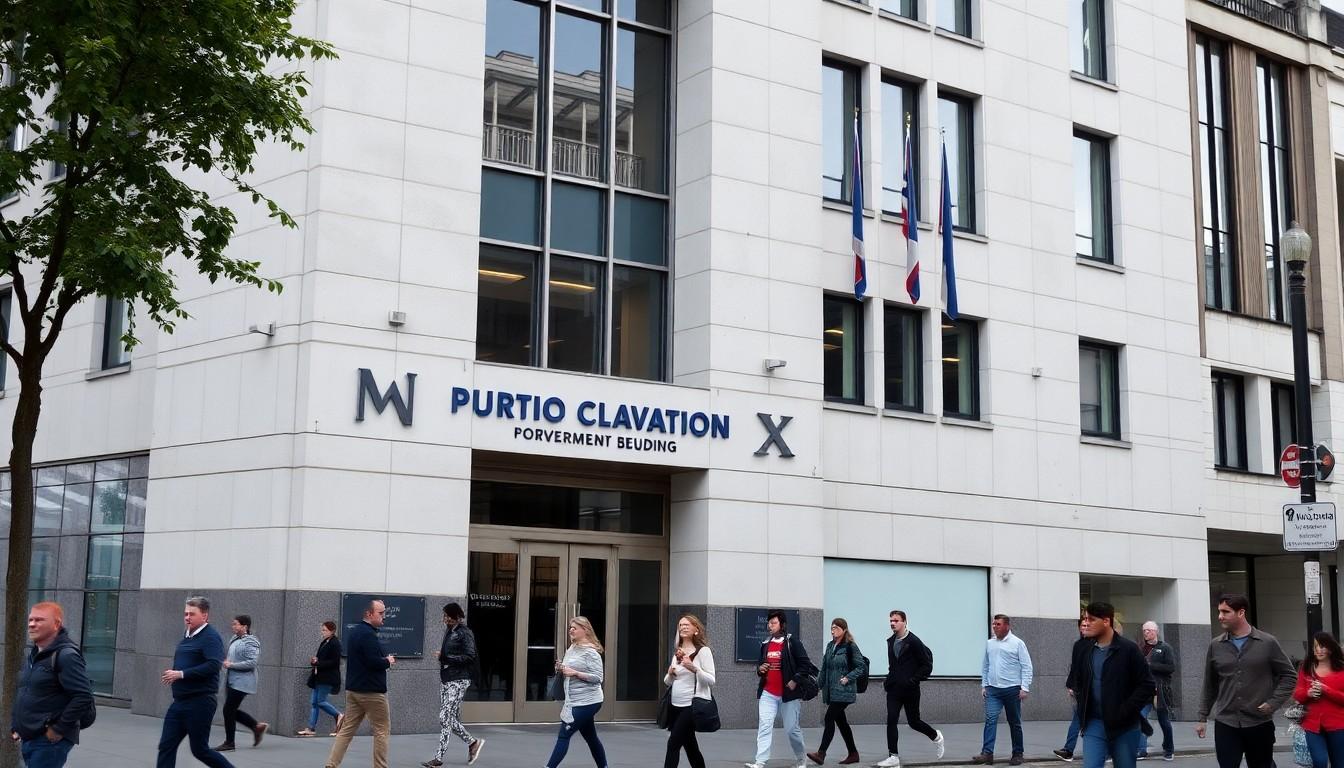
Campaigners, rights groups and community representatives are calling for a fully funded National Action Plan to Combat Hate in Ireland, warning that criminal law alone can't tackle growing hostility, online abuse and polarisation. The appeal comes as Dublin hosts Europe's largest LGBTI conference, putting community safety and social cohesion firmly in the spotlight.
Essential Takeaways
- Broad coalition: LGBTQI+ groups, Travellers, racialised communities, women and human rights organisations are backing the call.
- Beyond prosecution: Campaigners say education, prevention and community investment must sit alongside hate crime laws.
- Online focus: The proposed plan would address misinformation, disinformation and platform accountability.
- Community-led response: Affected communities should help design and deliver the strategy.
- Rights matter: Action against hate must protect equality, free expression and democratic participation.
Ireland's anti-hate debate moves beyond the courtroom
The most striking message from the Dublin gathering is that hate isn't being treated as a problem belonging to one group. LGBTQI+ people, Travellers, racialised communities and women may experience hostility differently, but the fear it creates has a familiar texture: people become less willing to speak, gather or simply move through public life openly.
That shared experience is driving a cross-community demand for a National Action Plan to Combat Hate. LGBT Ireland and Outhouse hosted the discussion alongside the ILGA-Europe Conference, while coverage from The Irish Times and BreakingNews.ie highlighted the wider concern about a measurable rise in hate and the need for a national response.
The proposal is deliberately broader than tougher sentencing. It asks the Government to address the conditions that allow prejudice to spread, rather than waiting until hostility becomes an offence.
Why a new national plan is being proposed
Ireland's Criminal Justice Hate Offences Act 2024 is seen by campaigners as an important legal step, but not a complete solution. Laws can recognise and punish hate-motivated offending; they can't, on their own, undo the misinformation, social isolation or political rhetoric that may help hostility take root.
A national strategy would bring those strands together through prevention, education, community investment and stronger social cohesion. ILGA-Europe's conference programme places the Irish discussion within a broader European conversation about protecting LGBTI people and strengthening democratic resilience.
That joined-up approach matters because responsibility often becomes scattered. Schools, online platforms, police, public services and community organisations each hold part of the answer, but a plan would give them a clearer shared direction.
Online hate is a central battleground
Much of today's hostility travels through phones before it reaches the street. Misinformation and disinformation can be repeated at speed, while social media platforms may amplify provocative material long before users have the context to challenge it.
The organisations backing the proposal want effective accountability for online platforms, as well as better digital and media literacy. The Irish Human Rights and Equality Commission has also stressed the value of helping people recognise prejudice and question harmful narratives, according to coverage carried by The Irish Times and BreakingNews.ie.
For families and educators, that means the practical work isn't only about removing illegal posts. It's also about teaching young people how to spot manipulation, check claims and understand how online outrage can spill into real-world intimidation.
Community voices should shape the response
A recurring demand is that the people most affected by hate must be involved from the beginning. That means survivors, community groups and specialist organisations should help set priorities, measure progress and decide whether policies are working in practice.
The National Women's Council has called for an approach grounded in survivors' experience, with equality and gender equality included in education. Other participants have pointed to the particular impact of homophobic and transphobic assaults, which can affect not only victims but also the confidence of an entire community.
This is more than a consultation exercise. A plan designed without affected communities could miss the quieter consequences of hate, including withdrawal from public life, anxiety about reporting incidents and the gradual loss of belonging.
Protecting rights while confronting hostility
Campaigners are also careful to frame the proposal as a human rights measure, not a licence for broad restrictions on legitimate debate. Any action must protect civic space, freedom of expression and democratic participation while addressing threats, abuse and discrimination.
That balance is important in a tense public conversation. The aim is to challenge harmful conduct and divisive narratives without treating disagreement itself as wrongdoing. As ILGA-Europe's annual conference shows, the issue is part of a wider European effort to build societies where minority communities can participate safely and visibly.
The next test will be whether the call leads to clear funding, measurable commitments and sustained cooperation. A safer Ireland won't be created by one announcement, but a properly designed plan could give communities something they currently lack: a coordinated route from concern to action.
A national strategy could turn widespread alarm into practical protection.
Source Reference Map
Story idea inspired by: [1]
Sources by paragraph:
- Paragraph 1: [2], [4]
- Paragraph 2: [3], [6]
- Paragraph 3: [2], [5]
- Paragraph 4: [3], [6]
- Paragraph 5: [2], [4]
- Paragraph 6: [3], [6]
- Paragraph 7: [5], [7]
- Paragraph 8: [2], [3]
- Paragraph 9: [4], [7]
- Paragraph 10: [2], [5]
- Paragraph 11: [3], [6]
- Paragraph 12: [2], [4]
- Paragraph 13: [5], [7]
- Paragraph 14: [3], [6]
- Paragraph 15: [2], [5]
- Paragraph 16: [3], [7]
- Paragraph 17: [2], [4]