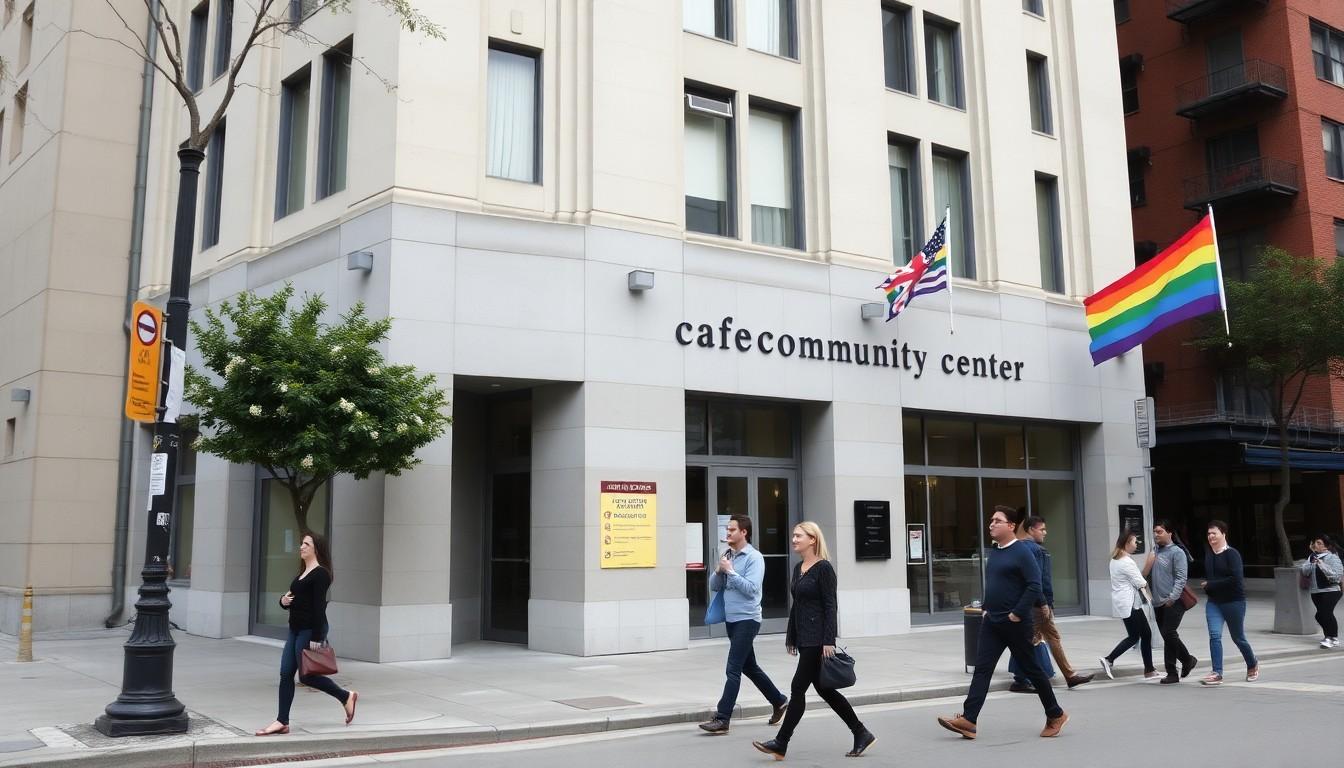
Shoppers aren't the only people rethinking what feels acceptable in public spaces. In San Francisco's LGBTQ+ nightlife scene, recent allegations have renewed a wider conversation about consent, unwanted touching and the legal meaning of sexual battery. The central message is simple but important: a bar, club or party is never permission to touch someone without clear agreement.
Essential Takeaways
- Consent must be clear: Silence, clothing, eye contact or entering a venue don't automatically signal permission.
- Unwanted touching can be criminal: California law treats certain non-consensual sexual touching as sexual battery.
- Alcohol isn't a free pass: Being intoxicated doesn't remove responsibility for harmful behaviour.
- Boundaries deserve respect: A refusal, hesitation or request to stop should end the interaction immediately.
- Venues can help: Staff training, clear rules and visible intervention make nightlife safer and more welcoming.
A crowded room doesn't erase personal boundaries
The most uncomfortable part of a busy night out is often how quickly unwanted contact gets dismissed. In a packed club, a hand may land on someone's chest, waist or backside and be waved away as flirting, horseplay or simply part of the atmosphere.
But California's sexual battery law is far less casual. Under Penal Code section 243.4, certain forms of non-consensual touching of an intimate part can amount to a criminal offence, particularly when the contact is made for sexual arousal, abuse or gratification. California law also recognises that consent must be freely given, rather than assumed from the setting. (California Legislative Information; Justia)
That distinction matters because the person being touched may be navigating noise, alcohol, social pressure and a tight crowd all at once. A quiet withdrawal isn't an invitation to try again. Often, it's someone deciding how to stay safe.
What California law says about sexual battery
California's rules cover more than the dramatic scenarios people tend to imagine. Legal explanations of Penal Code section 243.4 describe sexual battery as intentionally touching an intimate part of another person without consent, in circumstances set out by the statute. Potential consequences vary depending on the precise allegation, the victim's circumstances and whether force, restraint or other aggravating factors are involved. (Shouse Law Group; LegalClarity)
The law distinguishes between different forms of conduct, so the exact facts matter. A prosecutor generally has to establish elements such as intentional contact, lack of consent and the required sexual purpose or circumstances. That doesn't mean every unpleasant interaction leads to a conviction, but it does mean unwanted sexual touching shouldn't be brushed off as harmless mischief. (California Criminal Jury Instructions; Syfert)
For anyone trying to understand an incident, the practical takeaway is to record what happened while memories are fresh. Note the time, place, witnesses and any messages or venue reports. If someone is in immediate danger, contacting emergency services comes first; for legal advice, a qualified California solicitor or attorney is the right source.
Why nightlife assumptions can cause real harm
Some social spaces have their own signals, flirtations and unspoken etiquette. Eye contact might suggest interest, and a friendly gesture might open the door to conversation. Yet those cues are not a blank cheque, especially when one person interprets them more generously than the other.
That is where the phrase "miscommunication" can become unhelpful. A person who continues after a clear refusal, ignores repeated attempts to move away or treats discomfort as coyness isn't simply missing a subtle signal. They're choosing to prioritise their own assumptions over someone else's boundary.
The same principle applies across queer and straight venues. A gay bar isn't governed by looser standards, and a sexualised party isn't an open invitation to every person in the room. Consent can be enthusiastic, limited, paused or withdrawn, but it can't be manufactured by atmosphere.
Venue rules help, but people still have to listen
Codes of conduct, trained security teams and reminders to ask before touching are useful because they make expectations visible. They also give staff a clearer basis for stepping in when a guest reports a problem or appears uncomfortable.
Still, posters won't do the whole job. Venues need staff who know how to respond without blaming the person affected, routes for reporting incidents and a willingness to remove people who repeatedly ignore boundaries. The most reassuring room isn't necessarily the quietest one; it's the one where intervention feels normal rather than embarrassing.
Guests can help, too. If a friend looks uncomfortable, check in privately. Distract, create space or find staff instead of demanding that they confront the person alone. A small interruption can stop an awkward moment becoming a frightening one.
The simplest rule is also the strongest
Choosing the right approach doesn't require a perfect script. Ask before initiating sexual contact, pay attention to the answer and stop when someone says no, moves away or asks you to. If you're unsure, pause and ask again rather than treating uncertainty as approval.
Alcohol and drugs make that responsibility more important, not less. They can blur judgement and communication, so anyone who isn't able to give clear, voluntary agreement should not be treated as consenting. California's legal framework focuses on the conduct and circumstances, not on whether an aggressor later says they misread the mood. (California Legislative Information; LegalClarity)
There is also a wider cultural shift under way. Younger adults are often more direct about boundaries, while venues are increasingly expected to take harassment seriously. That progress is encouraging, but it only becomes meaningful when the person who says "stop" is believed and supported.
A safer night out starts with one uncomplicated habit: ask first, and listen properly.
Explore spaces and relationships where consent is treated as a basic courtesy, not an optional extra.
Source Reference Map
Story idea inspired by: [1]
Sources by paragraph: