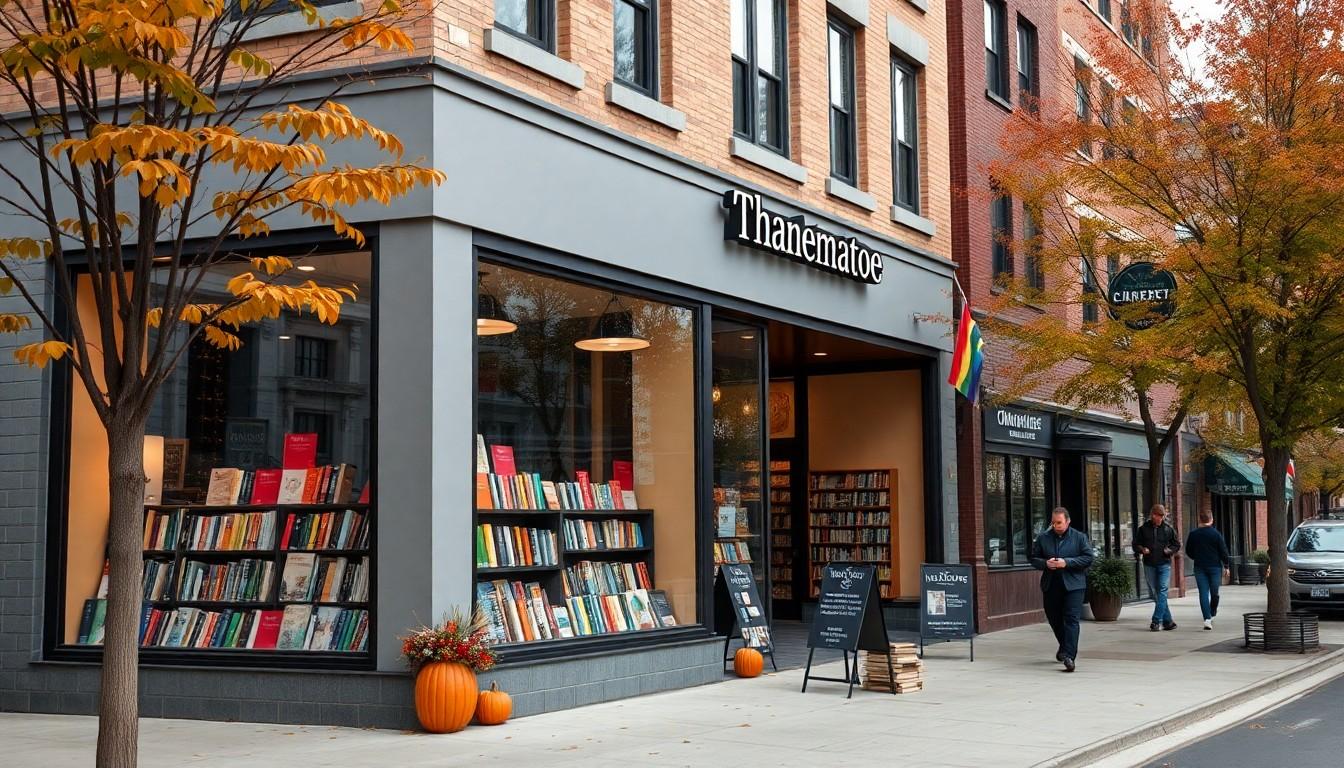
Readers looking for the best queer books for autumn 2026 have an unusually rich season ahead, with intimate memoirs, sharp social essays, ambitious novels and unsettling horror all arriving from October onwards. Electric Literature's latest selection suggests LGBTQ+ publishing remains expansive, inventive and deeply connected to community, history and joy.
Essential Takeaways
- A wide-ranging season: Autumn brings poetry, memoir, literary fiction, essays and horror from LGBTQ+ authors.
- Strong queer and trans representation: Several books explore identity, family, belonging and life beyond conventional expectations.
- History meets the present: Themes include displacement, race, migration, technology, illness and chosen family.
- Plenty for different moods: Expect whisper-quiet poetry, tense psychological fiction and properly creepy autumn reading.
- Dates may change: Check with booksellers and publishers before ordering, as publication schedules can move.
The autumn list opens with poetry, secrecy and transformation
Sanam Sheriff's Hum arrives first, offering an intimate poetry collection shaped by longing, distance and belonging. Its central idea turns on the overlap between the Urdu words for "we" and "I", a fitting starting point for a season so interested in the ways private lives connect to collective experience.
The mood shifts sharply with Samantha Josephs's Carrying, a tense debut about Martha, a trans woman whose carefully controlled domestic life begins to unravel after an impossible pregnancy. It's an intriguing blend of psychological suspense, dark humour and bodily unease, the kind of book that makes an ordinary kitchen feel suddenly threatening.
Melissa King's memoir, The Girl Who Became King, takes a warmer route through identity and self-discovery. Food becomes the language of family history, cultural inheritance and the difficult process of becoming comfortable with a self that others have tried to make smaller.
Essays turn towards home, race and belonging
Zaina Arafat's Our Arab gathers essays shaped by Palestinian displacement, memory and the search for home. The collection considers what it means to belong while carrying histories that are repeatedly contested, and it promises the kind of reflective reading that stays with you long after a single essay ends.
J Vanessa Lyon's Blackness Thirteen Ways similarly combines personal history with cultural criticism. Moving between art, film and family memory, Lyon examines how Blackness and mixed heritage have been represented, concealed or turned into something more comfortable for other people to look at.
These books matter because they resist tidy categories. They aren't simply memoirs or criticism, but hybrid works that use scholarship, autobiography and cultural observation to ask who gets remembered accurately. For readers seeking thoughtful queer books about race and identity, both titles look especially substantial.
Horror finds fresh monsters in screens and systems
Jane Schoenbrun's Public Access Afterworld is the season's obvious late-night choice. The novel links disappearances across decades to a sinister force called the Public Access Afterworld, while following a content moderator who begins noticing disturbing videos connected to a young streamer.
The premise taps into familiar digital anxieties, but its long timeline gives the horror a larger scale. Screens, platforms and online labour become part of the machinery of fear, which feels uncomfortably apt in an age when the internet can seem both intimate and vast.
Sloane Murphy's debut short-story collection offers a different kind of intensity. Set among a group of trans women friends in Chicago, it mixes parties, gossip, romantic chaos and the tender friction of people who know one another far too well. There should be plenty of humour here, but also the emotional messiness that makes friendships feel real.
Domestic life becomes a site of possibility
K Chiucarello's Nanny Nanny follows a highly paid nanny who revisits an old pact with a former school sweetheart: if neither has married or had children by their mid-thirties, they'll have a baby together. It sounds like a neat premise, but the book appears more interested in the awkward, funny and frightening questions underneath it.
Who gets to define family? What counts as readiness? And can a carefully planned future survive contact with desire, regret and changing circumstances? Those questions place the novel alongside a broader wave of queer fiction exploring parenting without treating traditional domestic life as the only available model.
That interest in unconventional households is also visible in the wider 2026 publishing landscape. Recent and forthcoming titles on the same list explore cohabitation, chosen family, intergenerational living and friendships that become more sustaining than biological ties. The message is clear: home can be built, negotiated and reinvented.
How to choose your next queer autumn read
If you're after poetry with a hushed, lyrical atmosphere, Hum is the natural starting point. Readers who prefer emotional suspense may want to try Carrying, while Public Access Afterworld should appeal to anyone who likes their autumn reading eerie, conspiratorial and just a little screen-haunted.
For thoughtful nonfiction, Our Arab and Blackness Thirteen Ways offer different but complementary approaches to memory, history and belonging. Meanwhile, The Girl Who Became King looks likely to suit readers who enjoy memoirs where food carries as much emotional weight as family conversation.
A practical tip is to check the format before pre-ordering. Poetry, hybrid memoir and essay collections can be particularly rewarding in print, where you can pause, underline and return to a passage. If you're buying gifts, though, a digital edition may be easier for readers who like to carry several books at once.
Why this list feels bigger than a shopping guide
Electric Literature's selection is valuable not just because it rounds up new releases, but because it shows how varied queer publishing has become. The books move between pleasure and grief, history and speculation, communal life and private fear. There isn't one approved version of a queer story, and thankfully, there doesn't need to be.
The list also carries a note of defiance. At a time when LGBTQ+ books can become targets for censorship and political hostility, publishing new work remains a way of insisting that these lives, arguments and imaginings belong in the centre of literary culture.
That makes the autumn schedule feel less like a stack of releases and more like an invitation. Choose the book that unsettles you, consoles you or makes you laugh on public transport. Better still, choose one for yourself and one for someone who needs the reminder that queer stories are still here, still changing and still impossible to contain.
It's a strong autumn for queer reading, so pick the mood that suits you and keep a little room on the shelf.
Source Reference Map
Story idea inspired by: [1]
Sources by paragraph:
- Paragraph 1: [2]
- Paragraph 2: [2]
- Paragraph 3: [2]
- Paragraph 4: [2]
- Paragraph 5: [2]
- Paragraph 6: [2]
- Paragraph 7: [2]
- Paragraph 8: [2]
- Paragraph 9: [2]
- Paragraph 10: [2]
- Paragraph 11: [2]
- Paragraph 12: [2]
- Paragraph 13: [2]
- Paragraph 14: [2]
- Paragraph 15: [2]
- Paragraph 16: [2]
- Paragraph 17: [2]
- Paragraph 18: [2]