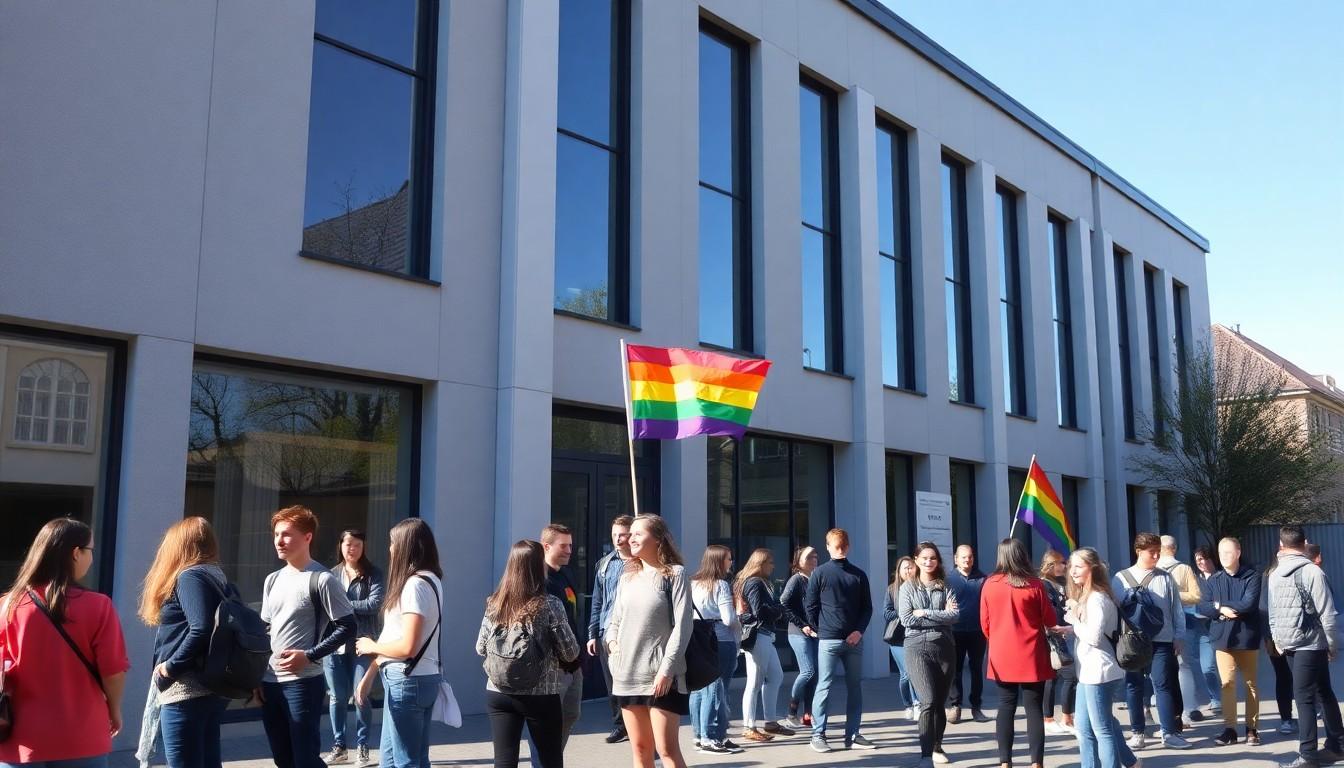
Schools across Amsterdam are turning Purple Friday into a visible show of support for LGBTQIA+ inclusion, with at least 249 primary, secondary and vocational institutions taking part. The Dutch campaign encourages pupils and staff to wear purple and create space for everyone to feel safe, recognised and able to be themselves.
Essential Takeaways
- At least 249 schools involved: Amsterdam's participating schools span primary, secondary and vocational education.
- Purple is the symbol: Pupils and staff are encouraged to wear purple as a public sign of solidarity.
- Teaching packs sold out: Secondary-school materials reportedly disappeared quickly, although older resources can still be used.
- National participation hit a record: More than 3,000 schools across the Netherlands joined this year's campaign.
- Stable local interest: A small dip in requested materials doesn't necessarily mean fewer Amsterdam schools took part.
Amsterdam schools make inclusion visible
Purple Friday turns an ordinary school day into something instantly recognisable. A violet jumper, badge or pair of socks becomes a simple visual signal that LGBTQIA+ pupils and staff should feel welcome rather than forced to hide parts of themselves.
At least 249 Amsterdam schools joined the initiative, according to AT5. The participating institutions include 85 primary schools, 47 secondary schools and 17 vocational colleges that requested campaign teaching materials. That broad spread matters because acceptance is being discussed across different ages and stages of education. [3], [6]
The campaign's central idea is deliberately accessible. Schools can combine purple clothing with classroom conversations, activities and lessons about sexual and gender diversity, creating something more meaningful than a one-day dress code. [7]
Why the numbers don't tell the whole story
The number of Amsterdam schools requesting materials was two lower than last year. On paper, that sounds like a retreat, but the COC says it shouldn't automatically be read that way.
Resources for secondary schools ran out quickly, leaving some institutions to reuse previous editions or organise their own Purple Friday activities. In other words, a school without a new pack may still be fully involved. The real level of participation is therefore likely to be wider than the order figures suggest. [2], [6]
That's a useful reminder when reading campaign statistics. A box of printed materials is easy to count, while a teacher-led discussion, a student group event or a purple accessory bought locally is much harder to capture.
A record-breaking national campaign
Amsterdam's participation sits within a much bigger Dutch movement. Nationally, 3,130 schools took part, setting a new record for Purple Friday. The figure covers schools across the Netherlands and shows that the campaign has moved well beyond a small collection of specialist events. [4], [5]
The national result also puts Amsterdam's numbers in perspective. Local participation remains substantial and broadly consistent with previous years, while the country as a whole has reached its strongest level yet. That combination suggests the campaign is holding its ground in the capital as interest grows elsewhere. [2], [6]
For pupils, that wider visibility can make a difference. Seeing schools in different towns take part may help inclusion feel like a normal part of education rather than an isolated gesture.
What schools can do without a teaching pack
Schools don't need a brand-new resource bundle to make the day useful. Staff can revisit last year's materials, build a short lesson around respectful language, or invite pupils to discuss how schools can become safer and more welcoming.
The most effective activities are likely to be age-appropriate and practical. Younger children might explore friendship, fairness and belonging, while older pupils could discuss stereotypes, identity and how to respond when someone is excluded. The point isn't to turn every classroom into a lecture, but to open a thoughtful conversation. [6], [7]
Schools should also consider what happens after the purple clothes come off. Clear anti-bullying policies, trusted staff contacts and ongoing attention to inclusive language can give the campaign a longer life than a single Friday.
A small gesture with a wider message
Purple Friday works partly because it makes solidarity visible without demanding an elaborate production. A corridor filled with purple, or a quiet conversation between a teacher and pupil, can send a reassuring message: you belong here.
The record national turnout suggests that many schools see value in making that message public. Amsterdam's steady participation shows that local engagement remains strong too, even when supply problems make the raw figures look slightly softer. [3], [4]
For schools, the next step is keeping the conversation alive. One colourful day can open the door, but everyday behaviour is what makes acceptance feel real.
It's a small splash of colour with a serious message: everyone deserves to feel at home at school.
Source Reference Map
Story idea inspired by: [1]
Sources by paragraph: