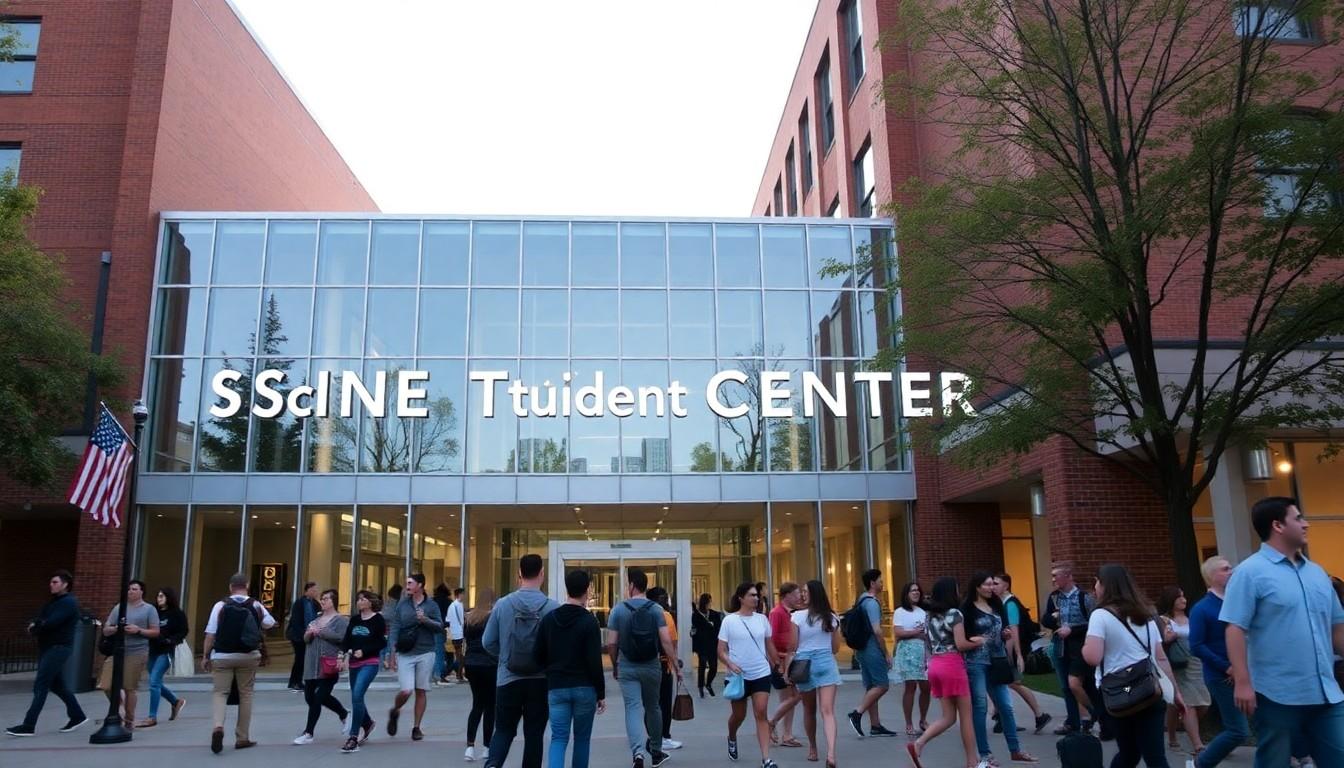
Students at Syracuse University are using LGBTQ+ History Month to connect the past with present-day life, while a 25th-anniversary milestone for the LGBTQ+ Resource Center highlights the value of welcoming campus spaces during a tense national debate.
Essential Takeaways
- History meets daily life: Students are discussing LGBTQ+ history alongside current questions about identity, rights and belonging.
- A milestone year: Syracuse University's LGBTQ+ Resource Center is marking 25 years of supporting students.
- National debates feel personal: The Trevor Project says nine in 10 LGBTQ+ young people surveyed experienced stress or anxiety because of anti-LGBTQ+ laws, policies or debates.
- Community can be restorative: Student groups say events aren't only about serious discussion. They also offer friendship, laughter and a welcome break from the news cycle.
Why LGBTQ+ History Month feels especially relevant now
A university gathering can look simple from the outside: students chatting, organisers sharing information and a few familiar rainbow-coloured details brightening the room. But at Syracuse, LGBTQ+ History Month has become a chance to ask a bigger question: what does it mean to belong today?
Students say the answer includes learning about the people and movements that came before them, while also recognising the pressure many LGBTQ+ people feel in the present. Syracuse's LGBTQ+ History Month programming reflects that blend of reflection, education and connection, according to the university's event information and student coverage. [2], [3]
That balance matters because history can otherwise feel safely distant. For students living through arguments about gender identity, healthcare and legal protections, the subject isn't just academic. It's close, sometimes uncomfortable and often deeply personal.
A 25-year-old resource still has a practical role
The LGBTQ+ Resource Center's 25th anniversary gives Syracuse students a reason to celebrate, but it also underlines how campus support develops over time. A centre like this isn't merely a noticeboard for events. It can be a place to find advice, meet peers, ask questions or simply sit somewhere that feels comfortable.
Syracuse describes its wider campus approach as focused on belonging, access and welcoming spaces. That infrastructure matters in small, everyday ways, from inclusive programming to the reassuring feeling that students don't have to explain or defend every part of themselves before joining in. [5], [6]
Students interviewed at the gathering described Syracuse as welcoming, even while acknowledging that the wider political climate can feel far less so. That contrast is telling. A supportive campus can't settle every national dispute, but it can give people somewhere steady to stand.
The national debate is affecting young people directly
The Trevor Project's survey found that nine in 10 LGBTQ+ young people said anti-LGBTQ+ laws, policies and debates had caused them stress or anxiety. That figure helps explain why conversations about belonging can carry such emotional weight, particularly for transgender and nonbinary students.
For some students, the pressure is not an abstract headline. It can shape how safe they feel, how openly they identify themselves and how closely they follow political news. The Trevor Project's analysis links policy debates with the wellbeing concerns reported by LGBTQ+ young people, making the need for trusted support especially clear. [4]
Still, support doesn't have to mean turning every event into a formal discussion. A quiet conversation with a friend, an inviting student society or a couple of hours away from the news can all make a difference. Sometimes a room where people can relax is doing more work than it appears.
Fun matters too, not just serious discussion
Syracuse's Pride Union is helping to make LGBTQ+ History Month feel lived-in rather than solemn. Alongside talks and historical reflection, student events offer a chance to socialise, laugh and enjoy ordinary university life without carrying the entire national conversation on their shoulders.
That lighter side isn't a distraction from advocacy. It can be part of it. When students have space to be playful and comfortable, they build relationships that make harder conversations easier to navigate later.
The university's LGBTQ+ programming similarly presents history as something to explore collectively, rather than a fixed lesson delivered from a podium. That approach gives students room to connect archives and personal experience, while keeping the atmosphere open and human. [2], [3]
How welcoming spaces make a difference
For students looking for LGBTQ+ support at university, the most useful starting points are often practical. Look for the LGBTQ+ Resource Center, Pride or identity-based student groups, peer networks and event calendars. You don't need to arrive with a polished question. These spaces are there for conversation as much as information.
It's also worth checking what each group offers. One event might focus on history or policy, while another is simply a social evening with friendly faces and a low-pressure atmosphere. Syracuse's guidance on belonging and accessible spaces points students towards a broader culture of inclusion across campus. [5], [7]
The bigger lesson is that community rarely arrives as one grand gesture. It grows through repeated encounters: someone remembering your name, a club making room for you or an event offering two genuinely carefree hours. In a difficult climate, those small moments can feel quietly powerful.
A welcoming campus can't change the whole world, but it can change how supported a student feels while moving through it.
Source Reference Map
Story idea inspired by: [1]
Sources by paragraph: