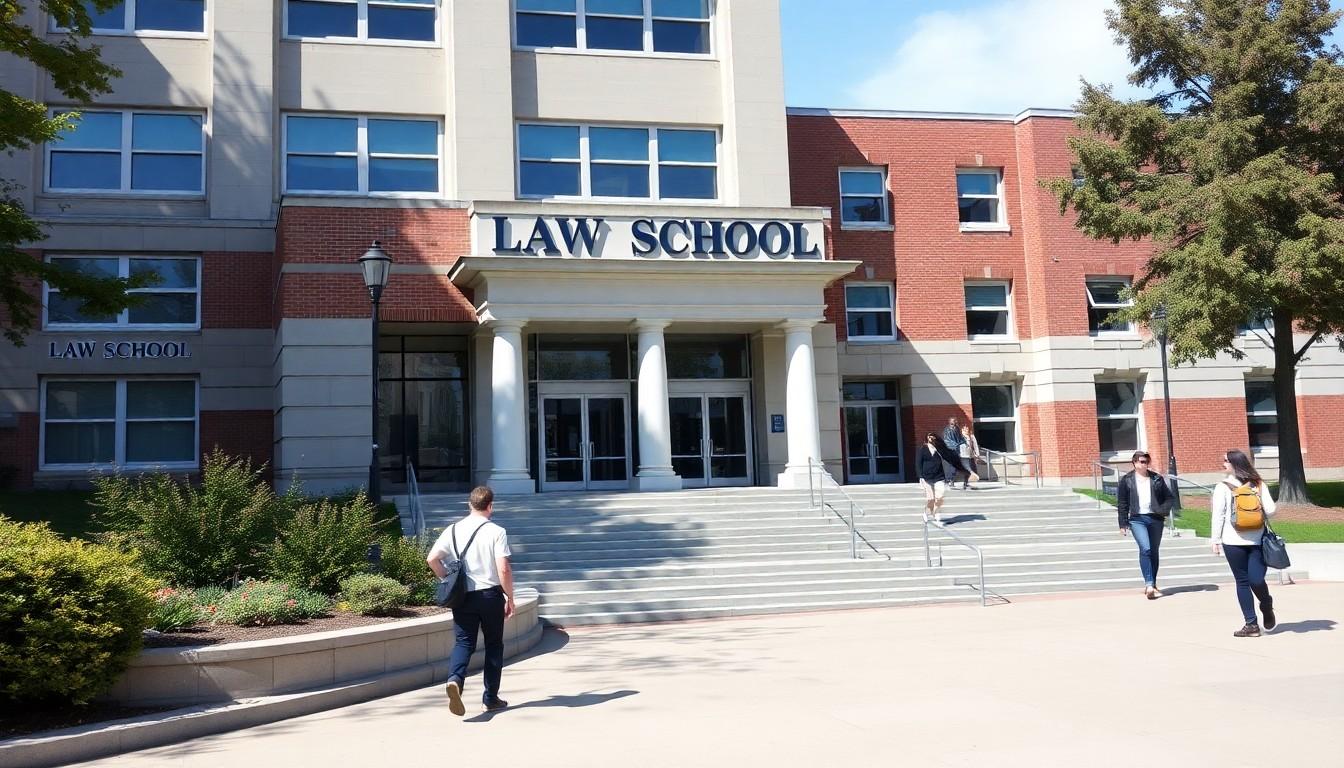
Students at Delhi’s National Law University have secured official recognition for a queer alliance after allegations that a classroom discussion about same-sex marriage included degrading comparisons. The development matters beyond one campus, highlighting how student groups, university leadership and academic freedom collide when sensitive legal questions are handled without care.
Essential Takeaways
- Official recognition: DSQA has reportedly been formally recognised by the university after the controversy.
- Classroom allegations: Students said an assistant professor made comments comparing same-sex marriage with marriage to animals.
- Leadership response: The vice-chancellor was accused of defending the remarks as part of expressing differing views.
- Wider lesson: Universities need room for debate, but that freedom doesn't remove the need for dignity and responsible teaching.
- Global pattern: Similar disputes elsewhere show that student protections and institutional transparency can quickly become major flashpoints.
A student alliance wins recognition amid controversy
The immediate story is striking because recognition arrived alongside a dispute over how queer identities were discussed in class. DSQA, the queer student alliance at the university, said it had received official recognition after raising concerns about comments made during teaching on the Supreme Court's same-sex marriage ruling.
According to Bar and Bench, students alleged that Assistant Professor Dr A Nageshwara Rao made derogatory remarks in two classes on 29 September. The reported comments suggested that recognising same-sex relationships would eventually lead to demands to marry pets or other animals, language students described as dehumanising. The accusations have not been presented here as a court finding, but they underline how quickly a legal example can become personally hurtful when framed carelessly.
Why the classroom context matters
The lesson concerned Supriyo Chakraborty v. Union of India, the Supreme Court judgment that declined to recognise same-sex marriage. That is a legitimate and important subject for legal education, but the way it is presented matters just as much as the case itself. A classroom should be able to examine competing arguments without treating a group of students as a punchline.
Bar and Bench reported that DSQA also said the vice-chancellor visited a class on 1 October and defended the comments by referring to teachers' responsibility to express different opinions. The account raises a familiar question across universities: where does academic freedom end and harmful stereotyping begin? Other campus disputes, including those reported by KESQ and Delaware Public Media, show that institutional responses often become as important as the original remarks.
Recognition can change the balance of power
A formally recognised student organisation usually has a clearer route to rooms, communications, events and university dialogue. That practical status may sound administrative, but it can make a major difference when students are trying to raise concerns collectively rather than individually. It also gives university leaders a visible structure through which to engage.
The value of queer alliances isn't limited to campaigning. They can offer peer support, organise educational events and create a calmer place for students who may feel isolated. LGBTQ Nation has previously reported on schools allowing gay-straight alliances and related student expression, a reminder that visibility can be both reassuring and politically contested.
Academic freedom needs a human boundary
Universities shouldn't become spaces where only approved opinions may be discussed. Legal education, especially, depends on testing arguments and examining uncomfortable judgments. But disagreement doesn't require analogies that make students feel less than human, and intellectual challenge is stronger when it is precise rather than provocative for its own sake.
Comparable controversies elsewhere show the risks of vague or defensive responses. Purdue University Northwest faced calls for a chancellor's resignation after alleged racist remarks, while a University of North Texas case reported by the Alliance Defending Freedom involved a professor's dispute over a joke about microaggressions. These cases differ in detail, but they share a lesson: credibility depends on transparent fact-finding, clear standards and a response that recognises the people affected.
What universities should do next
A sensible response would include an impartial inquiry, a clear explanation of the process and protection against retaliation for students who raise concerns. Staff should also receive guidance on teaching sexuality, gender and constitutional rights without turning marginalised groups into illustrative targets. Recognition of DSQA is a constructive step, but it shouldn't be treated as a substitute for addressing the underlying allegations.
The university's response will be watched not only by queer students, but by anyone wondering whether campus policies mean anything when controversy arrives. A quiet, fair process may not produce the loudest headline, but it is usually the response that builds trust. For students, the practical takeaway is simple: keep records, use recognised channels and seek support from trusted organisations when a classroom dispute becomes personal.
A university can host difficult arguments without making students carry the emotional cost alone.
Source Reference Map
Story idea inspired by: [1]
Sources by paragraph: