Cyclists are turning to inclusive riding groups and safer touring networks as more people ask who truly feels welcome outdoors. Kevin Belanger, a trail planner and touring enthusiast, shares why representation, thoughtful language and practical support matter on routes ranging from local paths to America’s ambitious Great American Rail Trail.
Essential Takeaways
- Representation matters: More visible LGBTQ+ cyclists can help challenge assumptions about who belongs outdoors.
- Safety is personal: Rural travel can feel daunting when past experiences or public attitudes shape expectations.
- Affinity groups help: Dedicated groups can offer connection and confidence without shutting anyone else out.
- Small changes count: Inclusive profile options and respectful language can make cycling networks feel more welcoming.
- The trail is growing: The Great American Rail Trail is being developed as a cross-country route for walking and cycling.
A trail can feel different depending on who you are
A long-distance cycle route promises freedom, fresh air and that satisfying quiet that arrives once traffic fades away. But for LGBTQ+ riders, the question isn't only whether a trail is scenic or well surfaced. It's also whether the communities along it feel safe, open and prepared to welcome different identities.
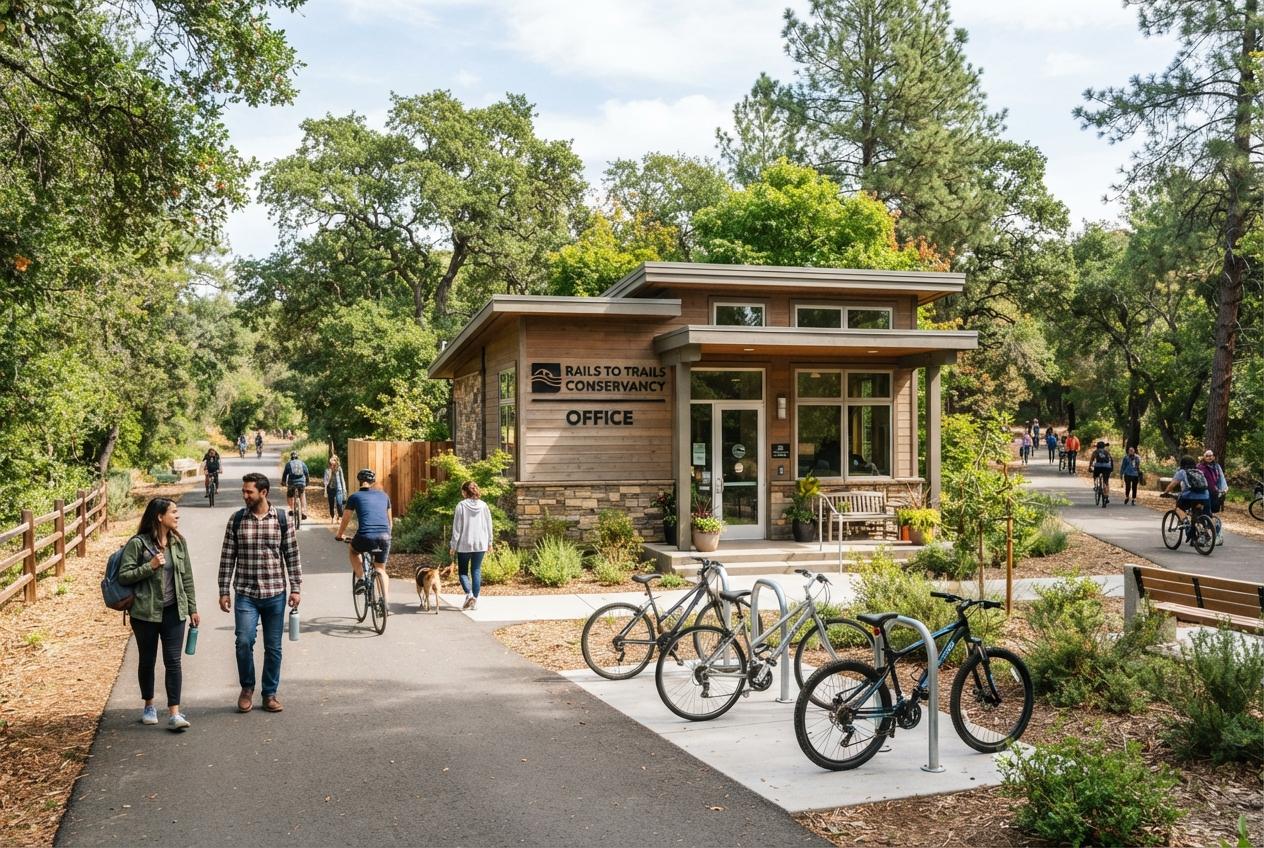
That's the perspective Kevin Belanger brings to the conversation. His work with Rails to Trails Conservancy connects him to trail planning and the Great American Rail Trail, while his own touring experience gives the discussion a more personal edge. According to Rails to Trails Conservancy, the organisation works to develop and support trail networks that connect communities across the United States.
Kevin's story is a useful reminder that outdoor access isn't just about infrastructure. A beautifully designed path can still feel complicated if riders don't know how they'll be received at a hostel, campsite, bike shop or spare room.
Why past events still shape rural travel
Kevin came of age during a period when the murder of Matthew Shepard had a profound impact on public awareness of anti-gay violence. For him, that event coloured his early view of less urban and less diverse places, making a first work trip to Wyoming understandably nerve-racking.
The trip eventually brought a more encouraging experience. Meeting kind and welcoming people helped him separate one frightening national story from the individuals he encountered in real life. That shift matters, but it doesn't erase the instinct to stay alert. For many queer travellers, confidence is built gradually, one good interaction at a time.
His experience also highlights the complexity of being read differently in different settings. Kevin says he doesn't always present as gay and can benefit from passing, while his drag persona, Whisky Ginger, offers a much more visibly expressive side of his identity. Moving between those worlds has allowed him to hear conversations he might otherwise miss, giving him an unusual view of how straight male groups sometimes talk when they think nobody queer is listening.
Cycling's welcome is real, but it isn't finished
The cycling community can be generous, sociable and wonderfully open-minded. Kevin describes it as largely loving and diverse, though he also sees plenty of room for greater understanding. That balanced view is important: inclusion isn't a claim that every problem has vanished, but a commitment to keep improving.
Rails to Trails Conservancy's work shows how cycling culture is increasingly tied to broader questions about public space and community connection. Its trail-building resources focus on the practical side of creating routes, but the social side matters just as much. A path can connect towns geographically while the people using it still feel isolated.
That is why affinity groups have become more visible across outdoor recreation. LGBTQ+ riders, people of colour and other underrepresented communities can meet around shared interests, swap advice and build confidence. These groups aren't about retreating from wider cycling culture. They can be a launch pad into it, offering the reassurance that comes from knowing others understand the same concerns.
What inclusive touring networks can do better
Warmshowers, a hospitality network for cycle tourists, is one area where small design decisions can have an outsized effect. Clearer language around gender, along with profile details showing whether hosts welcome LGBTQ+ and BIPOC guests, could help travellers make informed choices before setting off.
That may sound like a minor technology update, but it affects the emotional work of travelling. Riders shouldn't have to send awkward messages or guess whether a host will respect their identity after a long day in the saddle. Better information creates a little more control, and sometimes that's exactly what makes a challenging journey feel possible.
The Great American Rail Trail adds another layer to this conversation. As the cross-country route develops, the experience won't be defined only by its scenery or mileage. Its success will also depend on how welcoming the surrounding network becomes, from trail towns and accommodation providers to local cycling groups.
Practical ways to make cycling more welcoming
You don't need to run a national trail project to help. Start with language that doesn't assume every rider has the same partner, family structure or gender identity. If you're unsure how to respond in a particular situation, a little research is better than making someone else do all the explaining.
Organisers and hosts can also make expectations clearer. Inclusive policies should be visible, specific and backed by action, rather than reduced to vague promises. A respectful welcome, a well-chosen question and a willingness to apologise can matter more than perfect wording.
For riders, affinity groups are worth exploring if you're looking for company, practical advice or simply a place where the conversation feels easy. And for everyone else, the best approach is straightforward: listen, keep learning and accept that a mistake doesn't have to end the conversation.
The Great American Rail Trail is still taking shape, and so is the wider culture around long-distance cycling. That makes this an opportunity to build inclusion into the journey from the beginning, rather than trying to retrofit it later.
It's a small change in attitude that can make a very long ride feel more open to everyone.
Source Reference Map
Story idea inspired by: [1]
Sources by paragraph:
- Paragraph 1: [2], [4]
- Paragraph 2: [3], [5]
- Paragraph 3: [4], [6]
- Paragraph 4: [2], [3]
- Paragraph 5: [5], [6]
- Paragraph 6: [2], [4]
- Paragraph 7: [3], [5]
- Paragraph 8: [4], [6]
- Paragraph 9: [2], [3]
- Paragraph 10: [4], [5]
- Paragraph 11: [3], [6]
- Paragraph 12: [2], [4]
- Paragraph 13: [3], [5]
- Paragraph 14: [4], [6]
- Paragraph 15: [2], [3]
- Paragraph 16: [4], [5]