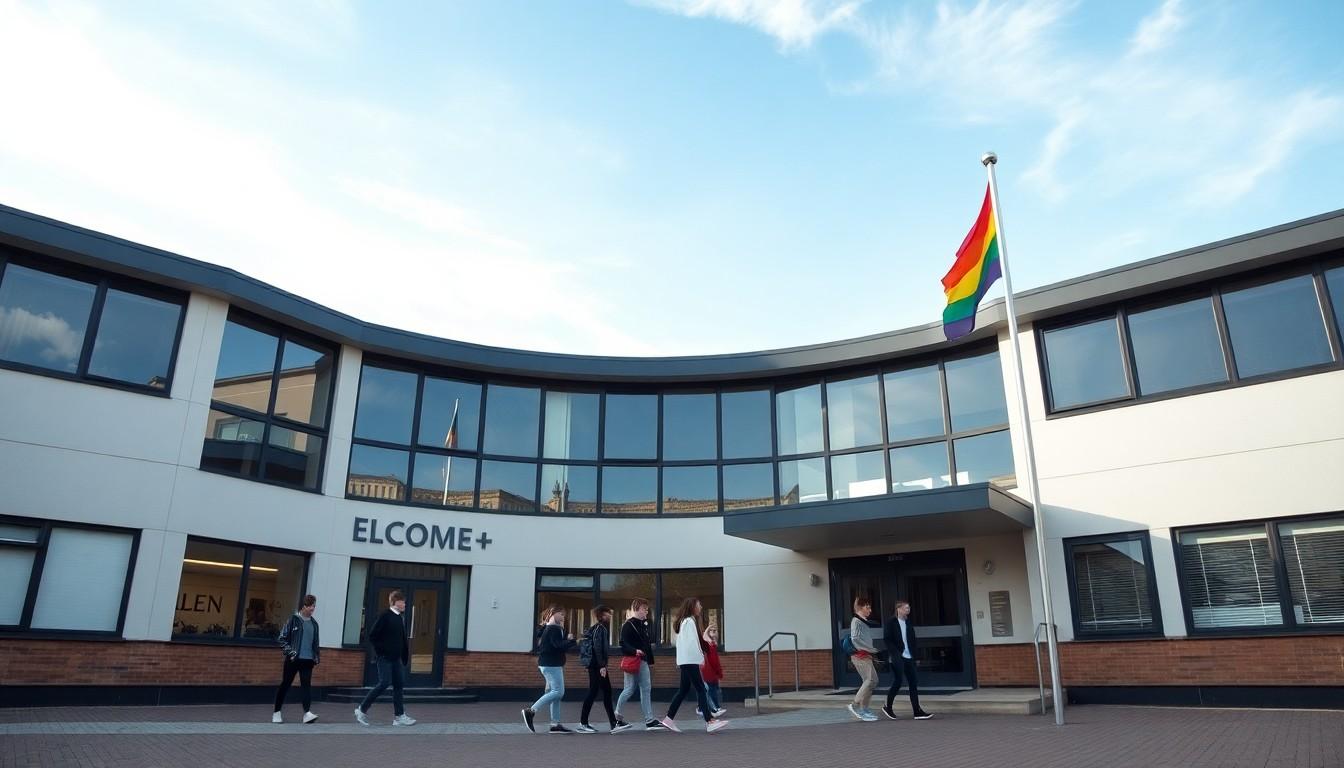
Dutch pupils are becoming less accepting of LGBTQI+ people, just as a major EU court ruling has drawn a firmer line around equality, visibility and children’s rights. The message for schools is clear: protecting children shouldn’t mean making LGBTQI+ lives disappear from classrooms, books or public life.
Essential Takeaways
- Acceptance is falling: Positive attitudes towards LGBTQI+ people have dropped sharply among Dutch adolescents.
- Visibility affects safety: Fewer pupils now feel LGBTQI+ classmates can express themselves openly at school.
- The court has drawn a boundary: Child protection cannot justify blanket restrictions on LGBTQI+ representation.
- Rights work together: Equality, identity, information and participation all form part of a child’s best interests.
- Schools still have work to do: Legal principles need to be matched with inclusive teaching, staff training and firm action against bullying.
Dutch pupils are seeing less acceptance
The figures are stark. According to the Trimbos Institute’s HBSC research, positive attitudes towards LGBTQI+ people among Dutch schoolchildren have fallen from 40% to 22% among boys, and from 78% to 51% among girls since 2021. The change suggests that prejudice isn’t merely lingering at the edges of school life. It’s becoming more visible in pupils’ everyday attitudes. ([2], [5])
The sense of openness has weakened, too. The proportion of pupils who believe LGBTQI+ classmates are free to express themselves at school has dropped from 60% to 45%. For a teenager deciding whether to talk about a crush, a changing identity or simply who they are, that missing sense of safety can feel enormous. ([2], [5])
What the EU ruling changes
The Court of Justice of the European Union’s ruling on Hungary concerned a 2021 law restricting content about LGBTQI+ identities that could be accessed by minors. The Hungarian government presented the measure as a child-protection policy, while critics argued that it stigmatised LGBTQI+ people and pushed them out of public life. ([3], [4])
The court rejected that logic and found a standalone breach of the EU’s founding values, including human dignity, equality and respect for human rights. Human Rights Watch described the decision as a significant blow to Hungary’s anti-LGBTQ+ legislation, while IGLYO highlighted its wider relevance for access to information and representation. ([4], [6])
That doesn’t mean every piece of content is automatically suitable for every age. Governments and schools can still address genuinely harmful or inappropriate material. The important distinction is that LGBTQI+ representation cannot be treated as harmful simply because LGBTQI+ people are present. ([3], [6])
Visibility is part of growing up
For LGBTQI+ children, visibility can provide more than reassurance. It can offer vocabulary, context and the quiet relief of realising they’re not alone. A book, lesson or school policy that acknowledges different identities may be the first place a young person sees their experience treated as ordinary rather than alarming. ([6])
Children’s rights reinforce that point. The UN Convention on the Rights of the Child protects children from discrimination, recognises their right to be heard and safeguards their freedom to seek and receive information. It also protects the development of identity, which matters greatly for children questioning or expressing their sexual orientation or gender identity. ([3], [6])
The practical lesson is simple but often missed: children’s best interests don’t sit on one side of a debate about equality. They include dignity, autonomy, development and protection from stigma. Removing LGBTQI+ people from educational or cultural spaces may reduce visibility, but it doesn’t remove the questions children are already asking. ([3], [6])
A legal win won’t make a school feel safe
The court’s decision creates a stronger legal foundation, but it can’t change a corridor atmosphere by itself. When fewer than half of Dutch pupils believe gay or lesbian classmates can speak openly about their orientation, schools need more than a policy statement pinned to a website. They need consistent responses to slurs, bullying and exclusion. ([2], [5])
That means age-appropriate lessons, trained staff and clear routes for reporting problems. It also means listening to pupils rather than assuming adults already understand what safety looks like. IGLYO’s analysis stresses the importance of access to information and participation, while the Dutch research shows why those principles matter in daily school life. ([6], [2])
The next test is what happens in classrooms
Hungary’s response also shows that the political argument isn’t over. Euronews reported that the country moved to amend its controversial child-protection law after the EU court ruling, underlining how legal judgments can trigger wider changes in national policy. ([7])
For Dutch schools, the challenge is less about waiting for another ruling and more about acting on the rights already recognised. Child protection and LGBTQI+ equality aren’t rival projects. A genuinely protective school is one where children can find accurate information, keep their dignity and express themselves without being turned into a problem.
It's a small but important distinction: protecting children should never require hiding the people they may grow up to be.
Source Reference Map
Story idea inspired by: [1]
Sources by paragraph: