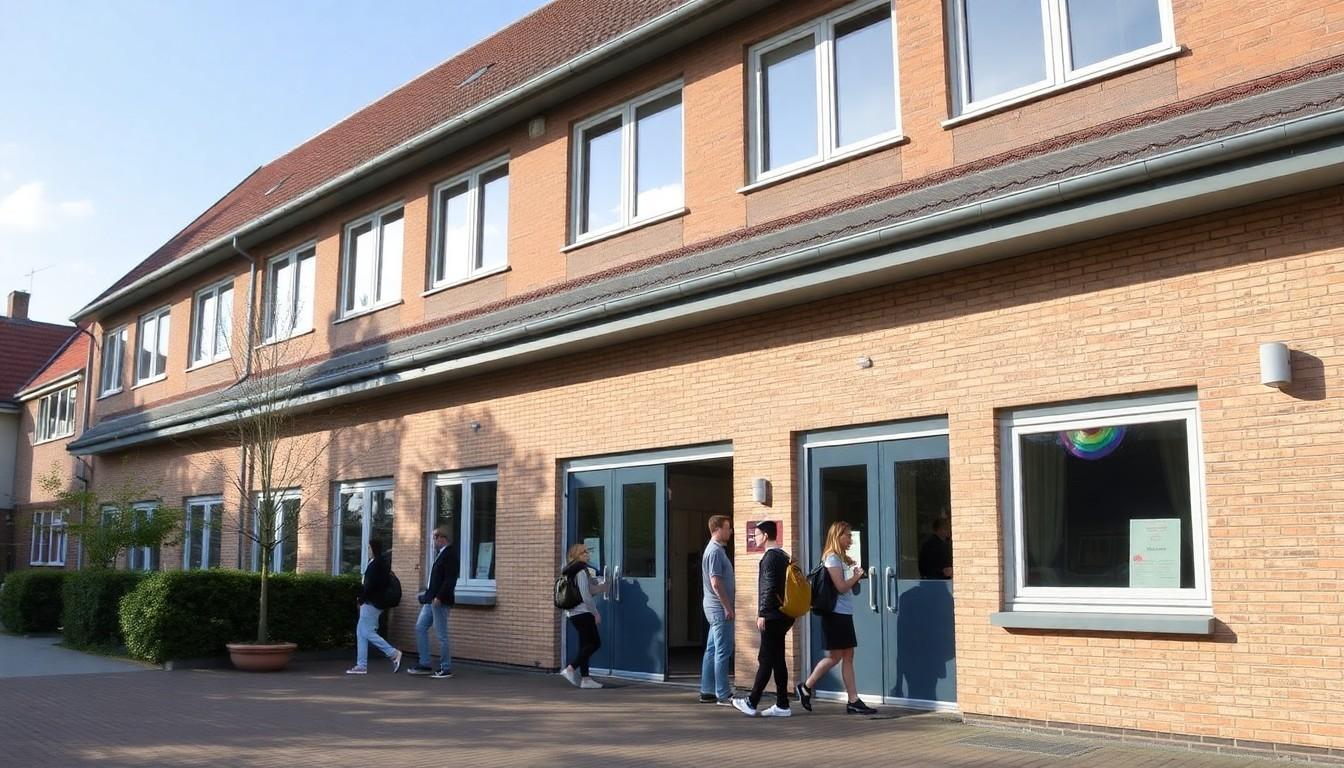
Teachers and pupils across the Netherlands are finding new ways to make LGBT+ identities visible at school, even as acceptance remains uneven. In Hulst, history teacher Eva Bryssinck is drawing on her own experience as a bisexual former pupil to support students who may otherwise feel unseen, isolated or unsure where they belong.
Essential takeaways
- Visibility can be life-changing: A familiar teacher or inclusive activity may help a pupil feel less alone.
- Paarse Vrijdag remains significant: Schools use the annual event to discuss LGBT+ acceptance and challenge silence.
- Progress isn't uniform: Some pupils and staff are supportive, while others face resistance from families or communities.
- Small gestures matter: Wearing purple, displaying posters and offering a safe conversation can all signal welcome.
- School culture is broader than one event: Lasting inclusion depends on teaching, pastoral care and everyday language.
One teacher is making space for pupils like her younger self
For Eva Bryssinck, LGBT+ visibility at school isn't an abstract campaign. It's personal, and sometimes painfully so. As a bisexual history teacher at Reynaertcollege in Hulst, she remembers being a pupil there when Pride and Paarse Vrijdag received little or no attention.
That absence delayed her own understanding of her sexuality. She says she had long noticed an attraction to women, but assumed finding women beautiful was simply something everyone experienced. Only conversations with heterosexual friends after secondary school helped her recognise that her feelings were different.
The detail is striking because it shows how easily silence can be mistaken for normality. When nobody talks about LGBT+ lives, young people may not see themselves reflected in school, family conversations or the wider community.
Why Paarse Vrijdag has become a visible symbol
Paarse Vrijdag, or Purple Friday, gives schools a straightforward way to show support for LGBT+ pupils. In practice, that can mean purple clothing, posters, classroom discussions and activities designed to encourage respect and recognition.
National education coverage has reported that many secondary schools use the day to draw attention to LGBT+ acceptance. Yet the event has also become a flashpoint in some schools, with debates about whether such activities are educational, political or inappropriate.
That tension matters. For supporters, the day is about making pupils feel safe and represented. For critics, the purple shirts and posters can appear too public or ideological. But as Bryssinck's experience suggests, visibility isn't an attempt to persuade pupils to adopt an identity. It's a way of acknowledging that LGBT+ pupils and families are already present.
The difficult work behind a cheerful school campaign
At first glance, purple clothing and colourful posters sound harmless. Behind them, though, teachers can face uncomfortable pushback. Bryssinck has described parents accusing her of indoctrinating children and presenting homosexuality as propaganda.
That criticism can make inclusion exhausting. Teachers are then required to explain repeatedly why a basic gesture of recognition is necessary, while also managing lessons, pastoral responsibilities and the emotional weight of hostile responses.
Reporting from NOS has highlighted wider problems surrounding Paarse Vrijdag in secondary schools, including disputes and pressure around participation. These incidents underline an awkward truth: a school can promote tolerance publicly while still leaving individual teachers to absorb much of the conflict privately.
A regional issue, but not only a regional one
Bryssinck says LGBT+ topics can feel almost taboo in her part of Zeeland, with little discussion in staff rooms or at home. She has sometimes wondered whether it would be easier to stop trying, particularly when explaining the importance of visibility becomes yet another burden.
Still, she doesn't want to leave the region. Her approach is quietly practical: if change is needed, she can be part of it. That doesn't mean every conversation succeeds, but it does mean pupils encounter an adult who is willing to be open.
The Reynaertcollege's own education information presents the school as a place focused on pupils' development and learning. That broader mission is important because inclusion works best when it's woven into ordinary school life, rather than confined to one annual date.
What schools and families can do next
A supportive school doesn't need to stage a huge campaign every week. It can start with accurate teaching materials, clear anti-bullying rules, staff training and a trusted adult pupils can approach without fear of being dismissed.
Families can help too. Asking open questions, avoiding assumptions about future partners and treating LGBT+ identities as ordinary parts of life can make home feel safer. For a young person still working things out, that calm response may matter more than a perfectly worded speech.
Paarse Vrijdag may occasionally be postponed by school timetables or other commitments, but that doesn't have to end the conversation. Reynaertcollege's plans to mark it later show how a delayed event can still retain its purpose. One pupil asking whether a friend can join LGBT+ initiatives is a small moment, but it hints at the community Bryssinck hopes will grow.
A purple shirt won't solve every problem, but it can tell one uncertain pupil that someone sees them.
Source Reference Map
Story idea inspired by: [1]
Sources by paragraph: