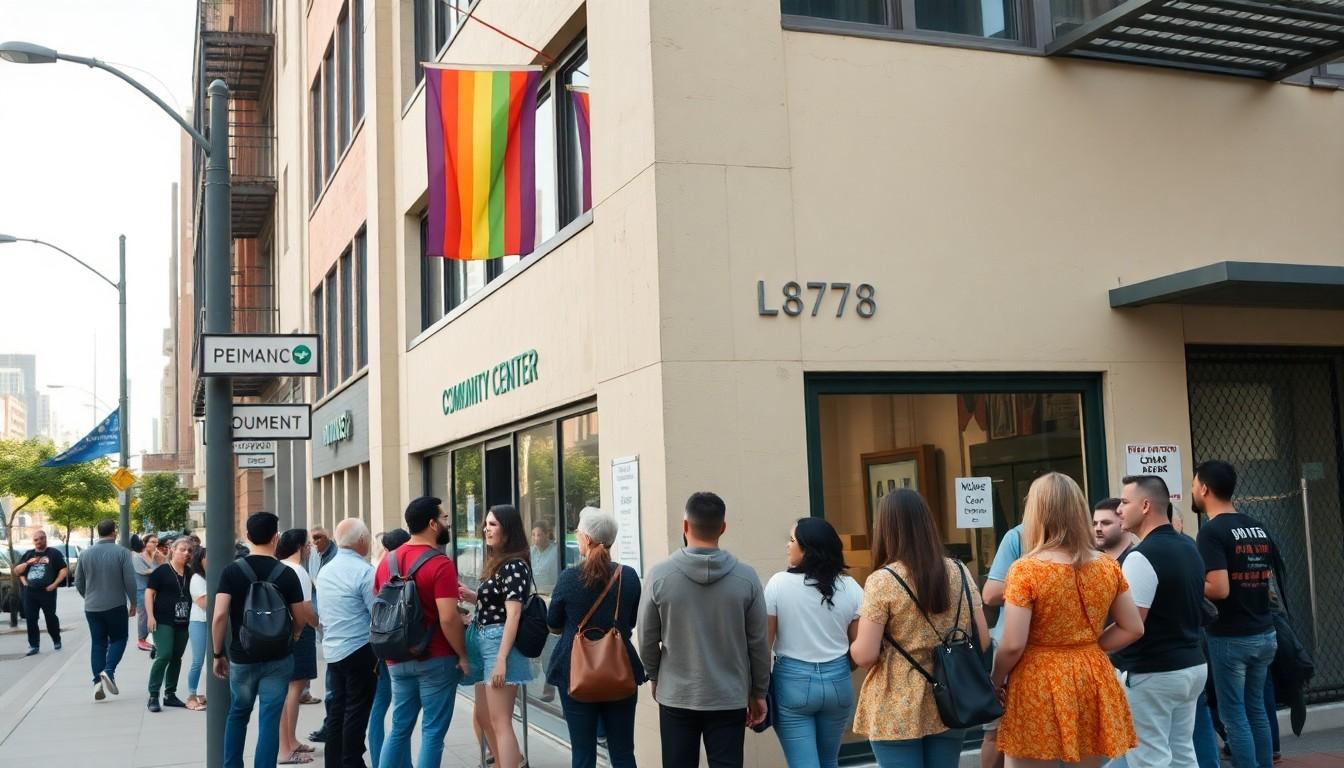
Young Latinx LGBTQ+ people are navigating overlapping pressures, from racial discrimination to anti-LGBTQ+ hostility, while building vibrant communities of joy and support. Research and Pride celebrations across the Americas show why intersectional identity matters, and how listening, advocacy and safer spaces can make a meaningful difference.
Essential Takeaways
- Compounded discrimination: Young people can face prejudice linked to both race and LGBTQ+ identity.
- Mental-health impact: Anti-LGBTQ+ rhetoric, policies and bullying can contribute to stress and anxiety.
- Joy matters: Pride events, film festivals and cultural celebrations create belonging and visibility.
- Support starts locally: Listening, advocacy and safer community spaces can help young people feel protected.
- Identity is expansive: Latinx and queer experiences can encompass language, family, heritage and chosen community.
Identity can hold more than one truth
Being Latinx and queer isn't a contradiction or a problem to solve. It's a layered identity shaped by family, language, geography, sexuality and gender, often with each element influencing the others.
That richness exists alongside real pressure. Research from The Trevor Project found that many LGBTQ+ young people of colour who experienced racial discrimination also faced discrimination tied to sexual orientation or gender identity. The result can feel less like facing one challenge at a time and more like carrying two conversations into every room.
The Centre for American Progress has similarly documented heightened discrimination among LGBTQ+ people of colour, including barriers affecting safety, healthcare and everyday life. These aren't abstract statistics. They can shape whether someone feels comfortable at school, at home, online or in public. [2], [3]
The pressure is emotional as well as political
Hostile political debate can follow young people long after a news cycle ends. The Trevor Project's recent survey work found widespread stress and anxiety among LGBTQ+ young people linked to anti-LGBTQ+ laws, policies and public arguments, while bullying remains a serious concern for teenagers.
For Latinx LGBTQ+ people, that pressure may sit alongside racial profiling, immigration fears and anti-Latinx rhetoric. The National Center for Lesbian Rights has highlighted how discrimination can produce disproportionate harm for LGBTQ+ people of colour, particularly when multiple systems of exclusion overlap. [4], [7]
This is why support needs to be practical, not merely cheerful. A young person may need someone to listen without rushing to explain, help with a safety plan, or advocate with their consent. Sometimes the most useful response is calm, consistent and gloriously unremarkable: showing up, checking in and believing them. [2], [4]
Pride offers more than a parade
Across the Americas, LGBTQ+ Latinx communities have created celebrations that blend queer visibility with local culture. Pride events in cities including Washington DC, Dallas, Seattle, Boise and San Diego sit alongside major celebrations elsewhere in the region.
Travel coverage from National Geographic has pointed to a broad calendar of LGBTQ+ events in Latin America, from marches and festivals to cultural gatherings. Mexico's large-scale Pride celebrations, Chile's LGBTQ+ film events and Colombia's colourful Carnaval Gay de Barranquilla all show how communities turn visibility into something shared and vivid. [5], [6]
That matters because celebration isn't a distraction from discrimination. It's a way of insisting that queer Latinx life is bigger than the hostility directed at it. Music, food, film, language and family can all become part of the welcome, making a Pride space feel less like a single event and more like a temporary home.
What meaningful support looks like
The first step is listening. Adults supporting young people should ask what feels safe, what kind of help is wanted and whether they would like someone else involved. Taking over without permission can be well intentioned, but it can also remove control from the person who needs support.
Community spaces matter, too. LGBTQ+ centres, youth groups, culturally aware counsellors and Pride organisations can offer connection that schools or families don't always provide. A supportive space doesn't need to be perfect or grand; it needs to be respectful, accessible and prepared to take intersecting identities seriously. [2], [4]
There are civic choices as well. People can support organisations serving LGBTQ+ youth, contact representatives about policies affecting health and safety, and challenge casually discriminatory language when it appears. Small actions don't replace structural change, but they can make a young person's immediate world feel less hostile. [3], [7]
Strength shouldn't become another obligation
Resilience is often praised because it's visible. But Latinx queer young people shouldn't have to perform strength to earn safety, respect or care. A healthier goal is a world where they can be joyful, uncertain, outspoken, quiet or simply ordinary without having to defend every part of themselves.
The wider outlook depends on both protection and visibility. Research continues to document the harm caused by discrimination, while Pride events and cultural festivals keep demonstrating the power of community. Put together, those realities offer a clear message: safety and celebration aren't competing priorities. They belong in the same conversation. [2], [5], [6]
Everyday support can help create that future. For a parent, teacher, friend or neighbour, it may begin with one honest question and the patience to hear the answer. For a community, it may mean funding spaces where young people can arrive as their whole selves. [3], [4]
A safer future starts when every part of a young person's identity is welcomed.
Source Reference Map
Story idea inspired by: [1]
Sources by paragraph: