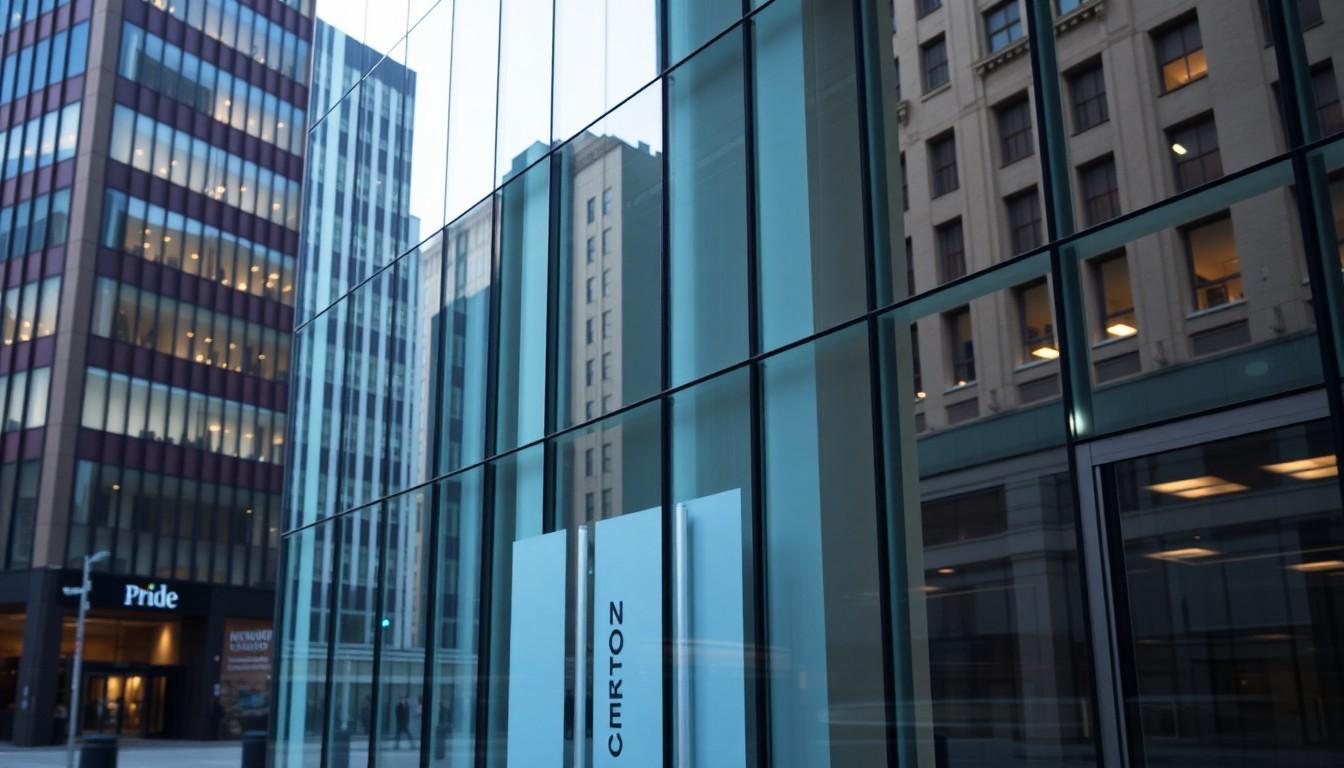
Brands are pairing rainbow branding with AI-generated faces, voices and virtual influencers, raising an uncomfortable question: can synthetic media represent queer people authentically? The debate matters for Pride shoppers, LGBTQ+ audiences and anyone watching how technology reshapes public culture, especially when polished digital support risks replacing meaningful action.
Essential Takeaways
- Synthetic media is expanding: AI-generated images, voices and virtual personalities are increasingly appearing in promotional campaigns.
- Representation feels personal: Queer audiences may see these campaigns as reflections of identity, not simply seasonal advertising.
- Rainbow branding has a history: Pride-related marketing has long faced criticism when corporate support appears temporary or superficial.
- Authenticity needs evidence: Donations, workplace protections and year-round commitments carry more weight than a colourful logo alone.
- Consumers can look closer: Check who made the campaign, whose stories it uses and what the brand does beyond June.
AI-generated queerness is the latest Pride marketing test
A rainbow logo can change overnight, but trust doesn't work quite so quickly. Now, with AI-generated imagery and virtual personalities joining the familiar Pride campaign toolkit, brands can create polished queer-coded worlds without necessarily involving queer people in the process.
That distinction is important. Synthetic media can include generated photographs, cloned voices, animated characters and computer-built influencers, all designed to sell a product or shape a brand's identity. The technology may look sleek and cheerful, but the human questions underneath are much messier.
As the original discussion of synthetic media points out, the issue isn't simply whether an image is real. It's whether the people and communities being represented have any meaningful say in how they're portrayed, according to Girl Power Talk. That concern sits alongside wider criticism of rainbow capitalism explored by Queer Europe and Teen Vogue.
Why rainbow branding still makes people wary
Pride marketing didn't begin with artificial intelligence. For years, companies have been criticised for adding rainbow colours to products during Pride Month, then quietly returning to business as usual once July arrives.
Queer Europe frames the central tension as the gap between genuine corporate support and rainbow washing. Teen Vogue has similarly examined how fashion and beauty brands turn Pride into a highly visible commercial moment, while commentary from the University of Winnipeg's Imprint argues that pink capitalism can distract from the political roots of Pride.
That doesn't mean every Pride product or campaign is automatically cynical. Visibility can matter, and many LGBTQ+ consumers do want to see themselves reflected in mainstream culture. But a rainbow handbag can't compensate for poor workplace policies, weak community support or silence when LGBTQ+ rights come under pressure.
Virtual influencers make the question harder
A human ambassador brings a biography, a community and, ideally, some responsibility for what they promote. A virtual influencer brings none of those things in the same way. It can be designed to look relatable, inclusive and effortlessly camera-ready, but it can't speak from lived experience.
The Atlantic's reporting on fictional online personalities reflects a broader shift: audiences are increasingly encountering digital figures that appear socially real, even when they have been created for commercial purposes. That makes disclosure especially important during Pride campaigns, where the difference between representation and simulation can be emotionally charged.
There is also a practical concern around consent. A brand may generate a queer-looking character without using one person's face, but it can still borrow visual cues from a community while avoiding the cost and complexity of working with queer creators. The result may be technically inventive yet strangely hollow, like a shop window dressed for a party nobody was invited to.
What genuine allyship looks like in practice
The strongest signal isn't a rainbow graphic. It's what a company does when Pride is no longer commercially convenient.
Consumers can start by checking whether a brand names the LGBTQ+ organisations it supports, publishes clear information about donations and maintains inclusive policies across its workforce. Queer Majority's defence of rainbow capitalism offers a useful reminder that commercial involvement isn't automatically harmful; the more revealing question is whether money and visibility produce tangible benefits.
It also helps to look for people behind the campaign. Were queer designers, writers, photographers or consultants involved? Are they credited and paid fairly? Is the campaign transparent about AI use? Those details won't solve every concern, but they show whether a company sees community participation as essential or optional.
Can synthetic media ever feel authentic?
Possibly, but only under the right conditions. AI-generated content could support a campaign created with queer leadership, honest disclosure and a clear purpose beyond selling seasonal merchandise. Used carefully, it might widen access, experiment with storytelling or help smaller organisations work within tight budgets.
The danger comes when automation becomes a shortcut around representation. If synthetic media allows companies to perform queerness without listening to queer people, it risks turning identity into a reusable visual style. The Atlantic's interest in artificial personalities and the wider debate around rainbow capitalism both point towards the same conclusion: audiences are getting better at asking who benefits.
Pride has always carried more meaning than a marketing calendar. For consumers, that means enjoying the colour and creativity while keeping one eye on the receipts, policies and people behind the screen. Real support should still be recognisable after the rainbow filter disappears.
A convincing Pride campaign should do more than look inclusive; it should leave something useful behind.
Source Reference Map
Story idea inspired by: [1]
Sources by paragraph:
- Paragraph 1: [2], [3]
- Paragraph 2: [4], [5]
- Paragraph 3: [6], [7]
- Paragraph 4: [2], [3]
- Paragraph 5: [4], [5]
- Paragraph 6: [3], [6]
- Paragraph 7: [2], [7]
- Paragraph 8: [3], [4]
- Paragraph 9: [5], [6]
- Paragraph 10: [2], [3]
- Paragraph 11: [6], [7]
- Paragraph 12: [2], [5]
- Paragraph 13: [3], [6]
- Paragraph 14: [2], [4]