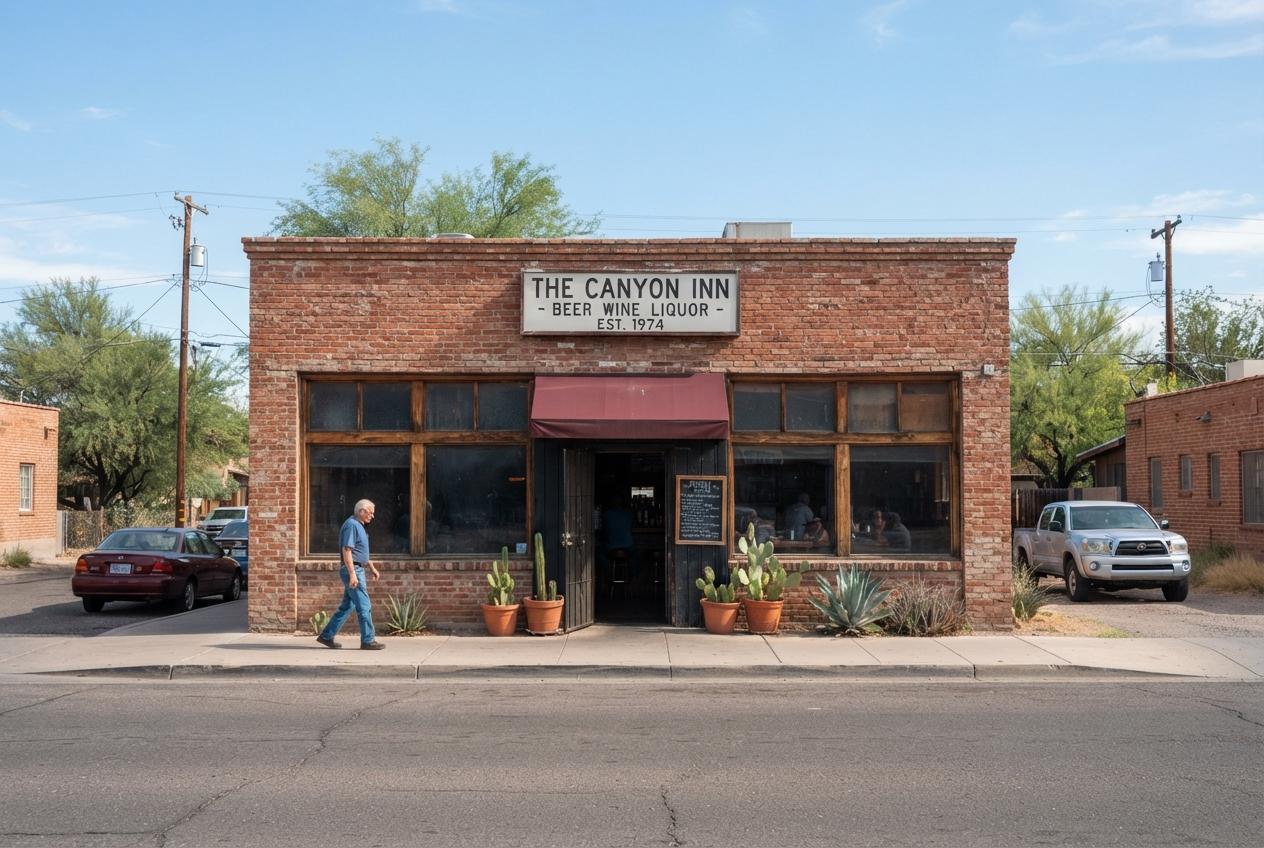
Tucson's LGBTQ+ community is mourning two men killed outside Venture-N, a much-loved queer bar, in an attack being investigated as a hate crime. As officials and local groups call for solidarity, the tragedy is prompting wider questions about gun violence, community safety and how to support the spaces people rely on for belonging.
Essential Takeaways
- Two people were killed: Vincent Anthony Siqueiros and Cameron Davis Capara died after the shooting outside Venture-N.
- Police are investigating a hate crime: Tucson authorities say the suspect reportedly had information about several LGBTQ-friendly venues.
- Venture-N was more than a bar: Regulars describe it as a familiar, welcoming space for friendship and chosen family.
- Support is available: Local organisations are offering help to people dealing with grief, fear or trauma.
- A vigil is planned: Community groups will gather at Catalina Park on Fourth Avenue to honour the victims.
A beloved venue became the scene of tragedy
The shooting happened in the early hours of Monday outside Venture-N, a queer bar in Tucson known as a relaxed gathering place for local LGBTQ+ residents. Vincent Anthony Siqueiros and Cameron Davis Capara were killed, turning an ordinary night out into a devastating loss for families, friends and witnesses.
According to the Los Angeles Times, Tucson police initially treated the attack as a possible hate crime before confirming that classification the following day. Investigators are examining the circumstances and the suspect's alleged focus on LGBTQ-associated businesses.
For many residents, the shock lies partly in the setting. Venture-N wasn't simply somewhere to buy a drink. It was a familiar room with regular faces, a place where people could relax, flirt, laugh and feel briefly free from the strain of being watched or judged.
Police response brings reassurance, but not easy answers
Tucson Police Chief Monica Prieto said investigators were following all available leads and that there was no indication of an ongoing public threat. Police also increased their presence around LGBTQIA+ venues and worked with community organisations after the attack.
That response may offer some immediate comfort, particularly to people deciding whether it's safe to return to bars, clubs and community events. But visible patrols can't answer the larger question of why people should have to weigh personal safety before walking into a place built around connection.
The Washington Post reported that the investigation focused on the attack as anti-LGBTQ violence. The case has also renewed debate about firearm access and Arizona's gun-safety laws, with local leaders arguing that prejudice becomes even more dangerous when paired with easy access to weapons.
Why queer venues matter far beyond nightlife
Tucson Queerstory described Venture-N as a long-standing safe space, while the Southern Arizona AIDS Foundation said venues like it provide friendship, chosen family, safety and belonging. Those words matter because they explain what is lost when an LGBTQ+ venue is attacked.
A bar can look unremarkable from the outside, with a sign, a doorway and a few tables. Inside, however, it may be where someone meets their first queer friends, finds support after coming out or spends an evening without having to explain themselves. That everyday freedom is easy to overlook until violence threatens it.
Reporting by Tucson Spotlight said the victims were regulars at the venue. That detail makes the tragedy feel painfully close: these weren't anonymous visitors passing through, but people woven into the social fabric of a community.
Tucson responds with grief, vigilance and solidarity
Mayor Regina Romero condemned the attack and encouraged people affected by it to contact Pima County's victim services programme. The Southern Arizona AIDS Foundation also offered support for anyone struggling with fear, grief or psychological trauma.
Community groups are organising a vigil for Wednesday, 2 September, at 6.30pm at Catalina Park on Fourth Avenue. Gatherings like this can't undo what happened, but they can give people somewhere to stand together when private grief feels too heavy.
Hundreds later gathered at a Tucson vigil, according to KJZZ, reflecting both the scale of the loss and the community's determination not to retreat into silence. In moments like this, showing up is practical as well as symbolic: it reminds people that safety is a shared responsibility.
What happens next for LGBTQ+ community safety?
The investigation will determine the legal consequences, but the public conversation is already broader. Arizona's official hate-crime information makes clear that bias-motivated offences require careful reporting and documentation, while local organisations remain important points of support for people who feel vulnerable.
For venue owners and patrons, useful steps include checking emergency plans, knowing where exits are, sharing concerns with trusted staff and looking out for anyone who seems distressed. Those measures shouldn't become a substitute for effective public policy, but they can help communities respond quickly in a frightening situation.
The harder task is preserving the warmth that makes queer spaces valuable without allowing fear to define them. As one local reflection put it, people need to remember that they are part of a community that cares. That may sound simple, but after violence, it can be a powerful place to begin.
It's a small act of solidarity, but standing together helps keep safe spaces from disappearing.
Source Reference Map
Story idea inspired by: [1]
Sources by paragraph: