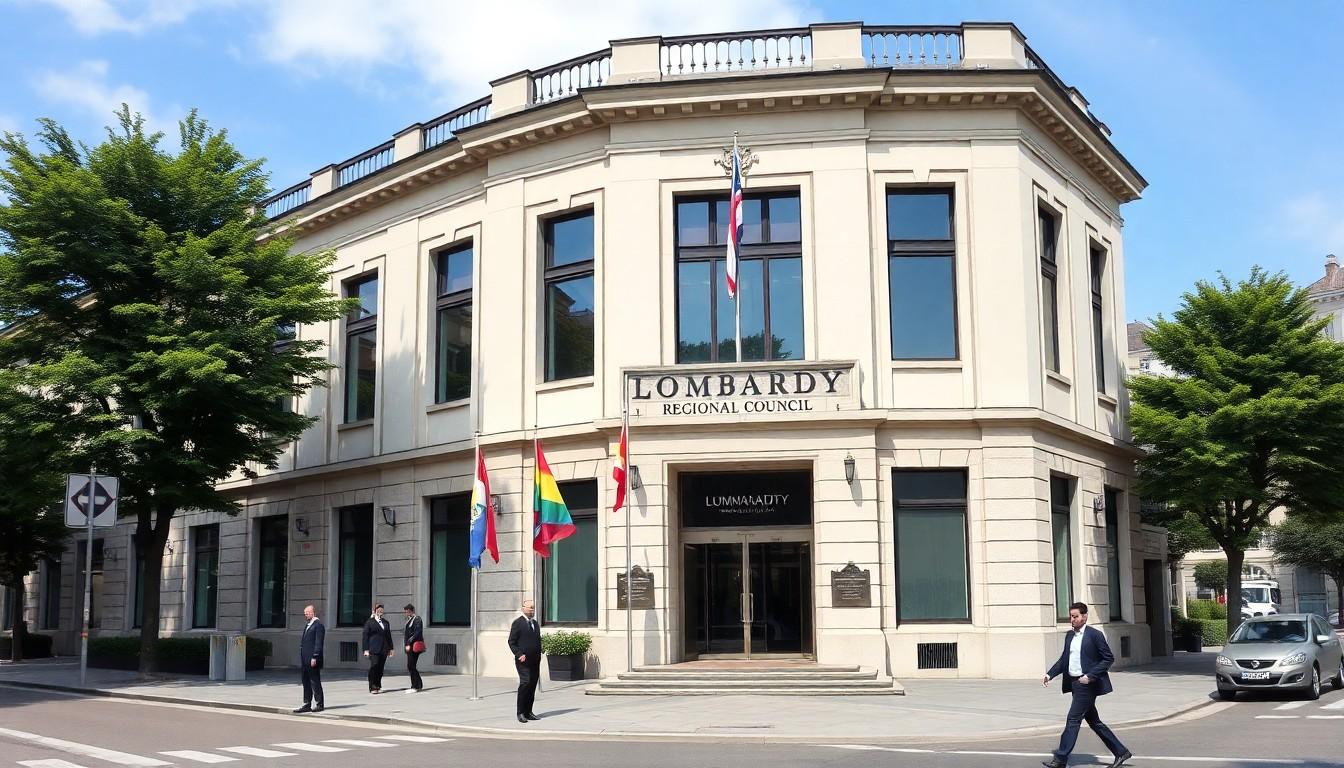
Lawmakers in Lombardy have condemned Turkey's crackdown on LGBT organisations, after a September police operation targeted activists and groups supporting people with HIV. The vote matters beyond Italy's regional politics: it highlights how criminal law, censorship and restrictions on assembly are being used against civil society, while universities and charities consider practical routes to offer protection.
Essential Takeaways
- Lombardy's motion: The regional council backed a call to condemn repression of LGBT groups and human rights defenders.
- Operation Ailem Guvende: Police action reportedly targeted seven LGBT associations and two HIV-focused organisations.
- Legal pressure: Authorities used allegations including obscenity and facilitating prostitution against lawful civil society activity.
- Practical support: The motion encourages links with universities, researchers and charities to provide temporary shelter, legal help and psychological support.
- A wider warning: The crackdown also raises concerns about digital censorship and freedom of association, expression and assembly.
A police operation that rattled Turkey's LGBT community
The most alarming detail isn't simply the number of arrests. It's the breadth of the alleged operation, which reportedly reached organisations offering advice, solidarity and health support to vulnerable people. Reports from The Levant Files and Duvar say the campaign, known as Ailem Guvende, or "My Family Is Safe", involved searches, detentions and arrests in September.
The operation reportedly affected seven LGBT associations and two organisations working with people living with HIV. According to Gay.it, the action formed part of a broader anti-LGBTI campaign under President Recep Tayyip Erdogan, where public hostility and administrative pressure have increasingly overlapped.
For organisations already working in a tense environment, a police raid can have an immediate chilling effect. Offices go quiet, helplines become harder to run and people who need support may think twice before asking for it.
Why the legal language matters
The accusations are significant because they appear to rely on broad criminal provisions, including obscenity and facilitating prostitution. El Pais described the approach as part of a wider authoritarian playbook in which legal mechanisms are used to restrict LGBT visibility and weaken independent groups.
That distinction matters. A ban on a public event is one form of repression; using criminal investigations against associations that provide information or protection is another. It can make ordinary civil society work look dangerous, even when the underlying services are lawful and essential.
The pressure also extends beyond courtrooms. Reports cited by Gay.it and The Levant Files point to growing limits on online spaces, public expression and collective organising. In practical terms, that means activists face not only arrest risk but also the slow disappearance of the networks that help people find advice, healthcare and community.
Lombardy sends a cross-border signal
Lombardy's regional council approved a motion on 6 October condemning the crackdown. The proposal was introduced by Luca Paladini of Patto Civico, following advocacy by the Italian group Certi Diritti, and passed unanimously among those who voted. Members of Lega and Lombardia Ideale did not take part in the vote.
The motion doesn't pretend that a regional government can direct Turkey's foreign policy. Instead, it asks the Italian government to keep attention on fundamental rights and the rule of law, while exploring practical support through universities, research bodies and the voluntary sector.
That approach gives the gesture more substance. Symbolic condemnation can feel distant, but a university place, a temporary room, legal advice or psychological care can make an immediate difference to someone forced to leave their home. El Pais reported that detained activists have continued to insist they won't disappear, a defiant message that makes outside support all the more meaningful.
What support could look like in practice
The motion invites the regional administration to consider cooperation with Lombardy's universities, Scholars at Risk Italy, research institutions and third-sector organisations. The aim is to create temporary reception and assistance for people made vulnerable by repression.
It also points towards projects offering legal protection, psychological support and practical accompaniment. Those services are especially important for activists facing overlapping pressures: possible prosecution, loss of income, digital surveillance and the stress of relocating across borders.
For readers trying to understand why this matters, the simplest answer is that rights protection is rarely one dramatic intervention. It is usually a chain of small, dependable measures: a safe place to stay, a lawyer who understands the case, a trusted interpreter and a community that doesn't switch off when the headlines fade.
A vote that reaches beyond party politics
Yuri Guaiana of Certi Diritti described the result as particularly important because it crossed the usual political divide. That claim is supported by the voting pattern: the motion passed with all votes cast, despite the council being controlled by a centre-right majority.
The broader question is whether other Italian regions and municipalities will follow. A single motion won't reverse Turkey's policy, but it can help build channels between local institutions and organisations with expertise in emergency support.
Meanwhile, the activists' message remains stubbornly hopeful. As reported by El Pais, those jailed have rejected the idea that repression can erase them. For supporters abroad, that leaves a clear responsibility: keep the issue visible, and turn concern into practical protection where possible.
A regional vote can't end the crackdown, but it can help ensure the people targeted aren't left alone.
Source Reference Map
Story idea inspired by: [1]
Sources by paragraph:
- Paragraph 1: [2], [3]
- Paragraph 2: [6], [7]
- Paragraph 3: [3], [5]
- Paragraph 4: [5], [7]
- Paragraph 5: [3], [5]
- Paragraph 6: [2], [6]
- Paragraph 7: [4], [5]
- Paragraph 8: [2], [4]
- Paragraph 9: [3], [6]
- Paragraph 10: [4], [5]
- Paragraph 11: [2], [6]
- Paragraph 12: [4], [5]
- Paragraph 13: [3], [4]
- Paragraph 14: [4], [5]