Audiences are being invited to rediscover The Gorgeous Nothings, a new musical inspired by the hidden queer history of 1930s New York. By revisiting the city’s Pansy Craze, prison performance culture and the people behind the headlines, the production offers a lively reminder that community, humour and glamour have long helped LGBTQ+ people endure.
Essential Takeaways
- A lost story returns: The production draws on queer inmates’ festive performances at New York’s Welfare Island prison.
- History meets theatre: The musical follows six fictionalised characters inspired by real people and events.
- A podcast adds context: Making Gay History’s Queens Of Welfare Island season explores the people behind the archive.
- The era was contradictory: Drag and queer nightlife attracted crowds, while police and courts continued to criminalise LGBTQ+ lives.
- Expect camp with substance: The show uses music, wit and spectacle to explore survival, friendship and identity.
A forgotten pageant gets its spotlight back
The Pansy Craze was a strange, dazzling and dangerous moment in American history. During the late 1920s and early 1930s, drag performers and visibly queer entertainers could draw packed audiences, yet the same people might face arrest as soon as they left the club.
Historical accounts from Johns Hopkins University’s Peabody Ballroom archive describe a period when gender-bending performers became unusually visible in public life. That visibility was never the same as safety, though. The applause could be loud, but the threat outside the theatre was louder.
The resulting contradiction is central to The Gorgeous Nothings. Its story looks at people who created joy in circumstances designed to deny them dignity, turning a prison performance into something much more powerful than a seasonal diversion.
How Welfare Island became an unlikely queer community
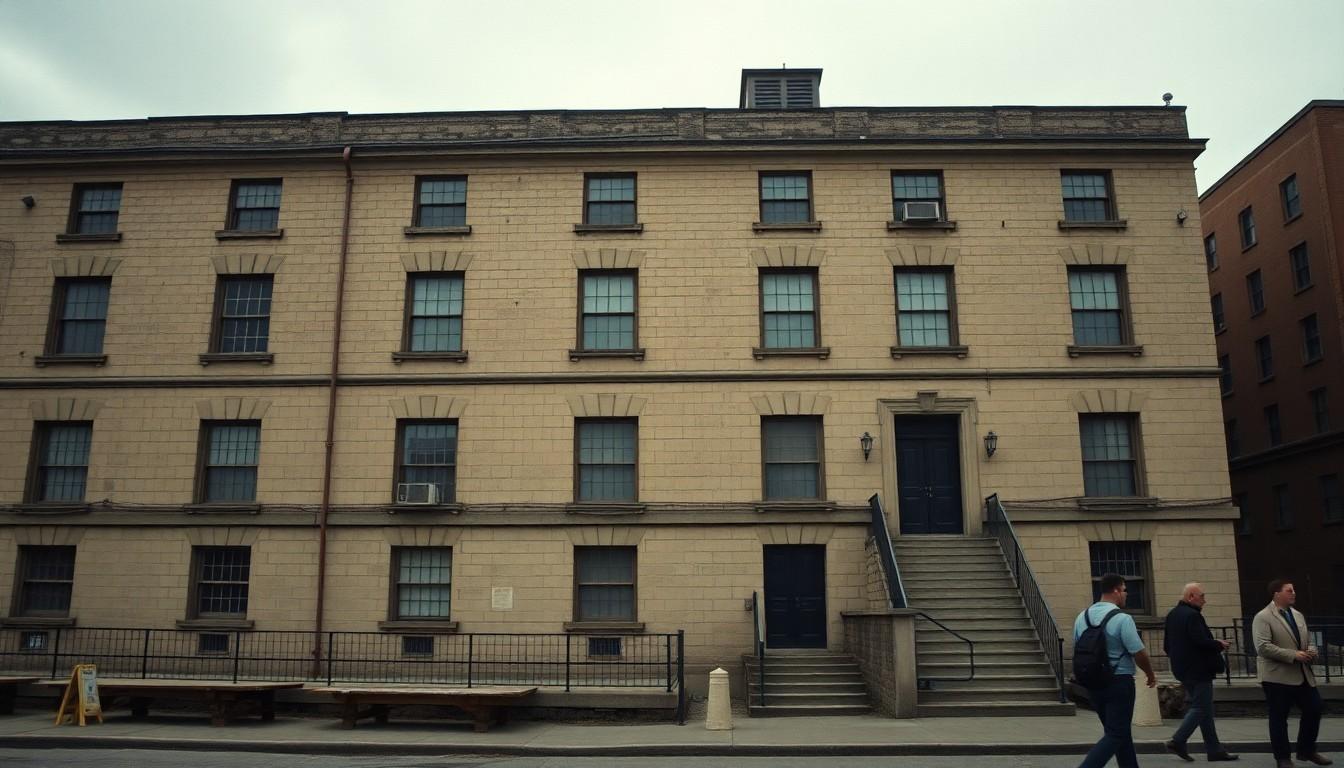
In early 1930s New York, gay men and other prisoners perceived as effeminate could be held in a segregated section of the former Men’s Penitentiary on Welfare Island, now Roosevelt Island. The setting was harsh, but confinement also brought together people who might otherwise have remained isolated.
According to background on the Pansy Craze, queer people were often targeted not only for private relationships but also for mannerisms, clothing and public presentation. In other words, simply appearing to be gay could become evidence against you.
That makes the prison’s annual pageant all the more striking. Inmates reportedly staged a Christmas-time revue known as the Fag Follies, creating an improvised world of costumes, songs and shared recognition. It was camp, certainly, but it was also a form of collective survival.
Why the Pansy Craze still matters
The period is sometimes remembered as a brief golden age for drag, and there was genuine public fascination. Performers such as Gene Malin became notable figures in New York’s nightlife, showing how queer artists could command attention well before the modern language of LGBTQ+ rights existed.
But the glamour had sharp limits. Research collected by LGBTQ+ historians and reference sources on the Pansy Craze points to a backlash fuelled by moral panic, intensified policing and renewed pressure on venues that had welcomed queer performers.
That history complicates the idea of visibility as automatic progress. Being seen can create opportunity, but it can also make people easier to target. The Gorgeous Nothings appears to understand that tension, pairing showbiz sparkle with the uncomfortable reality beneath it.
The musical turns archival fragments into human stories
Created by Travis Lee Russ and produced by Life Jacket Theatre Company, The Gorgeous Nothings centres on six inmates preparing their annual show. The characters are shaped by accounts of real people and events, while the musical format allows their humour, nerves and affection to come alive.
The production is expected to draw on the Great American Songbook, giving the story a deliberately theatrical frame. That choice feels apt: the prisoners aren't simply remembered as victims of a repressive system, but as performers with taste, ambition and a flair for making an entrance.
For audiences, the appeal goes beyond a colourful historical anecdote. The show asks what happens when people who have been reduced to labels reclaim the stage, even briefly. Sometimes the most revealing archive is the one with a punchline, a chorus line and an audience leaning forward.
A podcast promises the history behind the curtain
Alongside the musical, Making Gay History is launching a season titled The Queens Of Welfare Island. Hosted by Eric Marcus, the eight-part series will examine archival material and speak with experts about the people connected to the prison’s queer history.
The podcast is set to explore a wide range of lives, from entertainers and nightlife regulars to men caught in police stings. That broader context matters because it prevents the pageant from becoming a charming but disconnected tale. The Follies existed within a system that could punish people for sex, expression and perceived identity.
Together, the podcast and musical offer two routes into the same past. One leans into documents and testimony, while the other uses songs and performance to imagine the emotional texture of life behind bars. For anyone interested in LGBTQ+ history, that combination sounds considerably more memorable than a dusty footnote.
It's a reminder that queer history has always had a soundtrack, even in the darkest rooms.
Source Reference Map
Story idea inspired by: [1]
Sources by paragraph:
- Paragraph 1: [2], [3]
- Paragraph 2: [3], [7]
- Paragraph 3: [2], [7]
- Paragraph 4: [3], [6]
- Paragraph 5: [4], [7]
- Paragraph 6: [2], [5]
- Paragraph 7: [5], [6]
- Paragraph 8: [4], [7]
- Paragraph 9: [2], [3]
- Paragraph 10: [5], [7]
- Paragraph 11: [2], [3]
- Paragraph 12: [6], [7]
- Paragraph 13: [2], [3]
- Paragraph 14: [2], [7]
- Paragraph 15: [3], [6]
- Paragraph 16: [2], [4]