New York City is preparing to invest nearly $9 million in organisations providing gender-affirming care for trans young people, as access narrows at several major hospitals. The funding forms part of Mayor Zohran Mamdani's wider $15 million plan, designed to connect families with qualified providers and keep essential support within reach.
Essential Takeaways
- Nearly $9 million pledged: City health officials plan a three-year funding arrangement for providers supporting gender-affirming care for under-18s.
- Part of a larger plan: The investment sits within a $15 million programme covering direct care, advice services and research.
- Qualified clinicians required: Services must be delivered by currently licensed New York State medical professionals and follow state consent rules.
- Access is under pressure: Several hospitals have stopped offering youth gender-affirming care amid federal scrutiny and political pressure.
- Families still need clear routes in: The city's health information points people towards affirming providers and support resources.
A major city investment arrives at a tense moment
The proposed funding comes as a practical response to a worrying gap in care. New York City's health department says there is a compelling need for services for minors, including puberty blockers and hormone treatment where medically appropriate.
That need has become more visible after several prominent hospitals ended or scaled back gender-affirming care for young people. For families, the change isn't an abstract policy dispute. It can mean cancelled appointments, longer journeys and the exhausting task of starting again with a new clinician.
The city's move therefore has both a financial and symbolic weight. It says local services should remain available even as national pressure makes some institutions more cautious.
How the $15 million programme is meant to work
Mayor Mamdani announced the broader initiative as a three-part plan. It includes a direct access care fund, a call and text service to guide people towards help, and research intended to identify where young people are struggling to obtain healthcare.
The nearly $9 million contract would support organisations that provide or help arrange care for patients under 18. According to city records, services must be delivered by qualified providers and comply with New York law, including requirements around parental consent.
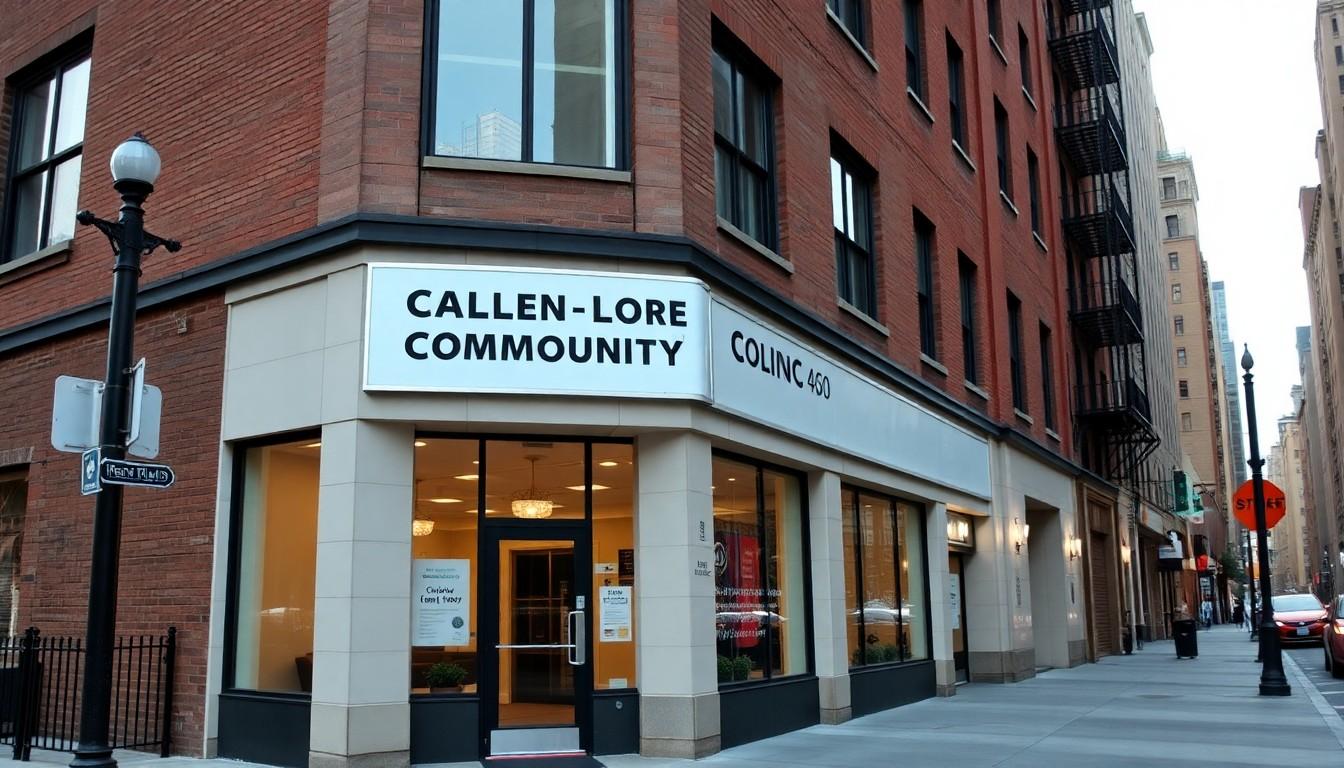
Callen-Lorde Community Health Center and the Nonprofit Organization for Philanthropic Initiatives have been identified as potential partners. The proposed arrangement would begin in February 2027 and last three years, although other organisations have also been invited to express interest.
Why reliable access matters for families
New York City's own transgender health guidance emphasises the importance of respectful, appropriate care across a person's health needs. That includes helping patients find providers who understand gender identity, transition-related care and the wider emotional and physical realities involved.
In practice, a dedicated fund could make the system feel less like a maze. A teenager may need a clinician, a referral, family support and a clear explanation of next steps, rather than a list of disconnected websites and phone numbers.
That coordination matters particularly for families outside the city's best-connected neighbourhoods. Even when care is legally available, travel costs, waiting lists and uncertainty can quietly turn access into a postcode lottery.
Hospitals, federal pressure and a widening divide
The funding push follows protests outside New York hospitals that stopped offering gender-affirming care to young people. Activists have argued that institutions are retreating because of federal pressure, while officials have described national investigations as efforts to examine possible violations of healthcare and drug laws.
Critics, meanwhile, say subpoenas and threats involving federal funding can intimidate clinicians even where care remains lawful. That dispute has left hospitals balancing medical practice against an increasingly aggressive political environment.
New York's response reflects a broader divide between city and federal approaches. Where some institutions are stepping back, local officials are attempting to build a parallel network through community organisations and public funding.
What families should look for when seeking care
Families should start by checking whether a provider has current New York State licences and whether it clearly explains its consent, referral and follow-up policies. The city's transgender health resources can be a useful first stop, but it's sensible to ask direct questions about waiting times, costs and which services are actually available.
It also helps to confirm whether a service offers medical care, counselling, navigation support or simply referrals. Those are all valuable, but they aren't interchangeable. A calm phone call before booking can prevent a frustrating surprise later.
The new investment won't solve every challenge overnight. Still, as activist and journalist Erin Reed noted in reaction to the announcement, it represents a meaningful beginning, even if more action is needed.
A promising start, with plenty still to prove
The real test will be how quickly funding reaches providers and whether families notice shorter waits and clearer routes to care. A well-designed programme could offer stability at a time when the national picture feels anything but stable.
For trans young people and their families, that kind of dependable support isn't a luxury. It's the difference between knowing where to turn and being left to navigate a hostile system alone.
It's a significant first step towards keeping gender-affirming care accessible in New York City.
Source Reference Map
Story idea inspired by: [1]
Sources by paragraph:
- Paragraph 1: [2], [4]
- Paragraph 2: [3], [6]
- Paragraph 3: [4], [6]
- Paragraph 4: [2], [3]
- Paragraph 5: [4], [5]
- Paragraph 6: [2], [4]
- Paragraph 7: [6], [7]
- Paragraph 8: [4], [6]
- Paragraph 9: [2], [3]
- Paragraph 10: [4], [5]
- Paragraph 11: [6], [7]
- Paragraph 12: [2], [4]
- Paragraph 13: [3], [6]
- Paragraph 14: [4], [5]
- Paragraph 15: [2], [3]
- Paragraph 16: [6], [7]
- Paragraph 17: [2], [4]
- Paragraph 18: [3], [6]
- Paragraph 19: [2], [4]
- Paragraph 20: [6], [7]