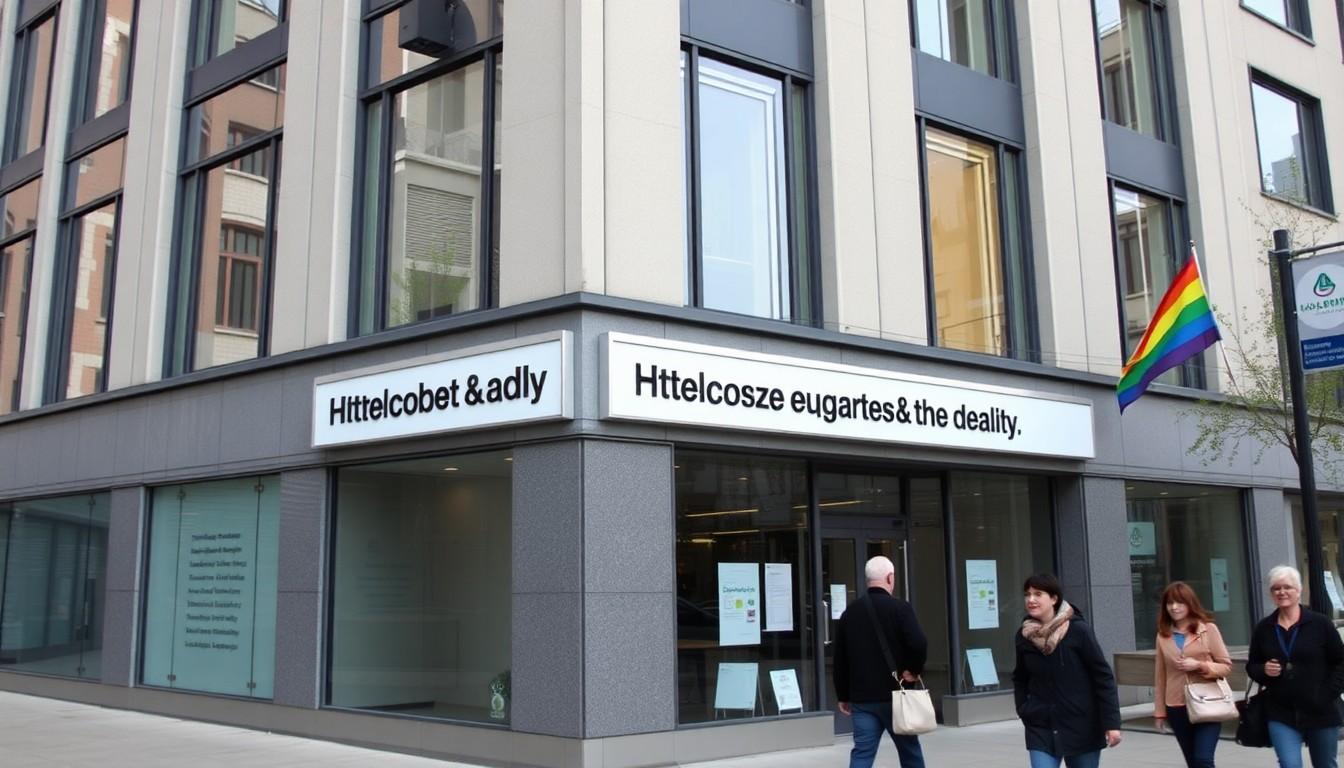
LGBTQ+ Americans are becoming more open about who they are, yet many say today’s political climate makes visibility feel risky. New Human Rights Campaign Foundation research, released ahead of National Coming Out Day, shows why connection and caution are shaping queer life across the United States.
Essential Takeaways
- Visibility is rising: One-third of surveyed LGBTQ+ adults said they’re more open about their identities than two years ago.
- Politics is changing behaviour: 56% said the current climate makes them less likely to be open.
- Trans people face sharper pressure: That figure rises to 70% among transgender and gender-expansive adults.
- Connection still matters: Respondents broadly believe knowing LGBTQ+ people can build support for equal rights.
- The stakes are personal: Coming out can bring relief and community, but safety concerns remain very real.
More people are choosing openness, carefully
The central finding is striking because it contains a contradiction. LGBTQ+ people are becoming more visible while also feeling less secure about what that visibility might bring. According to Human Rights Campaign Foundation research, one in three respondents said they’re more open about their identities than they were two years ago. [4]
That doesn’t necessarily mean everyone is making a grand announcement. Visibility can be as quiet as mentioning a partner at work, wearing a pride badge, or correcting someone who gets a pronoun wrong. These small moments can feel affirming, but they can also carry a familiar pause: is this safe here?
The research arrives ahead of National Coming Out Day, a moment usually associated with celebration and solidarity. This year, the mood is more complicated. People are still reaching for honesty and connection, but they’re weighing the room first. [2]
Why the political climate is making people hesitate
More than half of those surveyed, 56%, said the political environment had made them less likely to be open about their identity. Among transgender and gender-expansive adults, the proportion reached 70%, underlining how uneven the experience of visibility can be. [3]
For many trans people, concerns aren’t abstract. Debates over identity documents, healthcare, public facilities and legal protections can spill into everyday life, making a simple introduction feel loaded. Human Rights Campaign resources on trans visibility point to the importance of being seen on people’s own terms, rather than being pushed into the spotlight by politics or public controversy. [7]
That tension helps explain why progress and fear can exist side by side. A person may feel more confident among friends, but more guarded at work, in public services or online. Visibility isn’t a switch; it’s something people adjust depending on safety, support and circumstance.
Connection remains one of the strongest forms of support
Despite the anxiety, the findings offer a hopeful thread. Respondents overwhelmingly believe personal relationships can strengthen support for LGBTQ+ equality. In other words, knowing someone’s story still matters, perhaps especially when public debate turns cold or caricatured. [2]
That fits with wider Human Rights Campaign research showing record numbers of Americans say they know a transgender person, alongside broad bipartisan support for transgender rights. Familiarity doesn’t solve discrimination on its own, but it can make political arguments more human and less theoretical. [6]
There’s a quiet power in ordinary visibility. A colleague, neighbour or relative who is openly LGBTQ+ can challenge stereotypes without delivering a speech. Sometimes a shared coffee and an honest conversation do more than a thousand angry posts.
The pressure is also financial and political
Visibility doesn’t happen in a vacuum. LGBTQ+ voters are heading towards the midterm elections highly motivated, but research also points to concern about civil rights and financial strain. When household budgets are tight, political decisions about healthcare, employment and legal protection can feel especially immediate. [5]
That combination may help explain why people are both more engaged and more cautious. Many LGBTQ+ adults want to participate, organise and be counted, while also protecting themselves from harassment or retaliation. The desire to be visible is strong, but so is the instinct to keep a safe route home.
For supporters, the practical lesson is straightforward: don’t assume openness is easy simply because someone appears confident. Ask what support looks like, respect privacy, and make workplaces, schools and community spaces visibly safer before asking people to be more visible.
What National Coming Out Day means now
National Coming Out Day still has an important role, but its message may need a little more nuance. Coming out can be joyful and liberating, yet it should never be treated as a duty or a test of courage. The decision belongs to each person, and safety comes first. [7]
The latest findings suggest that LGBTQ+ Americans aren’t retreating from community. They’re navigating a harsher landscape with care, choosing when and where to be open while continuing to build relationships that can shift public opinion. That’s not a failure of visibility. It’s a realistic response to the world around them.
And perhaps that’s the clearest takeaway: openness is growing, but it needs protection. People shouldn’t have to choose between living honestly and feeling safe.
Visibility matters most when it comes with safety, support and choice.
Source Reference Map
Story idea inspired by: [1]
Sources by paragraph: