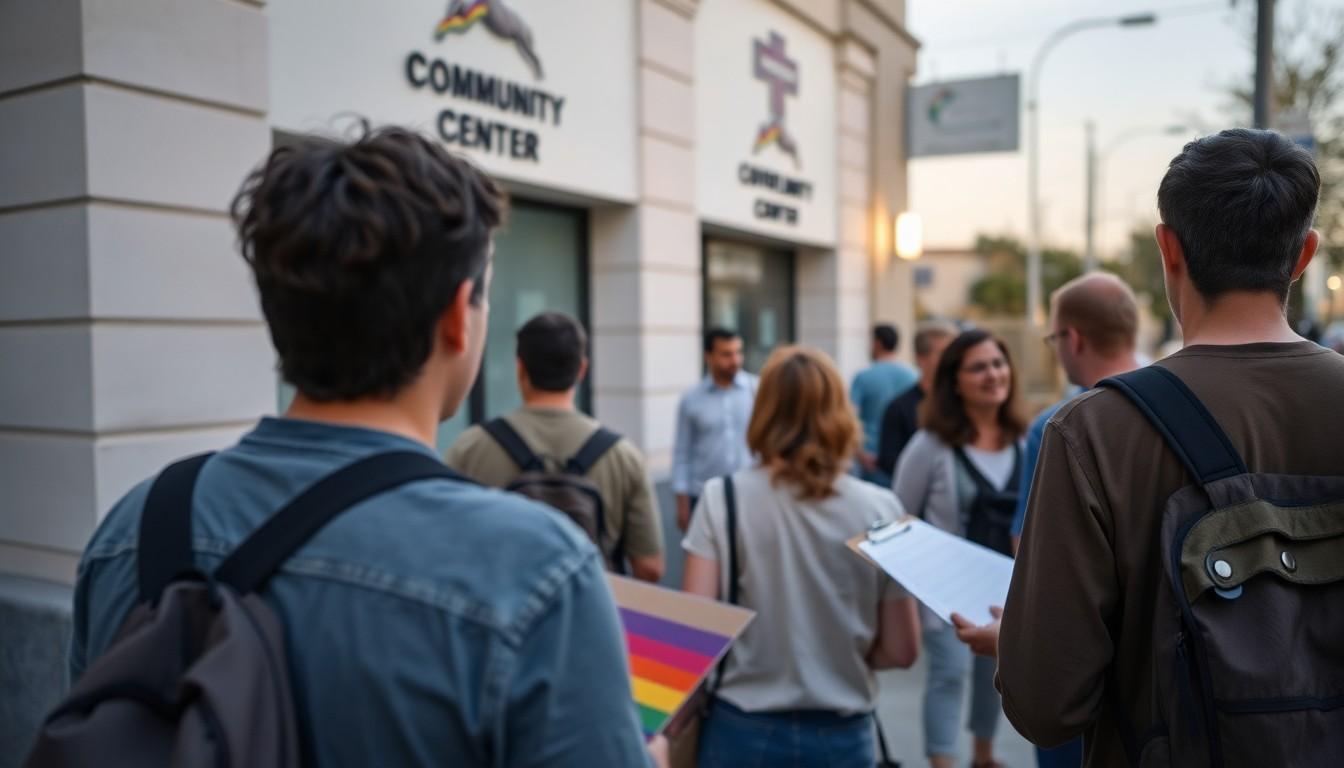
Advocates are using Sexual Freedom Month to draw attention to the close relationship between LGBTQ+ rights and personal liberty. With hundreds of US bills targeting identity, healthcare, expression and public access, the campaign matters far beyond September, especially for people navigating everyday services and public life.
Essential Takeaways
- A large legislative push: The ACLU is tracking hundreds of anti-LGBTQ+ proposals across the United States.
- Everyday rights are involved: Rules affecting identity documents, healthcare and toilets can shape work, travel and education.
- The debate is broader than sex: Advocates link sexual freedom with dignity, privacy, expression and equal treatment.
- The picture varies by state: Some governments are introducing protective measures while others are rolling protections back.
- Practical support matters: Accurate information, legal guidance and local advocacy can help people understand changing rules.
Why LGBTQ+ rights and sexual freedom are being linked
The central argument is simple but important: sexual freedom isn't only about private relationships. It also includes the ability to understand and express one's identity, make personal healthcare decisions and take part in public life without discrimination.
That wider definition helps explain why seemingly administrative issues can feel deeply personal. A mismatch on an identity document, for instance, may create awkward questions at an airport, workplace or government office. Human Rights Watch has reported on the consequences when officials challenge or remove gender-affirming identification, underlining how paperwork can affect safety and recognition.
For campaigners, these are civil-liberties questions rather than niche cultural disputes. The Woodhull Freedom Foundation says LGBTQ+ equality is bound up with human dignity, free expression and access to essential services.
Hundreds of bills, very different consequences
The scale of the legislative activity is striking. ACLU tracking cited by the campaign records 528 anti-LGBTQ+ bills in the United States during 2026, spanning identification rules, healthcare, education, public accommodation and speech.
That number doesn't mean every proposal becomes law, and the bills differ considerably. Some would regulate what schools can teach or how young people are supported, while others affect documents and access to services. Still, the sheer volume can make the landscape feel exhausting, particularly for people trying to work out which rules apply locally.
Dedicated trackers such as LGBTQ Legislation and the ACLU's state-level reporting provide a useful starting point. They also show why national headlines rarely tell the whole story: rights and responsibilities can change sharply across state lines.
The US response is becoming increasingly uneven
There isn't one single American approach. California, for example, has announced legislation intended to protect LGBTQ+ communities and resist federal policies seen by state officials as discriminatory. That creates a very different experience from states pursuing restrictions on gender recognition, healthcare or school protections.
Meanwhile, reporting from El Pais has highlighted the removal of protections for LGBTQ+ students in US schools, adding to concerns about discrimination and the safety of young people. Education is particularly sensitive because rules can affect pupils, families, teachers and school staff at once.
The result is a patchwork system. A person may have strong protections in one state and face uncertainty after moving, travelling or applying for a job elsewhere. It's a bureaucratic headache, but also a reminder that legal rights need practical enforcement to mean much in daily life.
What these changes mean in everyday life
Identity documents are one obvious pressure point. Accurate information can make it easier to travel, start employment, access benefits and deal with public agencies without repeatedly explaining or defending who you are.
Healthcare is another. Restrictions can affect whether someone receives appropriate treatment, how clinicians discuss care and whether patients feel safe seeking help. The ACLU's 2026 legislative reporting places these proposals within a broader pattern of attacks affecting healthcare access, education and public participation.
For individuals, a few sensible habits can help. Check official state guidance before travelling or changing documents, keep copies of important records, and use reputable LGBTQ+ legal or community organisations when rules are unclear. Advice from a local group may be more useful than a fast-moving social media post, particularly when legislation is being challenged in court.
Why Sexual Freedom Month still matters
The campaign's value lies partly in widening the conversation. Sexual freedom can sound like a private matter, but the surrounding rights are public and practical: being recognised, accessing care, speaking openly and using shared spaces safely.
There are also signs of sustained resistance. State protections, civil-rights litigation and community organising continue alongside the restrictions, as California's announcement and ACLU reporting demonstrate. Progress isn't moving in a straight line, which makes reliable information and local participation especially important.
For many people, this may feel like a distant political argument until a document is questioned, a healthcare option disappears or a school policy changes. Then the issue becomes immediate. Treating LGBTQ+ rights as part of sexual freedom keeps that human reality in view.
It's a small phrase with a wide meaning: freedom should work in everyday life, not just on paper.
Source Reference Map
Story idea inspired by: [1]
Sources by paragraph:
- Paragraph 1: [2], [5]
- Paragraph 2: [3], [4]
- Paragraph 3: [2], [7]
- Paragraph 4: [5], [6]
- Paragraph 5: [3], [7]
- Paragraph 6: [4], [6]
- Paragraph 7: [2], [5]
- Paragraph 8: [3], [7]
- Paragraph 9: [2], [5]
- Paragraph 10: [3], [4]
- Paragraph 11: [6], [7]
- Paragraph 12: [2], [3]
- Paragraph 13: [4], [5]
- Paragraph 14: [3], [6]
- Paragraph 15: [2], [7]
- Paragraph 16: [3], [4]