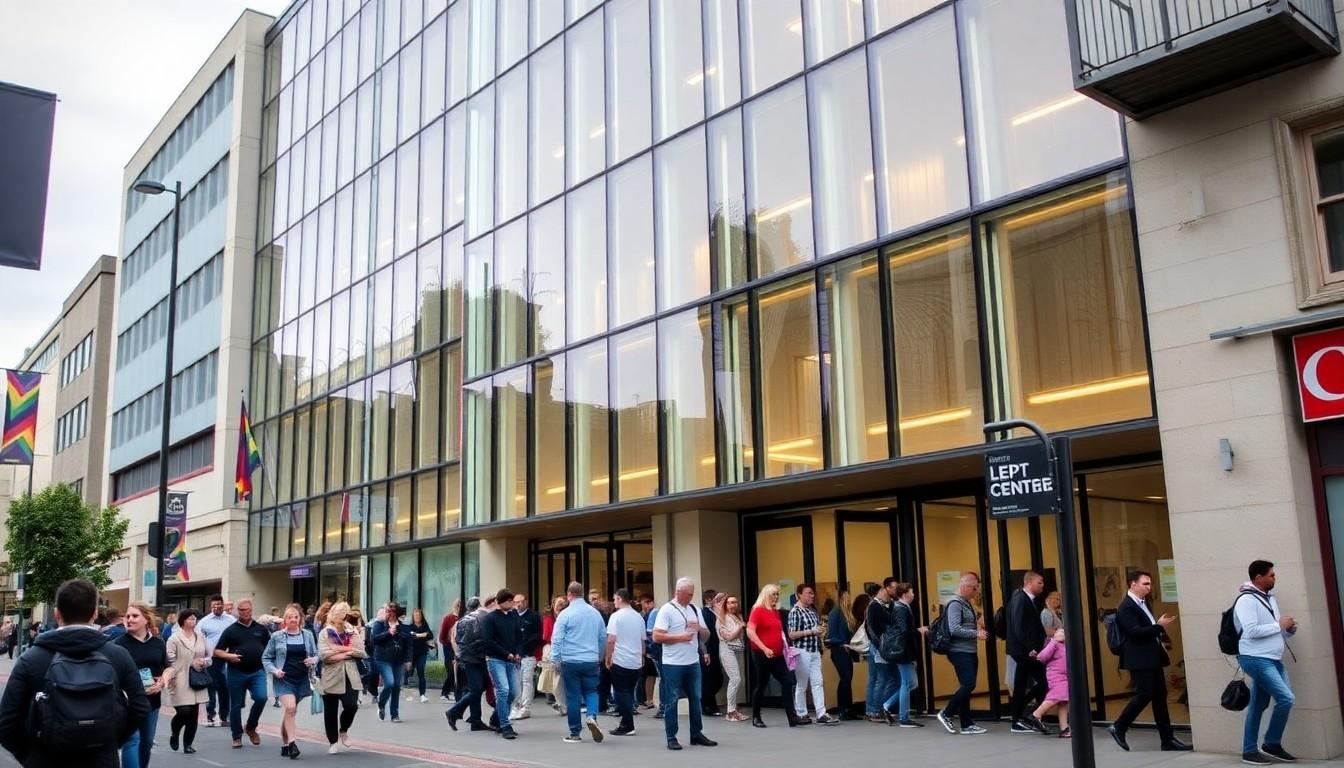
Activists and allies gathering in Dublin are calling for a national plan to combat hate, as online abuse and polarising rhetoric continue to affect LGBTQ+ people across Ireland and beyond.
Essential Takeaways
- Dublin gathering: More than 400 LGBTQ+ activists and allies are meeting for ILGA-Europe's annual conference.
- Online harm: LGBTQ+ young people face significant abuse online, with lasting effects on wellbeing and identity.
- Coordinated response: Campaigners want Ireland to create a National Action Plan to Combat Hate.
- Beyond policing: Proposed solutions include education, media literacy, community investment and stronger accountability.
- A wider warning: Organisers say algorithms and online networks are helping hostile narratives reach mainstream audiences.
Dublin becomes a meeting point for LGBTQ+ action
Dublin is hosting a major European LGBTQ+ gathering this October, bringing together more than 400 activists, campaigners and allies from Europe and Central Asia. The ILGA-Europe Annual Conference is being hosted by Outhouse LGBTQ+ Centre and LGBT Ireland, with the movement's 30th anniversary adding extra significance to the event.
The conference offers a practical space for organisations to compare strategies, share lessons and plan future campaigns. Its theme, "Resist and Rise", captures the mood neatly: the movement is confronting a harsher political and digital climate, but isn't stepping back. ILGA-Europe's conference programme has long focused on strengthening cooperation among equality groups across the region.
Why online abuse is becoming a central concern
For LGBTQ+ young people, online spaces can be lifelines for friendship, information and self-discovery. They can also become exhausting and frightening, particularly when abuse arrives at the same time as someone is trying to understand their identity. Research and reporting on LGBTQ+ youth wellbeing show that digital hostility can leave effects that linger well beyond the original incident.
The concern isn't simply that offensive posts exist. Activists say social platforms can amplify inflammatory material, allowing misinformation and anti-LGBTQ+ narratives to travel quickly. Academic research has also examined how online communities and recommendation systems can contribute to the spread of extremist or hostile content, making the digital environment difficult to navigate safely.
The manosphere has moved into the mainstream
One focus of discussion in Dublin was the so-called manosphere, a loose collection of online communities built around claims that equality threatens men's rights. While the term covers a broad range of spaces and views, campaigners are particularly concerned about rhetoric that turns resentment towards women and minorities into a political identity.
Social media algorithms can give such messages a much larger audience than they might otherwise find. Content that provokes anger tends to travel well, and repeated exposure can make extreme claims seem ordinary. That's especially troubling for younger users, who may encounter these ideas before they've developed the tools to assess them critically.
The problem is therefore cultural as well as technological. Tackling it means looking at how platforms operate, how schools teach digital citizenship and how public figures respond when divisive claims gain traction.
Campaigners want a national plan, not scattered fixes
LGBTQ+ organisations argue that Ireland's response to hate has been too fragmented. Their proposed National Action Plan to Combat Hate would bring policy, funding, education, support services and accountability into one coordinated framework, rather than treating each incident as an isolated problem.
Anne Byrne, chief executive of LGBT Ireland, said the country has an opportunity to show leadership through education, community investment and effective laws. Liam Herrick, chief commissioner of the Irish Human Rights and Equality Commission, similarly argued that criminal justice measures alone wouldn't address the conditions that allow hate to grow.
That distinction matters. Legal remedies are important, but they don't replace prevention, support or public education. The campaigners' wider message is that responsibility should sit clearly with a lead government department, so progress can be tracked and promises don't disappear between agencies.
What a useful response could look like
A serious strategy would need to be visible in everyday life. That could mean better support for LGBTQ+ services, clearer routes for reporting abuse, media-literacy education in schools and practical guidance for people dealing with online harassment. It would also require stable funding, because community organisations can't plan long-term work around short-term grants.
Families, teachers and youth workers have a role too. A young person experiencing online abuse may not immediately describe it as hate, and they may worry that speaking up will expose them to more attention. Calm, informed support can make a difficult moment feel less lonely.
The conference's most important contribution may be its insistence that this is a whole-society issue. As LGBTQ+ organisations continue to compare experiences across Europe and Central Asia, Ireland's next step will be judged not only by what it says, but by whether it builds a durable plan that people can feel in their communities.
A coordinated response could turn concern into practical protection.
Source Reference Map
Story idea inspired by: [1]
Sources by paragraph: