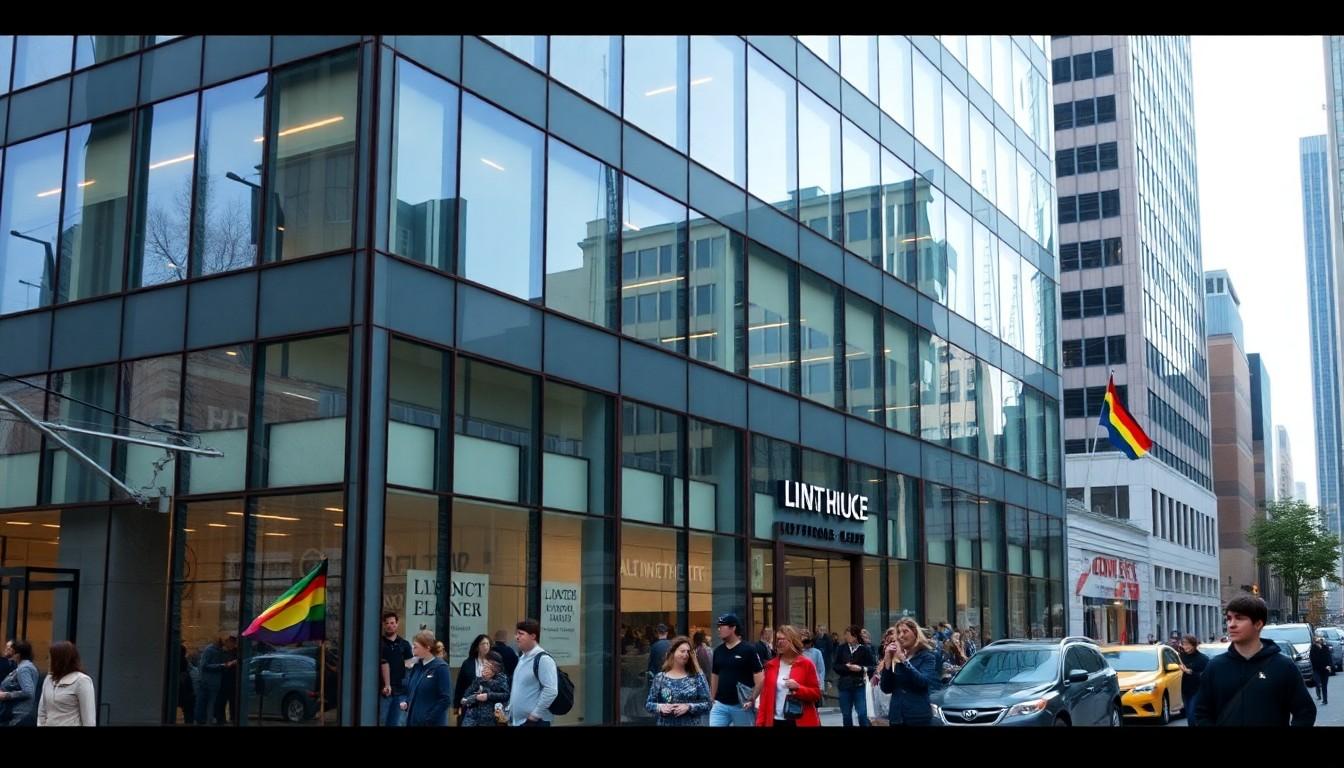
LGBTQ+ adults are becoming more visible while feeling less secure, according to new Human Rights Campaign Foundation findings in the United States. Released before National Coming Out Day, the research highlights a striking tension: openness can build support for equality, yet political hostility is making many people, particularly transgender and gender-expansive adults, more cautious.
Essential Takeaways
- Openness is rising: One-third of surveyed LGBTQ+ adults said they were more open about their identities than two years ago.
- Safety concerns remain strong: More than half said the political climate made them less likely to be open.
- Trans people feel the pressure most sharply: Seven in ten transgender and gender-expansive respondents reported the same concern.
- Visibility still matters: Most respondents believed openly LGBTQ+ people help build support for equal rights.
- Coming out is personal: The Human Rights Campaign stressed that nobody should feel pressured to disclose their identity.
Visibility is growing, but so is caution
The most striking detail in the latest LGBTQ+ coming out survey is the contradiction at its centre. People are finding more ways to live openly, but many are also weighing the risks more carefully before doing so.
According to The Advocate, 85 per cent of respondents described themselves as at least somewhat open about their LGBTQ+ identities. Around one-third said they were more open than they had been two years earlier, while 22 per cent said they had become less open. The figures suggest progress hasn't disappeared, but it no longer feels straightforward.
Younger adults appear to be driving much of the movement towards visibility. About 40 per cent of respondents aged 18 to 34 said they were more open than before, a sign that identity and community may be becoming easier to discuss in some settings. Still, a softer, quieter form of caution is clearly shaping everyday decisions.
Why the political climate feels different
The survey also captures the emotional cost of a harsher public debate. Fifty-six per cent of LGBTQ+ adults said the political climate had made them less likely to be open, a figure that rose to 70 per cent among transgender and gender-expansive adults.
That concern reflects wider warnings from the Human Rights Campaign. Earlier reporting from the organisation described heightened fears for personal safety among LGBTQ+ Americans amid attacks on transgender healthcare and renewed political targeting. CBS News and Axios likewise reported on the group's declaration of a state of emergency, placing the coming-out figures within a broader climate of anxiety.
For many people, openness isn't a single announcement. It's deciding whether to correct a colleague, bring a partner to an event or mention family life in casual conversation. When those ordinary moments begin to feel risky, even people who are proud of who they are may choose discretion.
Acceptance appears to be slipping
Respondents also sensed a decline in public acceptance. Seventy-eight per cent believed acceptance of transgender and non-binary people had worsened over the previous two years, while 45 per cent saw a similar decline for lesbian, gay and bisexual people.
Research cited by the Human Rights Campaign has linked political attacks and restrictions on gender-affirming care with increased fear and distress among LGBTQ+ adults. PBS NewsHour's coverage of the organisation's state-of-emergency warning similarly showed how policy debates can spill into daily life, affecting whether people feel safe at work, at home or in public.
That doesn't mean every community is moving backwards in the same way. Pride events, workplace networks and local support groups remain important sources of belonging. But the contrast is stark: public visibility can be empowering, while the surrounding environment may still feel hostile.
Coming out should never be a test of courage
The findings make one point especially clear: coming out can have political impact, but it remains an individual choice. Human Rights Campaign president Kelley Robinson said that the decision is deeply personal and should happen on each person's own timeline, rather than according to pressure from politicians, campaigners or even allies.
That advice matters for families, friends and employers as much as it does for LGBTQ+ people. A supportive response can be simple: listen, avoid intrusive questions and let the person decide what happens next. Practical support, such as respecting names and pronouns or challenging casual discrimination, often says more than a dramatic declaration of solidarity.
The Human Rights Campaign's research on LGBTQ+ workers has also emphasised the importance of diversity, equity and inclusion efforts. Safe workplace policies don't remove wider political pressure, but they can give people one reliable place where openness doesn't feel like a gamble.
From community connection to civic action
Despite the fear, respondents still saw visibility as a route to change. Ninety-two per cent agreed that having more openly LGBTQ+ people helps build public support for equal rights and protections, while nearly half had attended Pride or another large community event during the previous year.
The Advocate reported that the Human Rights Campaign was urging people to carry that sense of connection into the midterm elections. It's a familiar strategy, but the survey gives it a sharper edge: visibility isn't only about being seen, it's also about building relationships strong enough to withstand political pressure.
There is no single answer to a difficult moment like this. Some people will speak publicly, others will rely on trusted friends or private community spaces. Both choices are valid. What matters is that openness remains an option, not an obligation.
A safer future starts with support that lets people choose when, how and whether to be visible.
Source Reference Map
Story idea inspired by: [1]
Sources by paragraph:
- Paragraph 1: [2], [4]
- Paragraph 2: [3], [5]
- Paragraph 3: [6], [7]
- Paragraph 4: [2], [3]
- Paragraph 5: [4], [5]
- Paragraph 6: [6], [7]
- Paragraph 7: [2], [3]
- Paragraph 8: [4], [5]
- Paragraph 9: [2], [6]
- Paragraph 10: [3], [4]
- Paragraph 11: [5], [7]
- Paragraph 12: [2], [3]
- Paragraph 13: [4], [6]
- Paragraph 14: [5], [7]