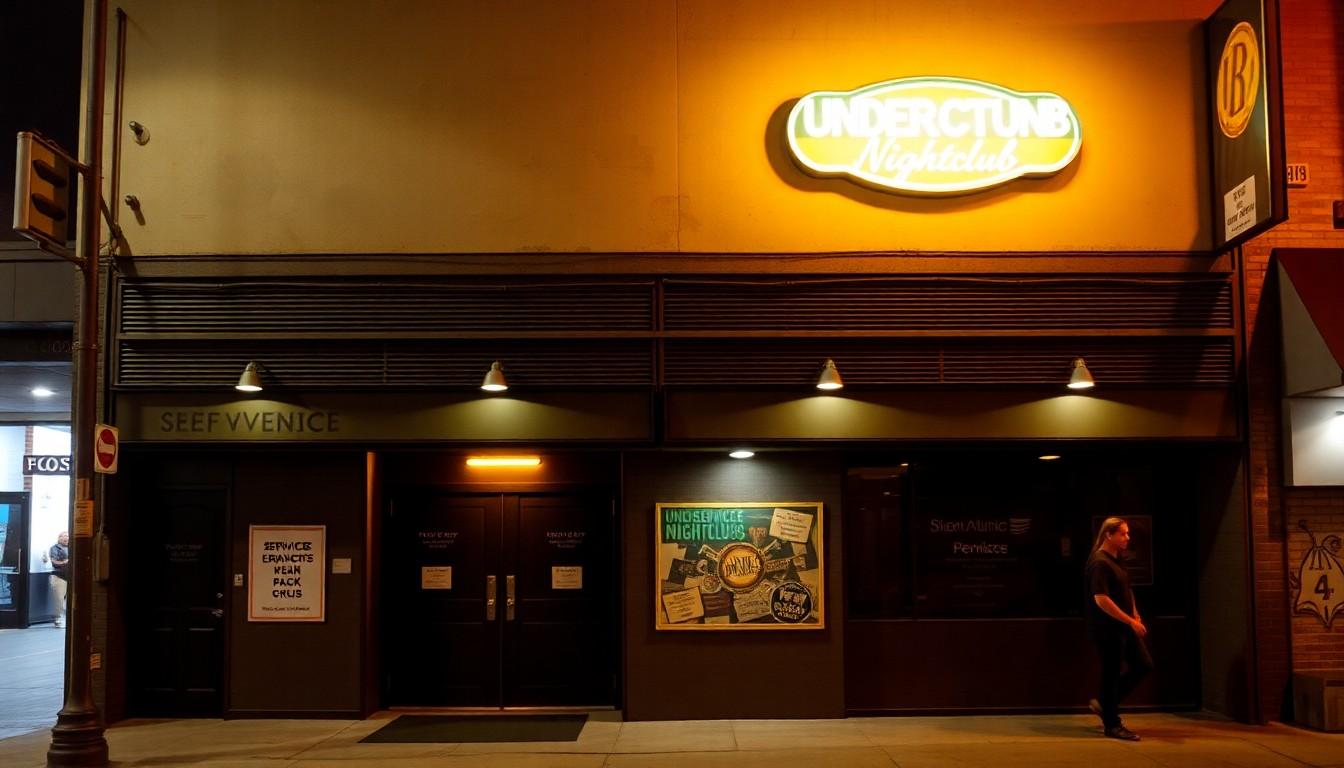
Partygoers are finding music, friendship and breathing room at Trans*cendent, a Los Angeles dance night created by and for trans women and their allies. But with warehouse hire costs climbing and attendance staying deliberately intimate, this joyful underground refuge is now fighting to survive.
Essential Takeaways
- A rare safe space: Trans*cendent centres trans women, queer DJs and community care.
- More than a dance floor: Guests can find harm-reduction supplies, all-gender toilets, vendors and a quiet room.
- Small by design: Attendance often stays below 150 people, making rising venue costs especially difficult to absorb.
- Safety comes first: Organisers provide free water, naloxone, testing kits and trained security.
- A wider nightlife problem: Los Angeles' independent dance scene is under pressure as affordable spaces disappear.
A dance floor where trans women can finally exhale
The most striking thing about Trans*cendent isn't simply the pounding bass. It's the visible release in the room: shoulders dropping, strangers smiling, and people moving without constantly checking who might be watching. For a few hours, the party offers something many nightlife venues still fail to provide - the uncomplicated feeling of belonging.
That atmosphere is carefully made. The event began in 2023 after its organisers noticed how few nightlife spaces were designed with trans people in mind. As LA's queer underground continues to evolve, specialist events such as Trans*cendent are helping fill a gap highlighted by coverage of the city's new queer club culture in DJ Mag Asia.
The event's locations are usually kept private until shortly before the party, with details shared only with ticket holders. That approach protects the community while preserving the slightly illicit thrill of an underground rave. It also means the night feels less like a conventional club booking and more like a gathering assembled by word of mouth.
Why the music feels different
Trans*cendent gives queer and trans DJs room to shape the night on their own terms. The sound can move from fast, bruising techno to distorted trance, hard groove, donk and other hybrid styles that don't always fit neatly into a mainstream club timetable.
That looseness matters. Rather than treating the DJ as a distant performer, the party puts equal weight on the crowd, the lighting and the shared mood. Custom effects and live visuals help turn the warehouse into something warmer and stranger than a standard dance venue.
Los Angeles' independent electronic scene has long relied on flexible, informal spaces, but those spaces are becoming harder to secure. Wider reporting on local dance closures has also shown how rising costs and shrinking venue options are reshaping the city's cultural life, from clubs to contemporary performance companies.
Small details make the night feel welcoming
The strongest parts of Trans*cendent may happen away from the main speakers. Guests can browse queer-run stalls, pick up zines and accessories, visit a piercing booth, or retreat to a chillout room when the crowd becomes too much. All-gender toilets and a gaming area add to the sense that the event has been designed around people rather than revenue per square metre.
Practical care is just as important. The organisers offer free water, condoms, naloxone and drug-testing supplies, while trained staff focus on de-escalation and conflict resolution. Those measures won't make headlines in the same way as a spectacular DJ set, but they can determine whether a night feels genuinely safe.
For anyone searching for queer nightlife in Los Angeles, the lesson is useful: look beyond the line-up. A well-run event should make its welfare policies clear, provide easy access to water and have staff who understand the needs of the community they're welcoming.
Why the business model is so fragile
Trans*cendent keeps entry affordable through sliding-scale pricing for trans guests, and nobody is turned away solely because they can't pay. That's vital, but it leaves organisers trying to balance accessibility with warehouse fees, equipment costs, security and artist payments.
The maths is particularly unforgiving because this isn't a huge commercial rave. Attendance can stay below 150 people, while venues increasingly expect prices that only make sense for much larger crowds. Even when a landlord offers a discount, the organisers can still face a sizeable shortfall.
That tension sits at the heart of the event's current danger. The community values the party precisely because it isn't chasing scale, yet the economics of Los Angeles nightlife often reward bigger rooms, louder promotion and higher ticket prices. Smaller, more thoughtful gatherings are left performing an impossible balancing act.
A rare refuge worth protecting
For regulars, Trans*cendent has become a place where arriving alone doesn't necessarily mean staying alone. The party's organisers, bartenders, DJs and security team help create the kind of familiarity associated with older queer bars, even though the event moves between temporary venues.
Its importance also reflects a broader shortage. The Lesbian Bar Project has documented the steep decline in dedicated venues for queer women in the United States, while newer directories and event listings show how much of today's community life has shifted towards pop-ups, parties and temporary spaces. Trans*cendent belongs to that more nimble, more vulnerable model.
The future is uncertain, but its appeal is plain. When a crowded room lets people feel ordinary, visible and unthreatened at the same time, that's not a minor nightlife perk. It's a form of infrastructure - fragile, handmade and worth defending.
It's a small rave with a big purpose: making room for people to dance freely.
Source Reference Map
Story idea inspired by: [1]
Sources by paragraph:
- Paragraph 1: [6]
- Paragraph 2: [6]
- Paragraph 3: [4], [5]
- Paragraph 4: [6]
- Paragraph 5: [6]
- Paragraph 6: [7]
- Paragraph 7: [6]
- Paragraph 8: [4], [5]
- Paragraph 9: [6]
- Paragraph 10: [6]
- Paragraph 11: [7]
- Paragraph 12: [2], [3]
- Paragraph 13: [4], [5]
- Paragraph 14: [6]
- Paragraph 15: [5], [7]
- Paragraph 16: [6]
- Paragraph 17: [2], [3]
- Paragraph 18: [4], [5]