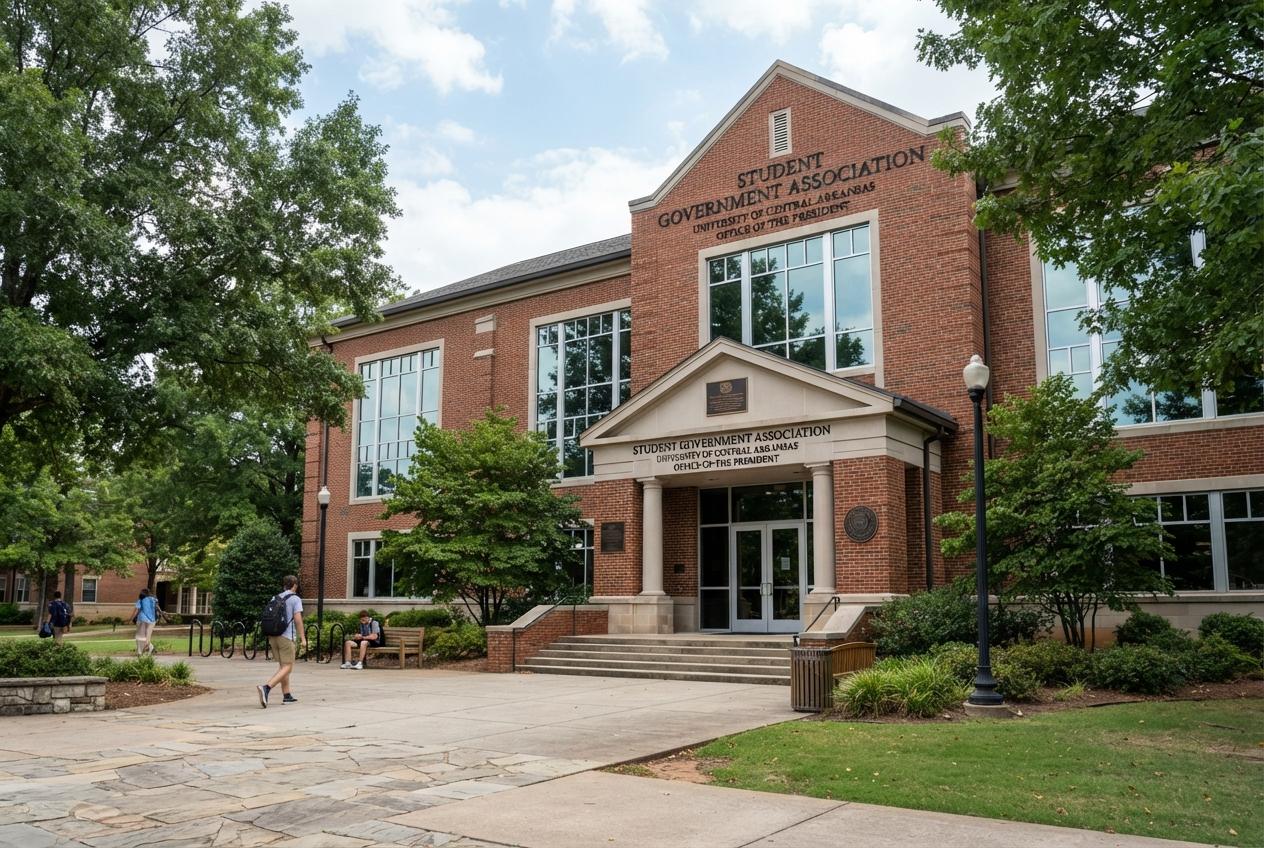
Students at George Washington University now have a permanent LGBTQ+ caucus within the Student Government Association, created to amplify queer voices, monitor campus protections and build stronger links between student organisations and university leaders.
Essential Takeaways
- Permanent structure: The caucus has been established through legislation and a bylaw amendment, helping it continue beyond one SGA term.
- Wider remit: Members can recommend legislation, organise activity and raise concerns with university officials.
- Community focus: Supporters say it could connect students who feel isolated, while existing groups already provide much of the social programming.
- Political backdrop: The move follows renewed debate over federal Title IX protections for LGBTQ+ students.
- Accountability matters: Regular meetings and annual reporting are intended to stop the caucus quietly disappearing.
A new voice inside student government
The new LGBTQ+ caucus arrives at a tense moment, with federal policy changes making campus protections feel less certain for many queer students. At GW, the group is intended to offer something practical: a recognised route for raising concerns, proposing policy and keeping university leaders answerable.
Senator Cole Bowie, who helped sponsor the measure, said the caucus would show students that their rights and experiences are being actively defended. That could mean investigating concerns, coordinating events and communicating directly with officials, rather than leaving students to navigate university systems alone.
George Washington University highlights diversity, equity and inclusion as part of its institutional work, but a formal student-government channel gives those principles a more visible campus presence. It also puts representation on the agenda in a way that can survive changes in elected membership.
Why the federal backdrop matters
The timing is significant. The US Department of Education has withdrawn guidance linked to Title IX protections for transgender students, while the American Civil Liberties Union has challenged federal efforts that it says permit discrimination against LGBTQ+ pupils and students.
The Hill reported that the department rescinded earlier guidance covering transgender students. Even where a university's own policies remain in place, national changes can create uncertainty, particularly for students deciding where to seek help when a problem arises.
That is why advocates see the caucus as more than a symbolic gesture. It could monitor policy developments, gather student testimony and push for clear communication when rules change. In plain English, it gives students somewhere to turn before an issue becomes a crisis.
Community-building beyond the meeting room
Supporters also see a social role. Nwaamaka Agwu, community outreach chair for GW's Black Queer Alliance, said the university can feel isolating for students who aren't sure where to find queer community. A caucus that connects organisations and promotes events could make that landscape easier to navigate.
Still, the campus already has established groups, including Transgender and Non-binary Students and Lambda at GW Law. Their organisers have questioned whether SGA-led programming would add much if it simply repeated events that student groups already run successfully.
That tension is worth watching. The best version of the caucus won't try to replace those organisations; it will listen to them, share resources and make sure their priorities reach decision-makers. After all, community isn't created by a calendar alone.
New rules are designed to prevent a repeat of the past
GW previously had an LGBTQ+ caucus, created in 2020, but former members said it lost momentum after participation declined. Without formal duties or meeting requirements, its advocacy work faded.
The new bylaws aim to address that weakness. The caucus must meet regularly and produce an annual report, while its powers include recommending legislation and issuing executive orders within the SGA's framework. Dissolving it should also require a substantial process.
Those safeguards reflect a broader concern about student representation: a group can be approved with good intentions, then disappear when the people who created it graduate. A permanent structure doesn't guarantee results, but it creates a better chance that the work will continue.
Representation will be tested by results
Some students remain sceptical, particularly if the caucus focuses on public-facing events instead of tangible improvements. Jet Inglis, president of queer fraternity Delta Lambda Phi, said existing organisations already provide valued programming and that students may need resources more than recognition.
Cassandane Smith of Transgender and Non-binary Students pointed to another challenge: everyday campus culture, including homophobic comments directed at queer students. That suggests the caucus will be judged not only by its events, but by whether it helps tackle problems that are less visible and harder to solve.
The next step is outreach. Senator Jivan Ramesh has said he plans to work with LGBTQ+ student organisations and recruit public members. If that promise becomes regular consultation, clear reporting and measurable policy changes, the caucus could become a useful bridge between students and the university administration.
It's a promising start, but the real measure will be whether students feel heard after the headlines fade.
Source Reference Map
Story idea inspired by: [1]
Sources by paragraph:
- Paragraph 1: [2], [3]
- Paragraph 2: [4], [6]
- Paragraph 3: [1], [4]
- Paragraph 4: [2], [3]
- Paragraph 5: [1], [4]
- Paragraph 6: [1], [4]
- Paragraph 7: [1], [6]
- Paragraph 8: [1], [7]
- Paragraph 9: [1], [4]
- Paragraph 10: [1], [5]
- Paragraph 11: [1], [6]
- Paragraph 12: [1], [4]
- Paragraph 13: [1], [7]
- Paragraph 14: [1], [4]
- Paragraph 15: [1], [6]
- Paragraph 16: [1], [5]
- Paragraph 17: [1], [4]
- Paragraph 18: [1], [7]
- Paragraph 19: [1], [4]
- Paragraph 20: [1], [6]
- Paragraph 21: [1], [7]