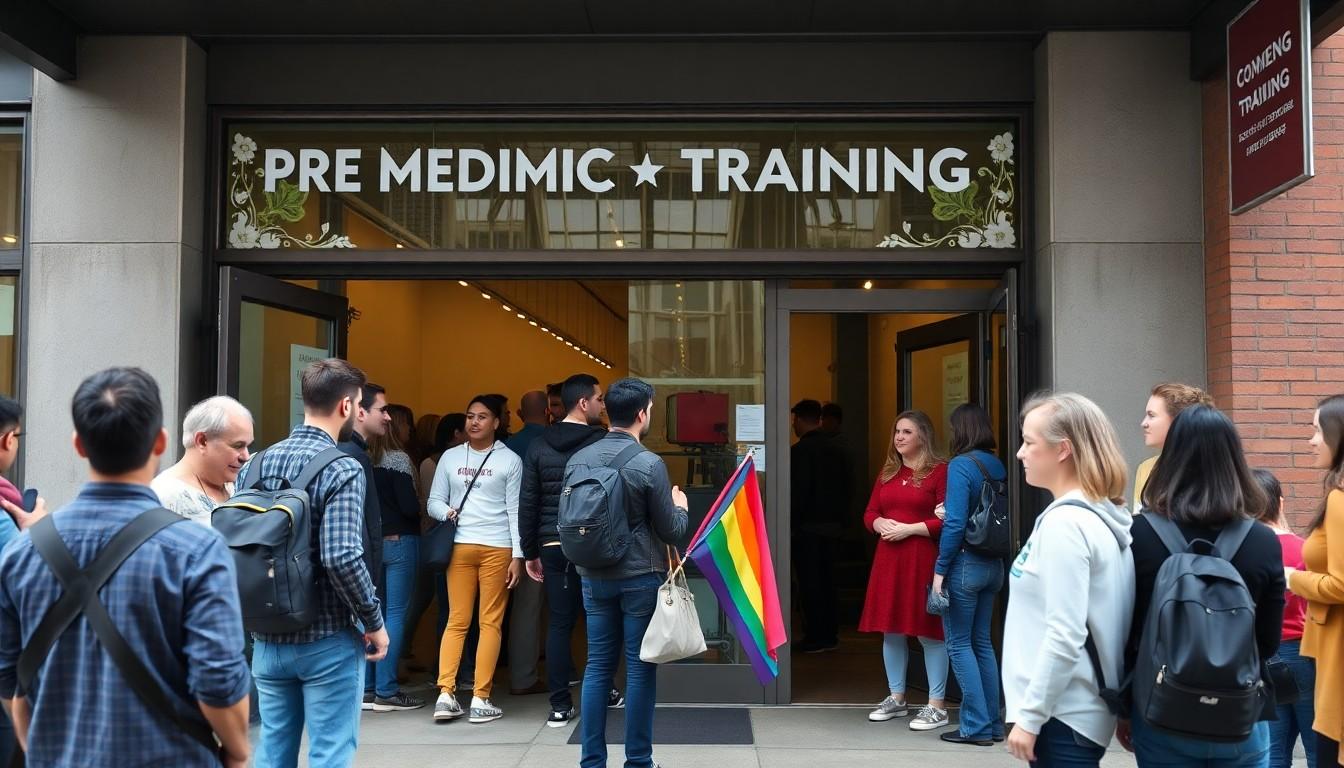
Community leaders, activists and advocates across the United States are being offered free storytelling and media training through GLAAD’s work with LGBTQ communities of colour. The programme focuses on shaping personal experiences into clear, persuasive messages, helping people navigate a noisy media landscape while challenging stigma, bias and misinformation affecting LGBTQ people of colour and people living with HIV.
Essential Takeaways
- Free support: The training is designed for activists, advocates and community members.
- Storytelling matters: Personal experiences can make complex social justice issues feel human and immediate.
- Practical media skills: Participants learn messaging, audience awareness and ways to work across different platforms.
- Communities of colour are central: The programme responds to discrimination and misinformation that can hit marginalised groups especially hard.
- The aim is lasting impact: Good communication doesn't stop at one interview or social post; it needs follow-through and amplification.
Personal stories can cut through the noise
A strong story doesn't need a glossy studio or a dramatic soundtrack. Sometimes it's a carefully chosen detail, a steady voice and the courage to explain what an issue looks like in everyday life.
GLAAD's training work is built around that simple but powerful idea. Its materials describe storytelling as a way to humanise LGBTQ communities and move public conversations beyond slogans, particularly when misinformation makes already difficult issues harder to understand.
For advocates from communities of colour, that personal element can be especially important. It gives people space to speak for themselves rather than allowing outsiders, headlines or political talking points to define their lives.
What the free activist media training covers
The programme is designed to help participants develop a clear message, understand who they're speaking to and choose the most effective way to reach that audience. That can mean preparing for an interview, refining a public statement or learning how to keep a campaign consistent across social media and news coverage.
GLAAD's institute describes its wider work as practical education for people who want to become more confident and effective public communicators. The focus isn't simply on sounding polished. It's on being prepared when a conversation turns difficult, a question lands badly or a misleading claim starts travelling fast.
That makes the training useful beyond traditional media. A community meeting, livestream or short video can all shape public opinion now, and each calls for slightly different choices around tone, timing and detail.
Why representation changes the conversation
LGBTQ people of colour and people living with HIV can face overlapping forms of stigma and exclusion. When public discussion ignores those intersections, even well-intentioned campaigns can leave important experiences out of frame.
GLAAD's communities of colour work places those voices closer to the centre. The organisation's resources and action materials encourage people to challenge harmful narratives while supporting more accurate, inclusive representation.
There is a practical benefit here, too. Audiences are more likely to listen when a message feels grounded rather than manufactured, and a familiar voice can make a complicated issue feel less remote. Your lived experience may be the detail that makes someone pause and reconsider.
How to prepare before telling your story
Start by deciding what you want people to remember. One clear point is usually more effective than trying to explain everything at once, particularly when you're speaking to a busy audience or responding under pressure.
It also helps to separate what happened from what you want the audience to do next. A brief personal example can establish trust, while a direct request gives the story somewhere to go. Practise saying both aloud, so the wording feels natural rather than memorised.
Safety matters as well. Think about what you're comfortable sharing, whether identifying details could put you or someone else at risk, and which platforms offer the right level of control. Effective advocacy shouldn't require surrendering your privacy.
Building confidence for the next public moment
Media training can't remove the nerves that come with speaking publicly, but it can make them easier to manage. Knowing your key message, anticipating difficult questions and understanding how a story may be edited can bring a reassuring sense of control.
GLAAD's broader consulting and training work reflects a growing demand for these skills as advocacy increasingly happens across newsrooms, social feeds and community spaces. The message has to travel, but it also needs to remain accurate and respectful along the way.
That long-term approach is perhaps the most valuable lesson. One powerful interview can open a door, but consistent follow-up helps keep the conversation moving and prevents a moment of attention from disappearing into the scroll.
A clear, authentic voice can still be a formidable tool, especially when it belongs to someone too often spoken about rather than heard.
Choose the message that feels true, then give it room to travel.
Source Reference Map
Story idea inspired by: [1]
Sources by paragraph:
- Paragraph 1: [2], [3]
- Paragraph 2: [3], [4]
- Paragraph 3: [2], [5]
- Paragraph 4: [4], [6]
- Paragraph 5: [2], [7]
- Paragraph 6: [3], [4]
- Paragraph 7: [2], [5]
- Paragraph 8: [6], [7]
- Paragraph 9: [3], [4]
- Paragraph 10: [5], [6]
- Paragraph 11: [2], [3]
- Paragraph 12: [4], [6]
- Paragraph 13: [3], [5]
- Paragraph 14: [2], [7]
- Paragraph 15: [4], [6]
- Paragraph 16: [3], [5]
- Paragraph 17: [2], [4]