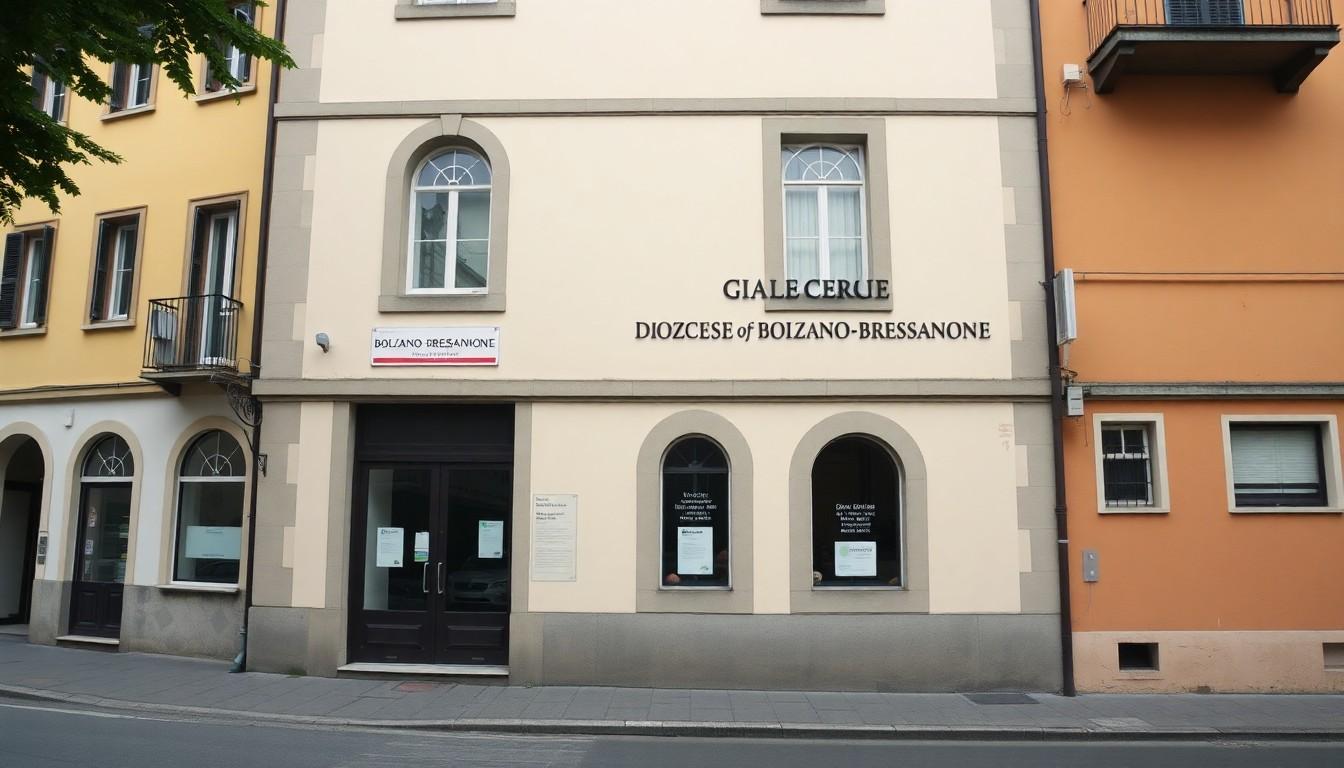
People in Bolzano are being offered faith-sensitive support around coming out, as a diocesan group works with LGBTQ+ believers, relatives and the wider community to encourage listening, dignity and less fear. The initiative arrives alongside Coming Out Day and a project preserving queer stories from South Tyrol.
Essential Takeaways
- A pastoral response: The Diocese of Bolzano-Bressanone has created a group focused on faith, sexuality and support.
- Families matter: Relatives may need guidance too, particularly where Catholic faith remains important.
- A wider cultural project: Personal stories are being shared through a South Tyrolean queer-history initiative.
- Change is gradual: Advocates say Italian dioceses are beginning to address homophobia, although progress remains uneven.
- Support should feel safe: Listening, respect and clear information are central to the approach.
Coming out can be especially complicated for believers
Coming out is rarely a single conversation. For LGBTQ+ people who are active in a faith community, it can also carry questions about belonging, family expectations and whether a familiar place of worship still feels safe.
That is the gap the Bolzano-Bressanone diocese's "fede & queer" working group is trying to address. According to ANSA, the group brings together lay participants and queer people to provide welcome, conversation and practical support around a deeply personal moment.
The emphasis is deliberately human rather than abstract. Instead of treating sexuality as a theological argument, the group focuses on the person sitting in front of it, and on the fear that can make an already difficult disclosure feel even heavier.
A new approach puts listening before judgement
The initiative is linked to "Sempre qui. Storia queer dell'Alto Adige", a project created by director Martine De Blasi and social cooperative Eklektika. The project collects and makes visible queer life stories in South Tyrol, giving Coming Out Day on 11 October a local, lived-in dimension.
The Alto Adige report also highlighted the message behind the campaign: prejudice has no place in the Church. That may sound simple, but for people who have encountered rejection or silence, a clear statement can carry real weight.
The group is coordinated by Renate Rottensteiner, head of adult pastoral care at the diocese. Speaking to ANSA, she said the Church must help restore dignity to people who have previously been hurt by it. That acknowledgement is significant because trust isn't rebuilt by slogans alone; it grows through patient, consistent behaviour.
Why relatives need support as well
A coming-out conversation affects more than the person sharing their identity. Parents, grandparents, siblings and friends may all need time, reassurance and somewhere to ask awkward questions without turning that uncertainty into blame.
Rottensteiner told ANSA that older family members can remain strongly connected to the Church even when younger people are less involved. For that reason, the group's work includes the family circle, not just the LGBTQ+ person at its centre.
That is practical pastoral care. Families may need help understanding what they've heard, while LGBTQ+ people need confidence that their relatives won't respond with shame or panic. A calm, informed conversation can make a home feel less like a testing ground and more like a place of safety.
Italy's Church is moving, but slowly
The wider backdrop is the Italian Church's five-year synodal process, launched between 2020 and 2025. According to the group's account, the process has encouraged dioceses to work against homophobia, while also revealing how differently the issue is being approached across Italy.
Rottensteiner described progress as real but modest compared with developments in German-speaking settings. She also pointed to a national meeting in Rome where people involved in pastoral work concerning same-sex relationships met to compare experiences and discuss what is happening in different dioceses.
Other organisations, including queer-support networks in South Tyrol, show that the initiative sits within a broader local ecosystem rather than operating in isolation. The result is less a sudden transformation than a series of small doors opening, one conversation at a time.
What supportive faith communities can do next
For anyone seeking help, the most useful starting point is a service that listens without demanding a particular conclusion. A good conversation should allow people to describe their identity in their own words, ask questions safely and decide what happens next at their own pace.
Families can help by avoiding rushed reactions, resisting the urge to debate and making one thing clear: the relationship still matters. Support groups and trained pastoral workers can provide a steadier setting when emotions at home are raw.
The Catholic network Centaurus and other community organisations offer examples of how pastoral and peer support can complement one another. The outlook is cautiously hopeful, but the measure of progress will be everyday experience: who feels welcomed, who feels heard and who no longer expects the door to close.
Small acts of listening can make a difficult conversation feel far less lonely.
Source Reference Map
Story idea inspired by: [1]
Sources by paragraph: