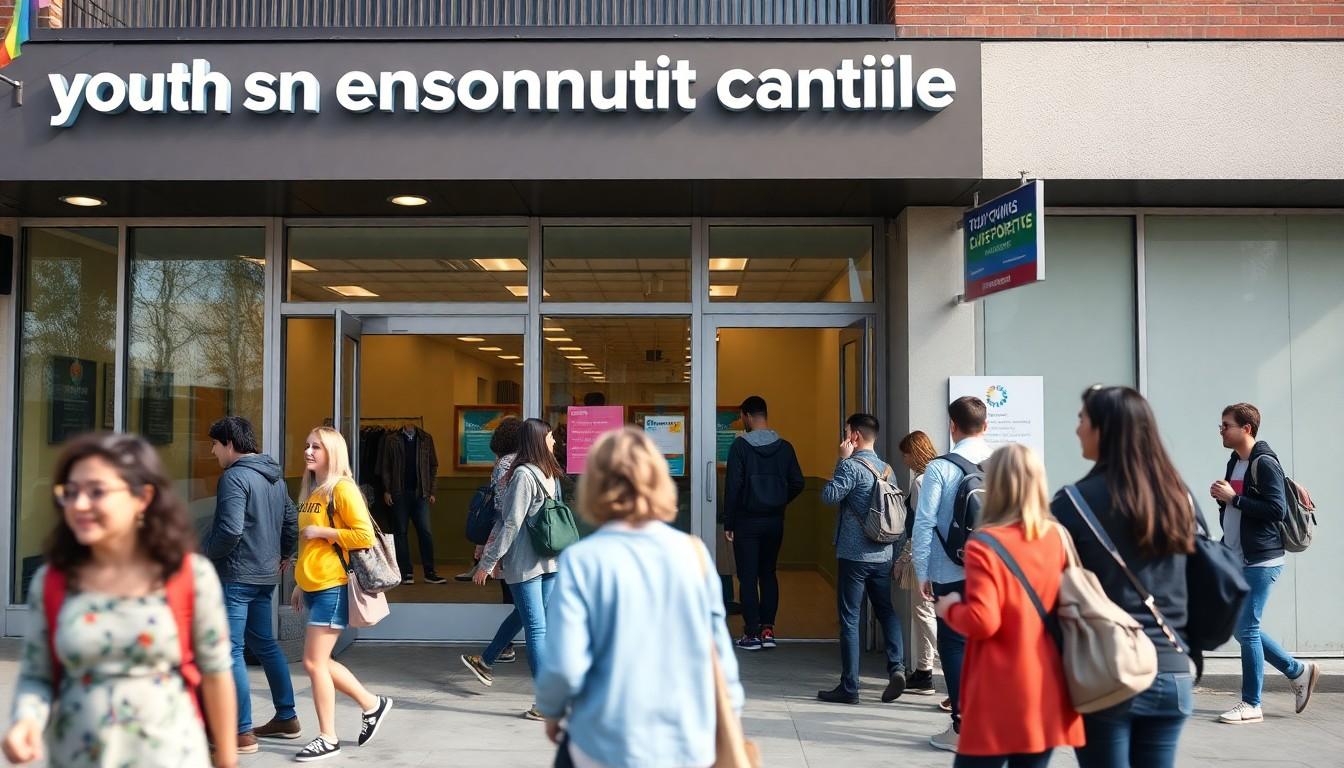
People are going purple for Spirit Day on Thursday 15 October, turning a simple colour into a visible stand against bullying. Organised by GLAAD, the annual campaign brings schools, families, workplaces and communities together to support LGBTQ youth, promote safer spaces and remind young people that they’re seen, valued and able to thrive.
Essential Takeaways
- Go purple: Wear purple, decorate a shared space or post a supportive message.
- Make safety practical: Clear anti-bullying rules, trusted reporting routes and trained staff matter.
- Listen without judgement: Young people need adults who take harassment seriously and respond calmly.
- Support wellbeing: Counselling, peer groups and crisis resources can make a meaningful difference.
- Turn one day into action: Pledges are useful, but inclusion needs to continue throughout the year.
Why Spirit Day still matters
Purple shirts, badges and social posts can look like small gestures, but on Spirit Day they create a powerful visual chorus. GLAAD describes the campaign as a global anti-bullying effort supporting LGBTQ youth, many of whom face disproportionate levels of harassment and exclusion.
That visibility matters because representation isn't just about seeing a familiar face on screen. It also means knowing that a school, workplace or family is prepared to stand up for you when things become difficult. The CDC links hostile environments with poorer health outcomes for LGBTQ young people, making everyday safety more than a slogan.
A safer school starts with clear rules
The most useful support isn't vague encouragement. Schools need anti-bullying policies that explicitly cover sexual orientation and gender identity, alongside staff training, consistent consequences and a reporting process that students can trust.
Supportive groups, including Gay-Straight Alliances and other LGBTQ-inclusive student networks, can help young people find community. They also give allies a practical way to participate, rather than leaving LGBTQ students to carry the entire conversation themselves.
A good starting point is to ask three simple questions: Who can a student tell? What happens next? And how quickly will an adult respond? If the answers are fuzzy, the policy probably needs work.
Families and communities have a role too
Parents don't need perfect language to be supportive, but they do need to listen. A calm response, a willingness to learn and a clear message that bullying isn't the young person's fault can be deeply reassuring.
Community groups, LGBTQ centres and organisations such as PFLAG can offer guidance for families who are finding their feet. GLAAD also encourages people to share educational resources, volunteer locally and support organisations working with LGBTQ young people.
Sometimes the most meaningful action is wonderfully ordinary: attending a school meeting, challenging an unkind comment or making sure a young person knows where to find help. Small moments build trust.
Social media can amplify support and harm
Online platforms offer young people visibility, connection and examples of LGBTQ lives being lived openly. They can also expose users to harassment, hateful content and misleading claims, so a purple profile picture should sit alongside sensible digital care.
Adults can help by discussing privacy settings, blocking and reporting tools, and what to do when online abuse spills into school or home life. Save evidence where appropriate, avoid encouraging pile-ons and involve a trusted adult if threats or persistent harassment appear.
The Human Rights Campaign's research on LGBTQ youth also underlines the importance of supportive networks. A warm online message won't fix a hostile environment, but it can help someone feel less isolated while practical support is arranged.
How to take part on Spirit Day
The easiest route is to wear purple and explain why. You can sign GLAAD's Spirit Day pledge, share a personal reflection or invite colleagues, classmates and friends to participate without pressuring anyone to disclose personal information.
Schools and employers might host an educational session, review their bullying policy or highlight support services. Individuals could volunteer at a local LGBTQ organisation or donate to youth-focused work if they’re able.
Most importantly, keep the momentum after the photos are gone. Spirit Day works best as a visible reminder of a longer commitment to inclusion, protection and genuine belonging.
A purple jumper starts the conversation, but consistent support is what helps it last.
Source Reference Map
Story idea inspired by: [1]
Sources by paragraph:
- Paragraph 1: [2], [4]
- Paragraph 2: [3], [7]
- Paragraph 3: [2], [3]
- Paragraph 4: [4], [6]
- Paragraph 5: [2], [6]
- Paragraph 6: [3], [7]
- Paragraph 7: [2], [6]
- Paragraph 8: [2], [3]
- Paragraph 9: [3], [7]
- Paragraph 10: [2], [4]
- Paragraph 11: [2], [6]
- Paragraph 12: [2], [4]
- Paragraph 13: [2], [6]
- Paragraph 14: [2], [3]