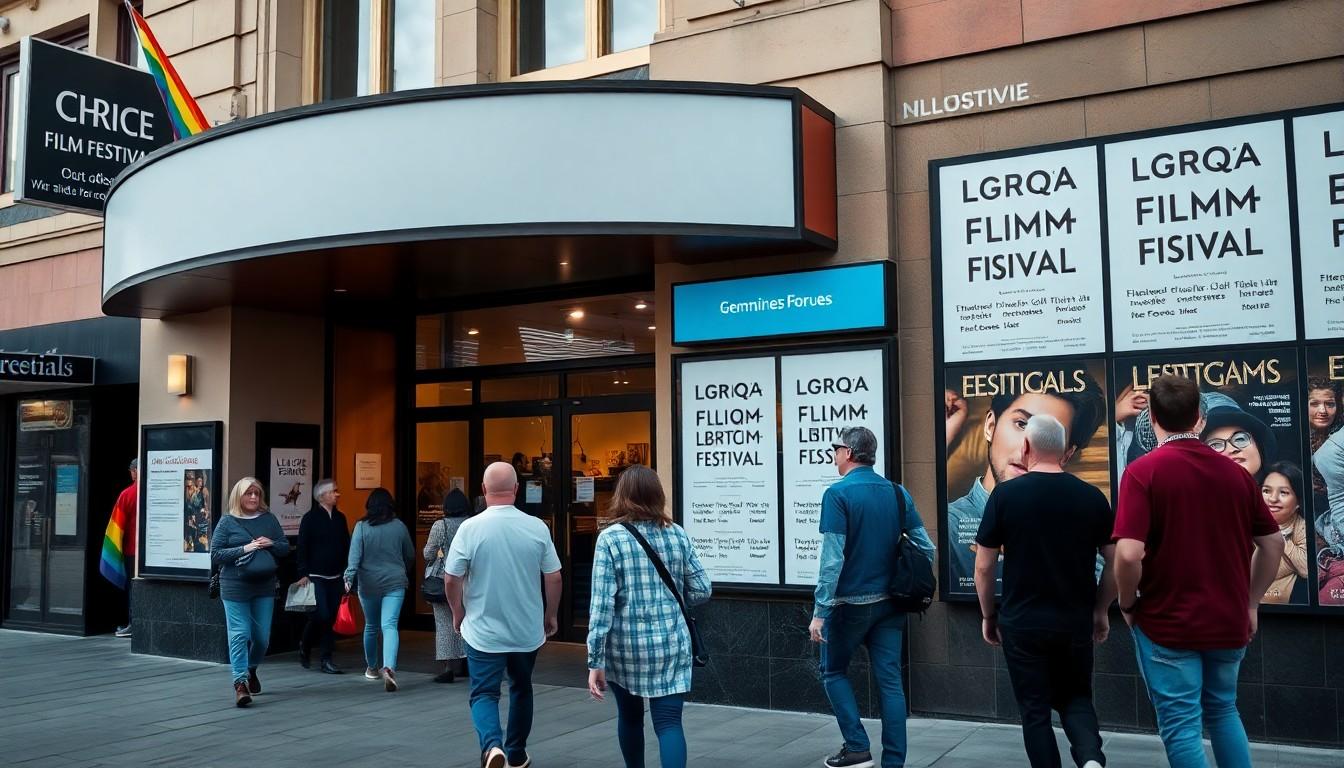
Film fans are heading to Adelaide from 14 to 25 October for a packed 2026 programme, with nine LGBTQIA+ features among 122 films from 52 countries. From tender wartime romance to sharp animation, intimate documentaries and an Australian story of transition, the selection offers plenty to talk about after the credits roll.
Essential Takeaways
- Nine LGBTQIA+ features: The selection spans animation, drama, documentary and personal cinema.
- International scope: Films come from countries including France, Belgium, India, Myanmar, Argentina, Mexico, the UK and Australia.
- Big festival pedigree: Several titles arrive with recognition from Cannes, including Coward and Flesh And Fuel.
- Strong local voice: Australian film Sweet Milk Lake brings questions of identity, family and rural belonging close to home.
- Tickets matter: Session times and booking details are available through the Adelaide Film Festival website.
Adelaide's 2026 queer film programme goes far beyond one mood
The strongest feature of the Adelaide Film Festival 2026 LGBTQIA+ selection is its range. One moment, audiences are in a stylised Paris comedy with a muscle-bound online celebrity; the next, they're facing the emotional devastation of war, illness or family conflict.
That variety matters. Queer cinema isn't a single genre, and this programme appears determined to prove it, moving between broad humour, sensual romance, political tension and deeply personal autobiography. The Adelaide Film Festival's wider 2026 programme includes 122 films from 52 countries, giving these nine features a rich international setting. According to the festival's programme announcement, the event runs from 14 to 25 October. [2]
From wartime tenderness to roadside desire
Lukas Dhont's Coward is one of the most immediately striking titles. Set during the First World War, it follows two soldiers whose connection grows amid violence and uncertainty. The film's Cannes recognition, including a shared Best Actor award, gives it a clear festival draw, but its real appeal is likely to be the aching intimacy at its centre.
Then there's Flesh And Fuel, a French-Polish road film set largely within the close quarters of a truck cabin. A casual encounter between two drivers develops into something more complicated, giving the film room to explore lust, loneliness and unexpected emotional exposure. Its Queer Palm Revelation award at Cannes should make it especially attractive to viewers looking for adventurous new queer cinema. [7]
For something more playful, Jim Queen turns the Paris queer club scene into a brightly coloured animated battlefield. Its clash between a flamboyant fitness influencer and a more awkward would-be hero promises plenty of absurdity, with social media vanity and political tension lurking beneath the jokes. It's the sort of film that could leave viewers laughing, slightly bewildered and ready to discuss the strangest scenes over a drink.
Stories shaped by loss, survival and memory
Ira Sachs' The Man I Love takes audiences into the AIDS crisis, focusing on an artist who finds refuge in creativity, intimacy and community. Rather than treating the period solely through tragedy, the film appears interested in the stubborn act of continuing to make art and love when fear is everywhere.
In Lovers In The Blue Night, a marriage built on pity becomes entangled with secrecy, desire and mistaken identity in Mumbai. The story's four central characters are all reaching for connection, though not necessarily in the same direction. That collision of longing and survival gives the film a classic melodramatic pull, while its social setting adds sharper stakes.
Myanmar drama Fruit Gathering also explores a relationship under pressure. Two textile workers form a bond that may become something deeper, but the surrounding political violence threatens to overwhelm private feeling. The result sounds less like a straightforward romance than a portrait of desire trying to survive in an unstable world. [3]
Personal documentaries put identity centre stage
Two of the programme's most compelling films look inward. The Way You See Me, made over a decade, follows a gender transition from the inside out. Its focus on changing presentation, class privilege and patriarchal expectations suggests a film that's as interested in society's gaze as it is in personal transformation.
Wolf turns to musician Patrick Wolf, combining archival material with an intimate conversation with Tilda Swinton. The documentary reportedly moves away from theatrical self-invention and towards vulnerability, revisiting the experiences that shaped Wolf's music and public life. For longtime listeners, that could make for a particularly emotional watch; for newcomers, it offers a route into an artist whose career has always resisted easy categories. [2]
These films also reflect a wider festival trend: queer stories are increasingly being told through hybrid forms, long-term observation and self-authored testimony. The appeal is obvious. Viewers aren't simply being told what identity looks like; they're invited to spend time with the process of becoming, remembering and reinterpreting a life.
The Australian film brings the conversation home
Harvey Zielinski's Sweet Milk Lake is the programme's Australian feature, and its premise carries an immediate emotional sting. Recently transitioned Jake returns to a rural town to see his dying father, only to be mistaken for his cisgender twin brother, Sam.
That confusion opens a painful gap between how Jake understands himself and how the people around him see him. It also gives the film a distinctive way to explore family, grief and the uneasy comforts of being recognised for the wrong reasons. The rural setting should add another layer, particularly for viewers familiar with the pressure of returning home after changing in ways others don't fully understand.
The film's inclusion alongside international titles is significant. It suggests that Australian queer cinema isn't being treated as a separate conversation, but as part of a broader global exchange about identity, belonging and truth. Industry coverage of queer film programming across Australia points to the same appetite for stories that balance personal specificity with wider social questions. [5]
How to choose your Adelaide Film Festival sessions
If you're planning a festival visit, start with tone rather than trying to see everything. Choose Jim Queen for an irreverent, visually busy night; Coward or Flesh And Fuel for intense romantic drama; and Wolf or The Way You See Me if you prefer reflective, character-led documentaries.
It's also worth checking the running times, venue locations and gaps between screenings before booking. A packed festival day sounds glamorous until you're rushing across Adelaide with half a sandwich and no idea where the next cinema is. The official festival programme and ticketing pages are the safest place to confirm session details as schedules develop. [2]
The nine-film selection should appeal to both dedicated queer-cinema audiences and curious newcomers. More importantly, it offers different ways into the conversation, whether through laughter, desire, grief, history or the quiet shock of seeing a familiar experience reflected on screen.
Explore the sessions that speak to you, then leave room for a surprise.
Source Reference Map
Story idea inspired by: [1]
Sources by paragraph: