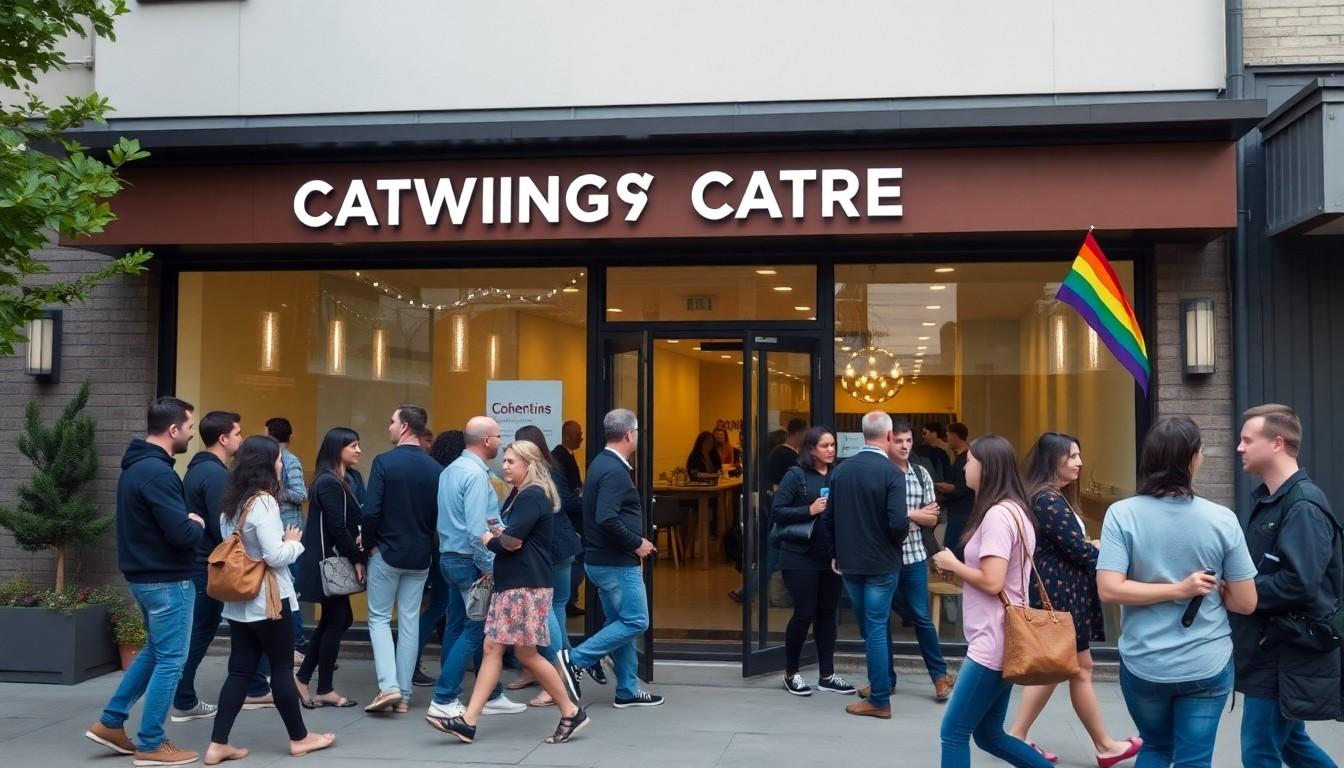
Gay men looking for serious relationships are rethinking the swipe-and-hookup routine, choosing clearer communication, relationship-focused apps and real-world communities instead. The goal isn't to reject casual sex, but to find spaces where long-term intentions are easier to spot, discuss and match, whether you're dating in a busy city or a smaller community.
Essential Takeaways
- Start with intention: Decide whether you're seeking dates, exclusivity, a long-term partner or simply more consistency.
- Choose the right setting: Relationship-led apps may offer a better fit than platforms strongly associated with casual encounters.
- Say what you mean: Clear, low-pressure language can reveal compatibility before a situationship takes hold.
- Build beyond romance: Friends, community and hobbies can ease loneliness and reduce dating from a place of scarcity.
- Look offline too: LGBTQ+ groups, sport, volunteering and shared-interest clubs create repeated opportunities to connect.
The app isn't always the problem, but the fit might be
Casual sex can be exciting, affirming and exactly right for some people. But when every conversation seems to turn into a late-night invitation and you're hoping for a boyfriend or long-term partner, the experience can feel like shouting into a very attractive void.
The wider dating-app market increasingly separates platforms by intention. Guides from Gigwise and DateScout highlight services aimed at LGBTQ+ dating and serious relationships, while other round-ups compare mainstream options that offer more space for profiles, prompts and compatibility details. That distinction matters because the design and reputation of an app can influence what users expect from one another.
There’s no rule saying you can’t meet a partner on a hookup-focused app. You can. But if the same mismatch keeps appearing, changing the environment may be more useful than blaming yourself or trying to persuade every new match to want something different.
Which dating apps are better for serious gay relationships?
A serious relationship rarely begins with a perfect algorithm. It’s more likely to develop when two people have compatible expectations, enough information to start a proper conversation and the patience to meet more than once.
Relationship-focused dating apps for gay men and LGBTQ+ singles can make that process easier by foregrounding interests, values, dating goals and longer profiles. Comparison guides from Gigwise, Bemidate and TinderProfile.ai all point towards using platforms that let users signal whether they’re interested in commitment rather than leaving everything to guesswork.
That doesn’t mean you need to abandon Grindr or Scruff if you enjoy using them. Instead, treat each platform as a different room at the party. Some rooms are better for meeting someone tonight; others make it easier to find someone who wants to plan next weekend.
For the best gay dating apps for serious relationships, look beyond download numbers. Check whether profiles allow meaningful detail, whether users can state their intentions and whether the app's atmosphere suits the pace of dating you actually want.
How to say you want a relationship without making it heavy
Being direct isn't the same as demanding commitment on a first date. It simply means giving the other person enough information to decide whether your hopes and theirs overlap.
Try language that's specific but relaxed. You might say, "I'm dating with the hope of finding a serious partner, but I want to take things at a sensible pace." That tells someone what direction you're facing without asking them to promise the destination immediately.
This kind of clarity can feel vulnerable, especially if you've previously been told you're asking for too much. In reality, learning early that someone only wants something casual can spare both of you weeks of mixed signals, hopeful interpretation and messages that arrive suspiciously late at night.
Dating app advice from DateScout and TinderProfile.ai also stresses the value of a complete, honest profile. A few well-chosen details about your interests and relationship goals can attract better conversations than a carefully polished but empty collection of photographs.
Why meeting men offline still works
Apps are convenient, but they compress people into quick decisions. Meeting through a shared activity gives you a little more texture: how someone treats a teammate, whether they listen, and whether their jokes survive contact with real life.
LGBTQ+ community groups, recreational sport, volunteering, book clubs, gaming groups, classes and mutual friends can all create those opportunities. You don't have to turn every hobby into a romantic hunt. A fuller social life is worthwhile in its own right, and romance often benefits from that relaxed foundation.
Offline connection can be especially valuable in smaller towns or rural areas, where the local dating pool may feel limited. Online communities and regional LGBTQ+ organisations can provide a bridge to wider social circles without making every interaction feel like an audition.
The pleasant surprise is that friendship may be the real starting point. Someone who doesn't become a date can still introduce you to a new group, a future flatmate or the friend who eventually knows exactly your type.
Keep loneliness from choosing on your behalf
Wanting a relationship is entirely reasonable, but a partner can't be your only source of closeness. Strong friendships, supportive family ties and community connections help make dating a choice rather than an emergency response to feeling alone.
Without that wider support, it's easy to accept a friends-with-benefits arrangement while quietly hoping it will transform. The trouble isn't casual sex itself; it’s continuing with an arrangement that leaves you disappointed because the two people involved want different things.
A useful check-in is simple: after seeing this person, do you feel content, energised and respected, or anxious and hungry for more? Your answer won't solve everything, but it can reveal whether the connection is meeting your needs or merely postponing an uncomfortable conversation.
Dating-app round-ups from DatingNav and DateScout recommend comparing platforms and approaches rather than relying on one route. The same principle applies emotionally. Keep your friendships active, make plans unrelated to dating and give yourself enough support that a bad match doesn't feel like your only chance.
When matchmaking could be the calmer option
Some people simply don't enjoy the endless scroll, ambiguous messages and repeated first dates. Professional matchmaking offers a more curated route, with relationship goals and compatibility considered before an introduction is made.
It isn't a magic shortcut, and no service can guarantee chemistry. But for someone who wants a serious gay relationship and feels worn down by mismatched app conversations, a more deliberate process may be worth exploring.
The most important shift is not finding a flawless platform. It’s becoming more precise about what you want, choosing spaces where that goal is plausible and leaving situations that repeatedly make you feel smaller. That's a healthier dating strategy than hoping the next undefined arrangement will somehow become a relationship.
It's easier to find intentional connection when your choices match your intentions.
Source Reference Map
Story idea inspired by: [1]
Sources by paragraph:
- Paragraph 1: [2], [3]
- Paragraph 2: [4], [5]
- Paragraph 3: [6], [7]
- Paragraph 4: [2], [4]
- Paragraph 5: [3], [5]
- Paragraph 6: [6], [7]
- Paragraph 7: [2], [3]
- Paragraph 8: [4], [6]
- Paragraph 9: [5], [7]
- Paragraph 10: [2], [5]
- Paragraph 11: [3], [6]
- Paragraph 12: [4], [7]
- Paragraph 13: [2], [4]
- Paragraph 14: [5], [6]
- Paragraph 15: [3], [7]