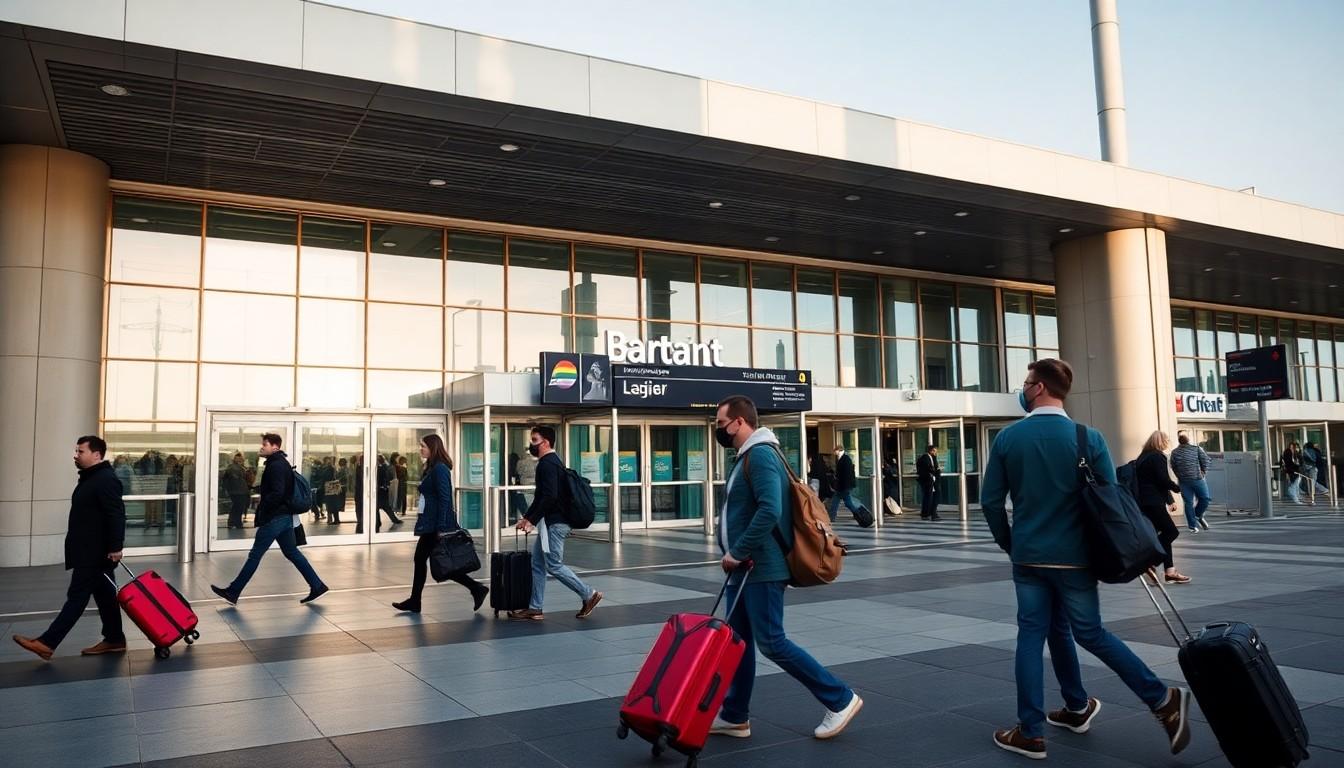
Shoppers often plan LGBTQ+ travel safety around local laws, accommodation and transport, but digital privacy deserves equal attention. From dating apps and live location posts to airport Wi-Fi and banking, your phone carries an intimate map of your life. A few practical safeguards, including a reputable VPN, can help keep that information more private abroad.
Essential Takeaways
- Your phone is highly revealing: Messages, photos, apps and location data may expose sensitive personal details.
- Public Wi-Fi needs care: Avoid banking on unsecured networks, and check that websites use HTTPS.
- A VPN can help: Encryption offers an additional layer of protection, but it isn't a complete privacy solution.
- Dating apps require discretion: Hide exact accommodation details and review location-sharing settings before departure.
- Delay social posts: Uploading photos after leaving a location reduces the amount of real-time information you reveal.
Your phone may reveal more than your passport
A passport confirms where you're from. Your phone can suggest who you love, where you sleep, who you speak to and what communities matter to you. For LGBTQ+ travellers, that digital trail can be particularly personal, especially in destinations where local attitudes or laws are less welcoming.
TravelGuard's LGBTQ+ safety guidance recommends researching a destination before departure, including its legal environment and practical risks. That advice now needs a digital companion. A device review before flying can reveal forgotten apps, automatic location permissions and sensitive files that don't need to travel with you.
Start with the basics. Remove unused apps, update your operating system, use a strong passcode and check which services can access your camera, microphone, contacts and location. That restaurant app from three summers ago probably doesn't need to follow your movements around the world.
Public Wi-Fi is convenient, but don't treat it as private
Airport lounges, hotel foyers and cafes make free Wi-Fi hard to resist. Yet travellers rarely know how a network is managed or who else is connected, so sensitive activity deserves extra caution.
OpenLGBT's digital safety guidance emphasises protecting accounts and thinking carefully about the information shared online. In practice, that means avoiding banking and other high-value transactions on unsecured networks where possible. If you must connect, confirm the network name with staff, check for HTTPS in the browser and keep your phone and apps current.
A VPN can encrypt the connection between your device and its server, making it more difficult for people on the same network to inspect your traffic. TechRadar's VPN guidance also highlights the importance of choosing a trustworthy provider rather than assuming every free service offers meaningful privacy. A VPN is useful protective kit, not a digital invisibility cloak.
Choosing a VPN for LGBTQ+ travel safety
The best VPN for LGBTQ+ travel privacy is one with a clear privacy policy, credible security practices and a track record you can investigate. Look for transparent information about logging, independent audits where available, strong encryption and reliable support. Avoid downloading an unknown free app simply because it appears at the top of an app store search.
It's also worth checking whether the service works in the countries on your itinerary, since VPN availability and internet restrictions can vary. Install and test it before leaving home, rather than trying to understand the settings while juggling a suitcase and a boarding announcement.
TravelGuard's advice supports a broader approach: research the destination, keep emergency contacts accessible and avoid assuming that one security tool solves everything. A VPN works best alongside sensible account protection, careful sharing and updated devices.
Dating apps and live posts need a little restraint
Dating apps can be useful abroad, whether you're looking for company, local advice or a date. They can also expose location, identity and relationship information. Grindr's travel safety guidance advises LGBTQ+ users to understand local conditions and take care when sharing personal details, particularly in places where LGBTQ+ people may face discrimination or criminalisation.
Before travelling, review your profile and privacy settings. Don't share your exact hotel, room number or daily route with someone you've only just met, and consider limiting location precision where the app allows it. Arrange first meetings in public places and tell a trusted person where you're going.
The same caution applies to social media. A live hotel view, street sign or boarding pass can reveal more than intended, while a post announcing your current location may tell strangers you're alone and away from home. Posting after you've left is less thrilling for the algorithm, but much kinder to your privacy.
Prepare for a lost phone or compromised account
Two-factor authentication, unique passwords and secure backups are wonderfully dull until your phone disappears. Then they become the difference between an inconvenience and a full-blown travel crisis.
Before departure, check that important accounts use unique passwords and that two-factor authentication is enabled. Know how to lock, locate or erase your phone remotely, and keep copies of passport details, insurance information, bookings and emergency contacts in a secure place. OpenLGBT's digital safety material similarly stresses account protection and careful handling of sensitive information.
Don't forget the recovery route. If your phone is stolen, you may need access to a backup email address, authentication method or trusted contact. A short preparation session at home can save hours of panic in an unfamiliar city, when your battery is at 4 per cent and your charger has mysteriously vanished.
Digital privacy belongs on the travel checklist
LGBTQ+ travel safety isn't only about choosing welcoming destinations or understanding local rules. It also means considering the digital information that crosses borders with you.
TravelGuard and Grindr both point towards preparation, discretion and awareness rather than fear. That's the sensible balance. Keep your software updated, use trusted networks, think before sharing sensitive details and treat a reputable VPN as one layer in a wider plan.
A safer digital trip doesn't require abandoning your phone or posting nothing at all. It simply means keeping a little more control over who can see your private life while you're away.
It's a small habit that can make travel feel considerably more secure.
Source Reference Map
Story idea inspired by: [1]
Sources by paragraph: