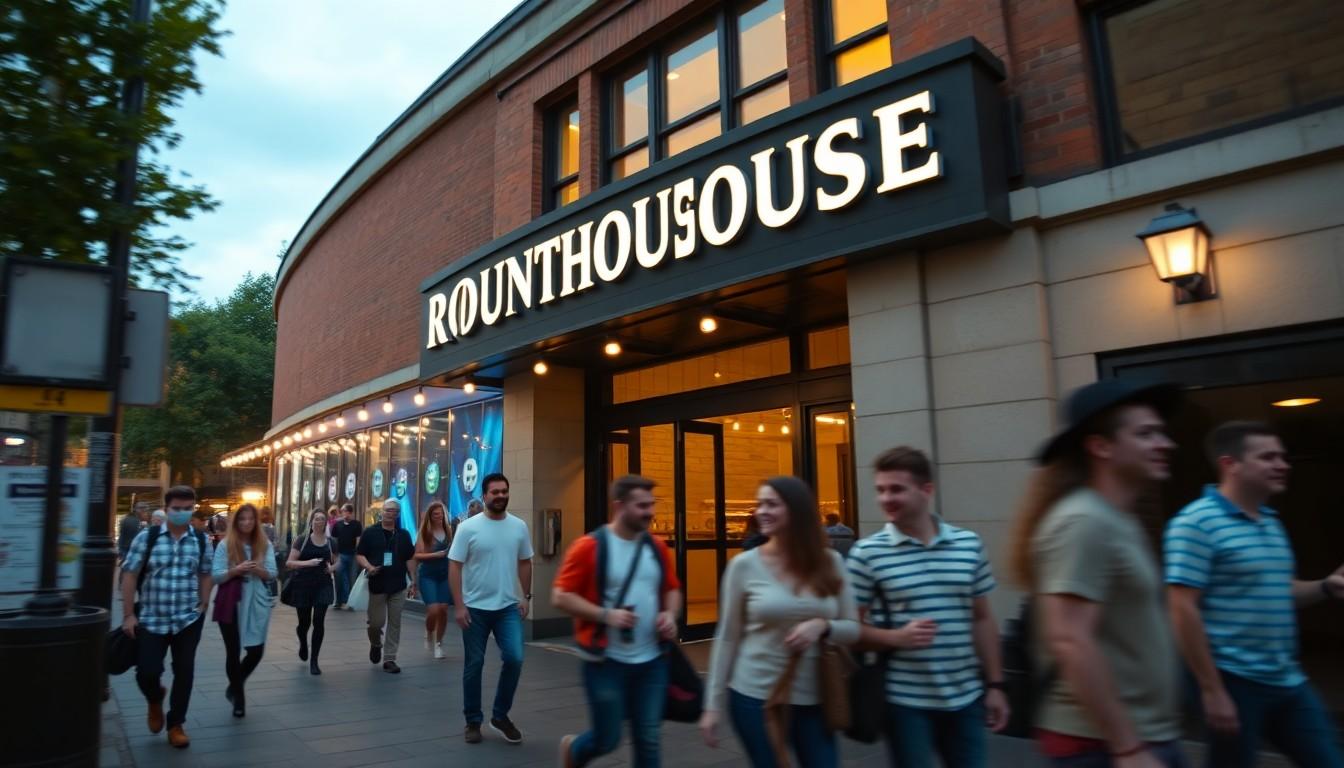
Stars from fashion, music, television and activism gathered at London’s Roundhouse as the Virgin Atlantic Attitude Awards 2026 recognised 12 people and organisations shaping LGBTQ+ life. From Donatella Versace and the Sugababes to Orville Peck and The Dru Project, this year’s winners mixed global fame with deeply personal community impact.
Essential Takeaways
- Fashion icon: Donatella Versace received the Icon Award for her lasting influence and LGBTQ+ advocacy.
- Big cultural names: David Furnish, Juno Dawson, Alison Hammond and the Sugababes were among the honoured winners.
- Community focus: The Dru Project was recognised for supporting LGBTQ+ young people and preserving Drew Leinonen’s legacy.
- Screen impact: Tip Toe won the Television Award for exploring online radicalisation and LGBTQ+ safety.
- Music with meaning: Orville Peck and the Pet Shop Boys were celebrated for pushing queer representation in country and pop.
A glamorous night with a serious purpose
The 15th Virgin Atlantic Attitude Awards brought a familiar mix of sharp tailoring, big personalities and heartfelt speeches to the Roundhouse in London. Yet beneath the red-carpet sparkle, the evening carried a clear message: LGBTQ+ influence isn't confined to one industry, one generation or one type of success.
This year's 12 winners included entertainers with decades-long careers, emerging cultural voices and organisations doing practical work in their communities. According to Attitude, the ceremony recognised achievements across fashion, film, comedy, activism, television and music, making it one of the magazine's broadest celebrations yet.
Donatella Versace leads a powerful roll call
Donatella Versace took home the Icon Award, a fitting tribute to a designer whose name has become shorthand for glamour, confidence and fearless self-expression. Her connection with LGBTQ+ communities has also extended beyond the catwalk, particularly through her philanthropy and public support for trans people facing discrimination and violence.
David Furnish received the Gamechanger Award, supported by M&S, for his work across entertainment, HIV advocacy and philanthropy. His message is especially pointed because, as Attitude reported, the medical tools to tackle HIV already exist, while political decisions and unequal access continue to slow progress.
Juno Dawson won the Culture Award after years of writing and broadcasting about identity, gender and sexuality. Her recognition reflects something readers already know: LGBTQ+ literature isn't a niche corner of publishing, but a vital part of the wider cultural conversation.
Music winners own their stories
The original Sugababes line-up, Mutya Buena, Keisha Buchanan and Siobhán Donaghy, collected the Music Award, supported by M&S. Their return has been more than a nostalgia trip. Reclaiming the group's name and performing together again has given their legacy a renewed sense of ownership, and their support for trans-led organisations has added real substance to the comeback.
The Pet Shop Boys received the Legend Award, supported by Virgin Atlantic, after more than 40 years of distinctive electronic pop. Their music has long connected with queer audiences, while their latest creative project turns towards the life of mathematician and codebreaker Alan Turing.
Orville Peck was named Man of the Year, supported by Virgin Atlantic. As Attitude reported, the masked country star's latest chapter has involved sobriety, recovery and a growing determination to make space for LGBTQ+ artists in a genre that hasn't always welcomed them warmly. His blunt attitude is refreshing: he isn't softening his identity to fit the room.
Screen, comedy and television get their moment
Michael Johnston won the Film Award following the extraordinary success of indie horror Obsession. The film's leap from a reported modest budget to more than $500 million at the box office has transformed his career, but his openness about sexuality and representation gives the award a wider resonance.
The Comedy Award went to Suzi Ruffell, whose stand-up, podcasting and writing have made anxiety, self-acceptance and queer life feel both funny and deeply relatable. Her reaction, reported by Attitude, captured the emotional heart of the night: reaching a point where she could feel comfortable in her own skin.
Channel 4 thriller Tip Toe won the Television Award for examining how online prejudice can spill into real-world relationships. Its strong early viewing figures suggest audiences are ready for challenging LGBTQ+ stories that don't offer easy answers or tidy villains.
Allies and community builders matter too
Jordan Stephens received the Ally Award, supported by Polestar, for his long-standing support of LGBTQ+ communities. His recognition is a useful reminder that allyship isn't about taking centre stage. It's about listening, understanding the spaces you're entering and using your platform responsibly.
Alison Hammond was named Honorary Gay, supported by Polestar, after years of being embraced by queer audiences. Her warmth and exuberance have made her a natural fit for the honour, but her comments also highlighted why that relationship matters: LGBTQ+ people helped her see authenticity as a strength rather than something to apologise for.
The Dru Project received the Inspiration Award for its work supporting LGBTQ+ young people while preserving the memory of Drew Leinonen, who was killed in the 2016 Pulse nightclub shooting. That combination of remembrance and practical support gives the award its emotional weight. It isn't just looking back; it's helping create safer futures.
What this year's winners tell us
Taken together, the winners show how LGBTQ+ culture is being shaped by both household names and grassroots organisations. A fashion designer can use her influence to speak about trans violence, while a youth charity can turn grief into belonging. Both forms of work matter, even if they happen on very different stages.
The awards also point to a broader shift in representation. Queer stories are appearing in prestige television, mainstream pop, country music, bestselling books and major charity campaigns, while the people behind them are increasingly demanding control over how their lives and legacies are presented.
For audiences, that's perhaps the most encouraging takeaway. Visibility feels more meaningful when it comes with ownership, honesty and action, not simply a rainbow logo for one evening.
The 2026 winners prove that LGBTQ+ influence is thriving across culture, community and public life.
Source Reference Map
Story idea inspired by: [1]
Sources by paragraph:
- Paragraph 1: [2], [3]
- Paragraph 2: [2], [4]
- Paragraph 3: [2], [5]
- Paragraph 4: [2], [6]
- Paragraph 5: [2], [7]
- Paragraph 6: [3], [4]
- Paragraph 7: [5], [6]
- Paragraph 8: [2], [7]
- Paragraph 9: [2], [3]
- Paragraph 10: [2], [5]
- Paragraph 11: [2], [4]
- Paragraph 12: [2], [6]
- Paragraph 13: [2], [7]
- Paragraph 14: [2], [3]
- Paragraph 15: [2], [4]
- Paragraph 16: [2], [5]
- Paragraph 17: [2], [6]
- Paragraph 18: [2], [7]
- Paragraph 19: [2], [3]
- Paragraph 20: [2], [4]
- Paragraph 21: [2], [5]
- Paragraph 22: [2], [6]
- Paragraph 23: [2], [7]
- Paragraph 24: [2], [3]
- Paragraph 25: [2], [4]
- Paragraph 26: [2], [5]
- Paragraph 27: [2], [6]
- Paragraph 28: [2], [7]
- Paragraph 29: [2], [3]
- Paragraph 30: [2], [4]