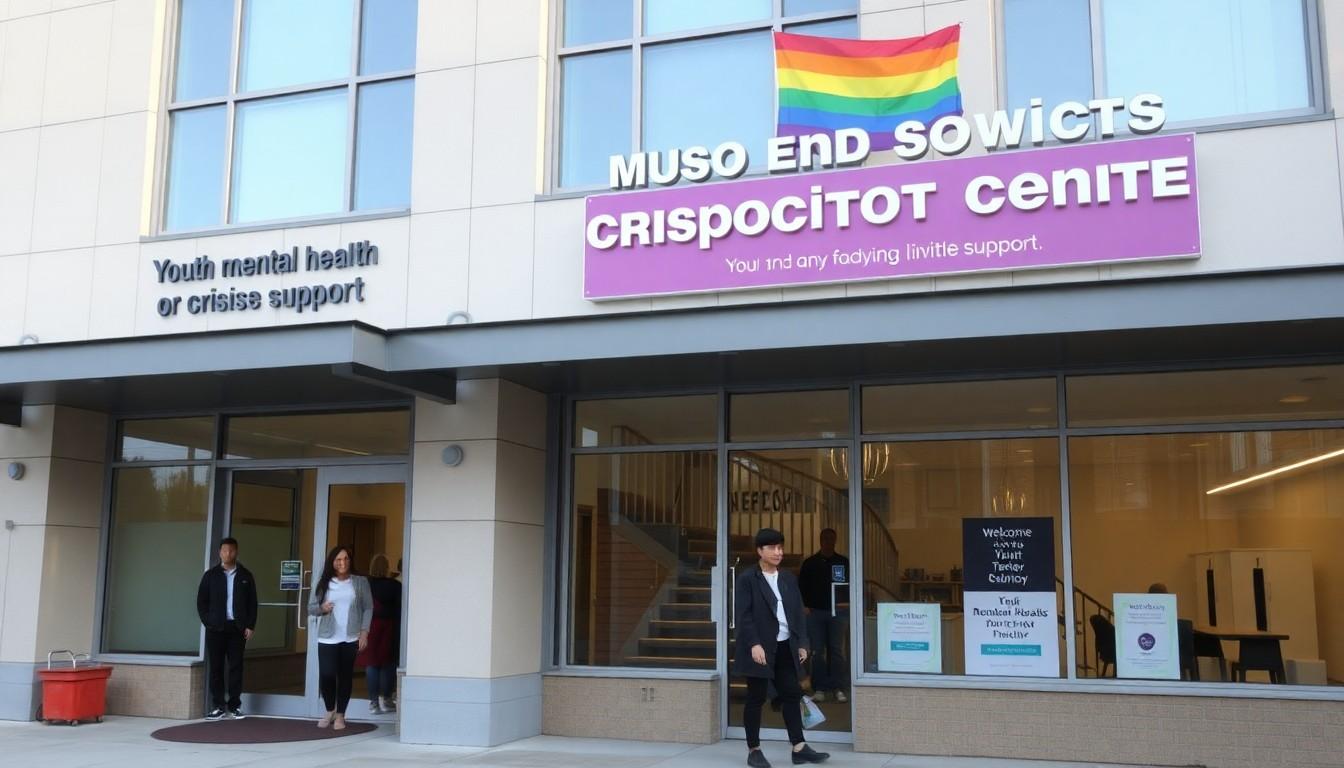
LGBTQ+ young people in the US can once again reach specialised support through the 988 Suicide and Crisis Lifeline by pressing 3. The service’s return follows months of advocacy after its 2025 suspension, restoring a dedicated route for young callers seeking crisis care from trained, affirming counsellors.
Essential Takeaways
- Press 3 is back: The specialised 988 option for LGBTQ+ youth has resumed in the US.
- It fills a serious need: More than 1.8 million LGBTQ+ young people reportedly consider suicide each year.
- The service had been paused: Press 3 was discontinued in July 2025, prompting concern among advocates.
- Support is available around the clock: The Trevor Project continues to offer its own 24/7 crisis services.
- Training remains crucial: Advocates want every 988 counsellor to provide informed, respectful LGBTQ+ care.
A familiar lifeline is open again
The return of Press 3 gives LGBTQ+ young people a clearer path to crisis support when a general helpline can feel intimidating or impersonal. A caller reaching 988 can select the option and connect with counsellors trained to understand LGBTQ+ experiences, including identity-based stress, rejection and discrimination.
That matters in a crisis, when having to explain the basics of your life can feel like climbing another wall. The National Alliance on Mental Illness welcomed the restoration, describing specialised support as an important part of a responsive national crisis system.
Why the service was missed
Press 3 was first introduced in 2022, with The Trevor Project helping to pilot the service. Its suspension in July 2025 left advocates worried about what would happen to callers seeking support that was both immediate and culturally competent.
The debate also exposed a wider weakness in crisis care. A phone number may be easy to remember, but trust is harder to build. Reporting from the Los Angeles Times and KFF highlighted uncertainty around the future of LGBTQI+ services within the 988 network, making the restoration feel like a significant, if overdue, step.
The numbers behind the urgency
The Trevor Project says an estimated 1.8 million LGBTQ+ young people in the US seriously consider attempting suicide each year. That figure is stark, but it also explains why advocates have pushed for services designed around the realities of LGBTQ+ youth rather than treating specialist support as an optional extra.
The Substance Abuse and Mental Health Services Administration has described 988 as a national crisis resource, while organisations including NAMI have argued that specialised options can help people feel safer seeking assistance. In practice, a calm voice that understands the caller’s concerns can make the difference between hanging up and staying on the line.
What callers and families should know
Young people in the US who are in crisis can call or text 988 and choose Press 3 for LGBTQ+ youth support. If speaking feels too difficult, texting may be a gentler first step, although response times and availability can vary with demand.
The Trevor Project’s own 24/7 crisis services remain available as another option. Families, friends and trusted adults can help by keeping the numbers visible, avoiding judgemental language and asking directly whether someone feels unsafe. It’s not about delivering a perfect speech. Often, staying present and helping make the connection is the useful part.
Restoration is progress, but consistency matters
The return of Press 3 has been welcomed by mental health and LGBTQ+ advocates, yet the next test will be how reliably the service performs in everyday use. The Trevor Project says it will monitor the rollout and continues to encourage proper training for 988 counsellors across the country.
That focus is sensible. Restoring a specialist line is important, but young people also need confidence that the person answering will listen carefully and respond with appropriate care. As the 988 system develops, keeping LGBTQ+ support visible, funded and properly staffed will be just as important as bringing the option back.
If you or someone else is in immediate danger in the US, call or text 988, or contact emergency services.
Source Reference Map
Story idea inspired by: [1]
Sources by paragraph: