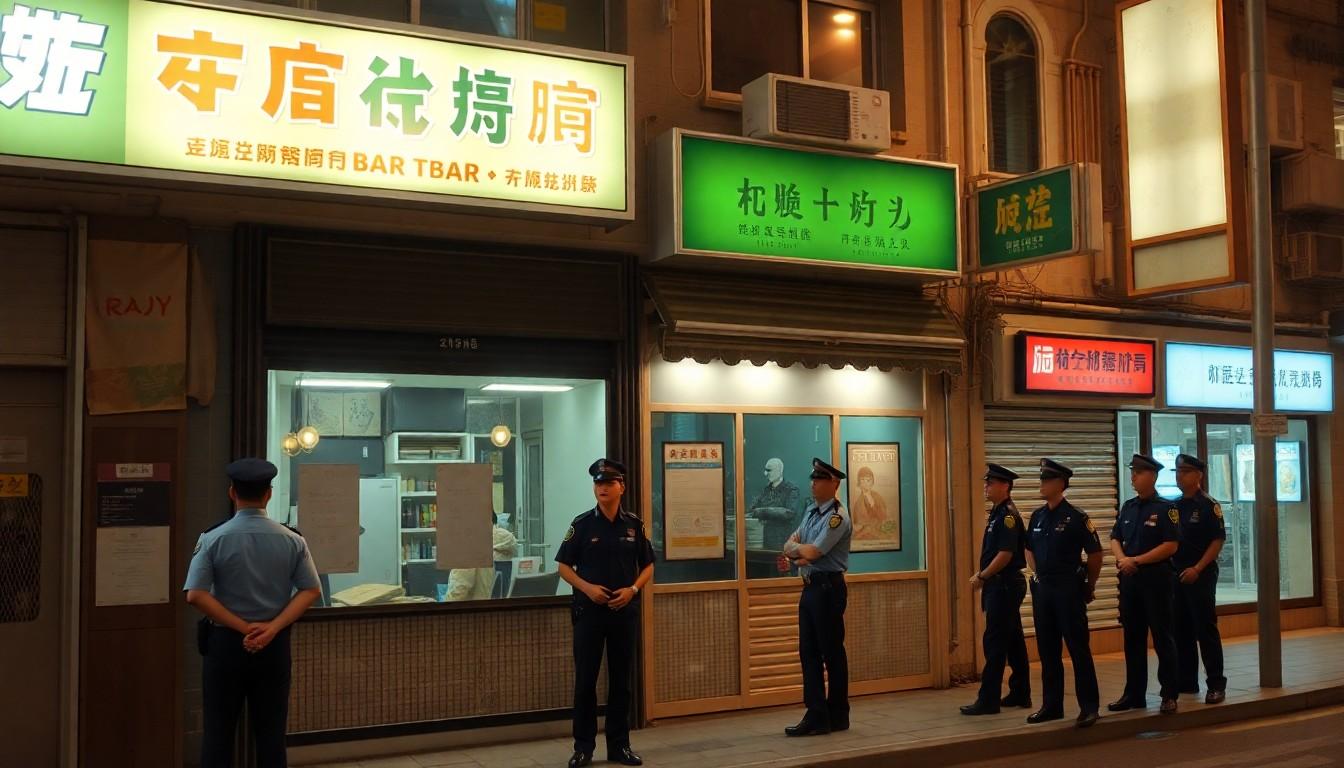
A police raid on Taipei’s Commander D gay bar has become a wider test of lawful, respectful policing, after alleged inappropriate remarks turned a routine search into a public debate about dignity, accountability and trust.
Essential Takeaways
- Legal authority has limits: A search warrant permits specific action, not careless language or humiliating behaviour.
- The setting matters: Police entering a private LGBTQ+ venue carry the weight of state power into a sensitive space.
- Words can damage trust: Remarks that might sound flippant elsewhere can feel threatening when spoken by officers.
- Accountability is visible: Body-camera footage and follow-up investigations help establish what happened.
- Training needs to evolve: Respect for diverse communities should be treated as practical policing skill, not a slogan.
A warrant doesn't excuse every word
The strongest lesson from the Commander D raid is also the simplest: legality and conduct are separate questions. Officers may have lawful grounds to carry out a search, but that authority doesn't give them unlimited freedom to speak or behave as they please.
Taiwan Plus reported public anger over alleged misconduct during the Taipei gay bar raid, showing how quickly a policing operation can become a trust crisis. Once officers enter a private venue, their words carry more than personal opinion. They represent the state, and even a supposedly casual remark can feel heavy in that setting.
That distinction matters for everyone involved. Criticising inappropriate language doesn't automatically prove the search itself was unlawful, just as holding a warrant doesn't make every action automatically acceptable.
Why the language of policing carries extra weight
A joke between friends is one thing. A similar comment from an officer questioning or detaining someone is quite another. The imbalance of power changes the meaning, especially for people who may already worry about discrimination or being misunderstood.
Coverage from Taiwan Public Television and other local reporting has kept attention on the alleged treatment of people at the venue. The wider issue isn't whether officers must agree with every lifestyle they encounter. They must, however, treat people with dignity while applying the law.
That sounds obvious, but it can be harder in a fast-moving operation. The people being questioned may be anxious, embarrassed or unsure of their rights, while officers are making rapid decisions. Professional communication becomes more important, not less.
The raid became a test of police culture
A successful operation isn't measured only by whether officers complete their immediate task. It should also be judged by whether they explain what they're doing, use proportionate methods and avoid causing unnecessary humiliation.
Newtalk's reporting on the controversy highlighted the continuing public concern around the officers' conduct and the police response. For communities that have historically felt watched or judged, the tone of an operation can shape whether they see the police as a public service or an occupying force.
There is a practical point here for policing leaders. Briefings before a search should cover more than logistics and evidence. They should address the venue, likely sensitivities, communication expectations and what supervisors must do if a colleague crosses the line.
Body cameras create a clearer public record
Modern policing is increasingly performed under several lenses: venue security systems, mobile phones, CCTV and officers' own body cameras. That can feel uncomfortable, but it also makes accountability less dependent on competing memories.
CNA has reported on the role of police investigations and recorded evidence in examining disputed conduct. Used properly, such footage can protect the public and officers alike by showing what was actually said and done.
The best response to scrutiny isn't defensiveness. It's a clear review, a fair disciplinary process and an explanation of what will change. People are more likely to accept an unpopular police action when the institution is willing to examine its own behaviour honestly.
Respect for difference is a professional skill
Police officers don't need personal familiarity with every community or venue they encounter. They do need enough understanding to avoid turning unfamiliarity into suspicion or contempt.
That includes LGBTQ+ venues, people with disabilities and anyone whose gender expression, culture or private life may differ from an officer's own experience. CNA coverage of policing and social issues has repeatedly illustrated how sensitive encounters can become when communication and judgement fail.
For fast chewers, a dog toy needs the right size; for police operations, the equivalent safeguard is preparation. Clear instructions, suitable training and strong supervision reduce the chance that personal assumptions will creep into official decisions.
Criticism should target conduct, not every officer
It would be unfair to treat one disputed operation as proof that every police officer is prejudiced or unprofessional. Officers routinely deal with violence, domestic abuse, mental-health crises and vulnerable people under difficult conditions, often with little time to think.
But separating individuals from institutions shouldn't become an excuse to avoid responsibility. Taiwan Plus and local news coverage show why the public expects a proper response when allegations involve the use of state power.
The fairest position is also the most useful: investigate specific conduct, discipline proven misconduct, support officers who acted properly and improve the system. Trust doesn't mean police are never questioned. It means they can answer difficult questions without losing sight of the people in front of them.
The real measure is what happens next
The Commander D controversy should lead to more than individual penalties. Police leaders need to ask whether officers received enough guidance before the search, whether supervisors intervened quickly and whether staff understood how to communicate in a private LGBTQ+ setting.
The same questions will arise at other venues and with other communities. Today's lesson may involve a gay bar; tomorrow's may concern disabled people, migrants, religious minorities or another group that feels exposed when public authority arrives.
Law gives officers the power to act. Professionalism determines how they act, while restraint determines where that power stops. That balance is what turns enforcement into public service.
A search warrant may authorise entry, but trust is earned one interaction at a time.
Source Reference Map
Story idea inspired by: [1]
Sources by paragraph: