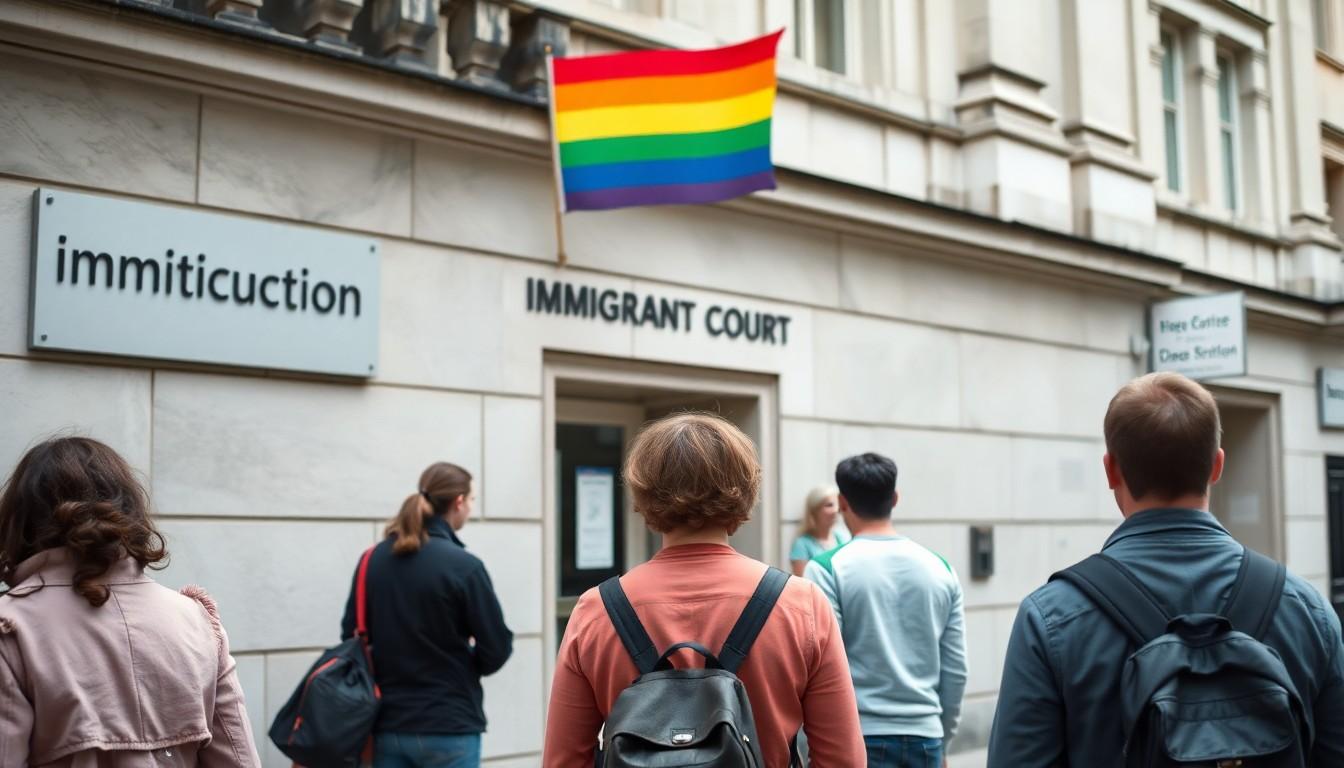
LGBTQIA+ people seeking asylum in the UK often face a painful contradiction: they must explain deeply personal experiences to officials while proving fears they may have spent years hiding. The debate has sharpened after a government enforcement operation involving alleged fraudulent evidence, raising fresh questions about fairness, safety and how Britain handles queer asylum claims.
Essential Takeaways
- The central issue: LGBTQIA+ applicants must show a well-founded fear of persecution, not simply identify as queer.
- Why disclosure can be hard: Shame, trauma, fear of being outed and mistrust of interpreters can all affect interviews.
- Bangladesh matters: UK guidance recognises criminalisation, harassment and serious risks for some LGBTIA+ people there.
- Fraud is not the whole story: Alleged scams sit alongside wider concerns about confusing procedures and poor advice.
- Better support is vital: Specialist legal help, safe interpretation and trauma-informed interviews can make the process fairer.
A high-profile raid has reopened an uncomfortable debate
The government’s announcement of arrests linked to alleged fraudulent asylum evidence has placed LGBTQIA+ claims under an unusually bright spotlight. Fraud should be investigated, of course, but focusing public attention on one alleged network risks making a complicated system look deceptively simple.
The broader reality is far less tidy. Official country information says same-sex relationships between men are criminalised in Bangladesh, while LGBTIA+ people may face arrest, harassment, extortion and serious harm. For someone arriving after years of concealment, explaining that history in an interview room can feel less like telling a story and more like reopening a wound.
That distinction matters. A questionable document or dishonest adviser shouldn't be used to imply that genuine claims are generally suspect.
Proving identity can mean revisiting years of silence
For many queer asylum seekers, the challenge isn't only showing what might happen in their home country. They may also need to explain why they didn't disclose their sexuality or gender identity sooner, including during earlier immigration interviews.
That can be difficult for entirely human reasons. Research from the University of Birmingham has highlighted the danger and abuse experienced by queer people within the UK asylum system, while legal guidance notes that decision-makers should consider the effects of trauma, culture, shame and fear when assessing a claim.
An applicant may have concealed their identity to survive, protect family members or avoid community violence. They may distrust an interpreter from a similar background, worry about being recognised, or simply lack the language to describe an experience they've never been allowed to name. None of those factors automatically proves a claim, but they shouldn't be treated as evidence that a person is lying.
The numbers are smaller than the headlines suggest
Government statistics show that sexual orientation was recorded as a basis for around 2% of asylum claims in the latest data cited by campaigners. That figure is useful context, but it doesn't tell us how many people struggled to disclose their identity, delayed making a claim or never felt safe enough to mention it.
It also underlines why sensational coverage can have a disproportionate effect. When a small group is repeatedly associated with fraud, people with legitimate fears may become even more reluctant to seek help or speak openly.
A 2024 review by UK Lesbian and Gay Immigration Group found that Home Office decision-making in LGBTQI+ cases continued to fall short in important ways. The concern isn't that every application should be accepted. It's that every genuine case deserves a careful, consistent assessment rather than assumptions based on stereotypes.
What makes a fairer LGBTQIA+ asylum process?
The first practical step is specialist legal advice, ideally from a regulated immigration adviser or solicitor with experience in LGBTQIA+ protection claims. Applicants should keep relevant documents, medical or support records where available, and a clear timeline of what happened, but they shouldn't feel pressured to manufacture proof or collect intimate material.
There also needs to be better training for officials and interpreters. The Migrant Law Partnership explains that an applicant's account should be assessed in the round, rather than judged against a narrow idea of how a lesbian, gay, bisexual, trans or intersex person is expected to behave.
That sounds obvious, yet stereotypes can be stubborn. Someone who has had different relationships, married, has children or didn't attend LGBTQIA+ venues may still be queer and may still face persecution. Human beings are gloriously inconsistent; asylum systems need to account for that.
Enforcement should not eclipse reform
The government has a legitimate interest in tackling organised fraud, but enforcement announcements should be handled with care when they involve a marginalised group. Public messaging can shape how communities are treated long after the original investigation disappears from the news cycle.
Meanwhile, the system's practical weaknesses remain: complicated procedures, limited access to legal aid and long periods of uncertainty. Oxford research on LGBTQ+ asylum models has also questioned approaches that reduce identity to rigid categories or demand a neat, easily documented narrative.
A better process would combine robust checks with compassion, confidential interviews, appropriate interpretation and access to affordable legal representation. For someone who has spent years hiding to stay alive, being asked to prove who they are is already an immense burden.
A fair asylum system must look beyond the headline and listen to the person behind the claim.
Source Reference Map
Story idea inspired by: [1]
Sources by paragraph: