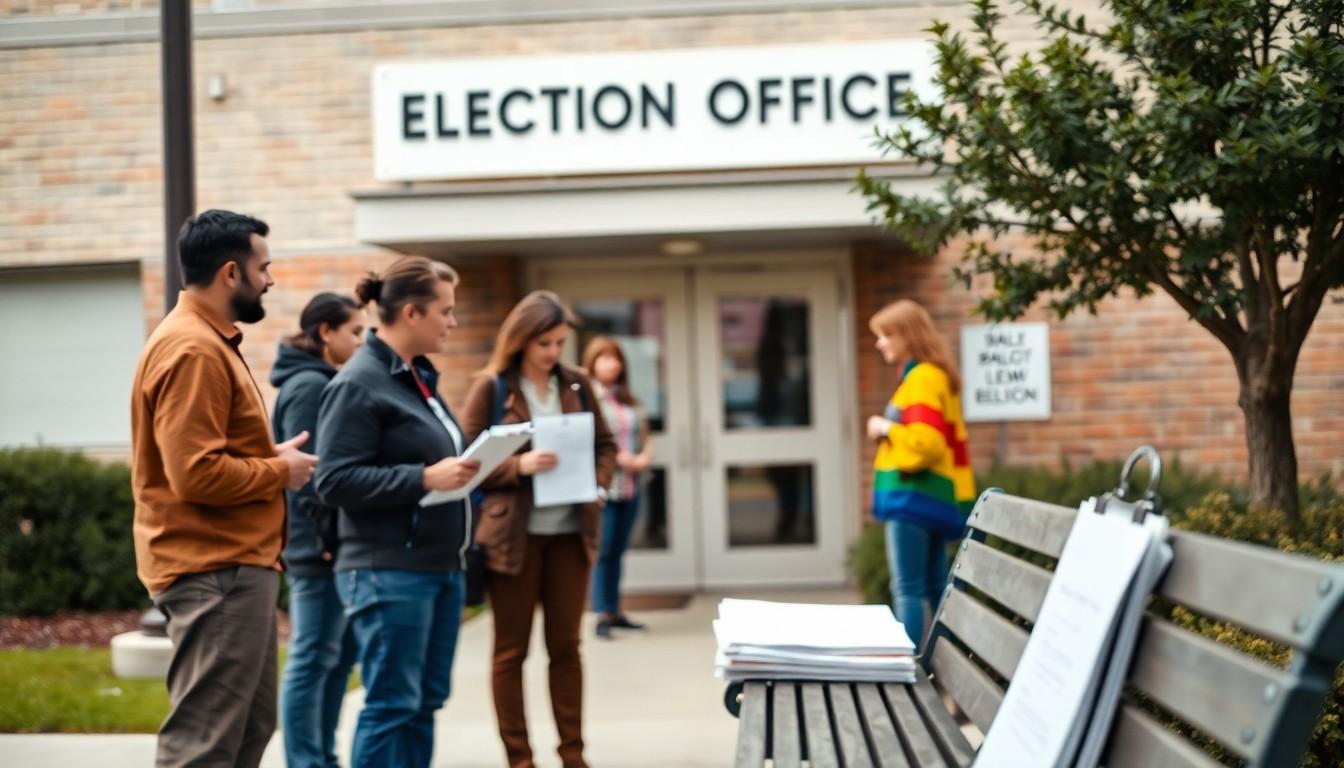
Voters across America are being urged to look beyond headline races this election, with ballot measures and judicial contests carrying major consequences for LGBTQ+ families. From same-sex marriage protections to school sports and transgender healthcare, the small print could shape everyday rights for years.
Essential Takeaways
- Ballot measures matter: Voters may decide issues affecting marriage, healthcare, schools and family life.
- The wording can be difficult: Missouri's Amendment 3 summary was rewritten after concerns that its original language obscured the proposal's impact.
- Judges shape the outcome: Courts interpret constitutional language and can determine whether controversial laws stand.
- Local research is essential: Sample ballots, trusted explainers and local reporting can reveal what national coverage misses.
- The stakes are personal: Decisions may affect fertility treatment, parental authority, healthcare access and legal recognition.
The most important decisions may be lower down the page
The headline races get the television coverage, but the quieter parts of a ballot can have the longest afterlife. Ballot measures and judicial elections may not come with glossy campaign adverts or familiar political names, yet they can influence the rights and choices available to families.
That matters particularly for LGBTQ+ households, where questions about marriage, parenting, fertility and healthcare are often shaped by state law. Ballot.org encourages voters to examine the full ballot rather than stopping after the best-known contests, a sensible reminder when the most consequential question might be printed in surprisingly dry language.
For voters, the first practical step is simple: find a sample ballot before election day. Reading it in advance gives you time to investigate unfamiliar proposals, rather than making a rushed decision in a busy polling station.
Confusing wording can hide a major change
Ballot language isn't always reader-friendly. Missouri offered a striking example when a court rewrote the summary of Amendment 3 after concerns that voters might not understand the measure's effects, according to the Missouri Independent.
That kind of dispute isn't merely a technical argument over commas. A short summary can determine whether people recognise what they're being asked to approve, reject or change. When the subject involves reproductive rights or transgender healthcare, a vague description can leave families trying to decode policy under pressure.
The best approach is to compare sources. Read the official wording, then look for a local newspaper explainer, non-partisan analysis and reputable legal commentary. If the proposal still feels slippery, that's usually a sign to keep researching rather than skip it.
Same-sex marriage protections remain part of the conversation
Virginia's constitution still contains a dormant same-sex marriage ban, and Ballotpedia records a proposed change to remove that outdated language. Although marriage equality is recognised nationally, leaving contradictory wording in a state constitution can create confusion and provide material for future legal challenges.
Removing obsolete provisions can therefore have symbolic and practical value. It clears away language that no longer reflects the law and makes the state's constitutional position easier to understand.
The Virginia example also shows why voters shouldn't assume that settled rights are permanently insulated from politics. Legal protections depend on statutes, constitutional text and court interpretation, so an apparently inactive clause can still deserve attention.
School sports and healthcare measures raise sharper questions
Measures listed for Arizona, Colorado, Nebraska and Washington would address participation in school sports, with proposals attempting to place a legal definition of "female" into state law. Ballotpedia's summaries show that the details vary, but the broad issue is the same: who sets the rules, and how much personal information must young people provide?
Washington's proposal has drawn particular attention because its approach would involve physical examinations and blood testing, according to the Ballotpedia summary. That makes an abstract political debate feel uncomfortably concrete for families imagining a child standing in a clinic or school office.
Colorado and Missouri also feature proposals concerning healthcare for transgender young people. The measures would affect how families and clinicians make medical decisions, so parents should look closely at definitions, enforcement provisions and exceptions rather than relying on campaign slogans.
Judges can determine what the wording means
A ballot measure writes policy into law, but judges decide how that law works in real life. Their rulings can determine whether a restriction survives, whether a constitutional protection applies and how conflicting provisions should be reconciled.
That makes state supreme court elections more than a legal footnote. A judge's approach to constitutional interpretation can influence cases involving abortion, fertility treatment, LGBTQ+ rights and parental decision-making. Retention elections deserve the same scrutiny as contested races, even when the ballot offers only a yes-or-no choice.
For a busy voter, the research needn't become a second job. Check the candidate's professional record, read credible reporting about major decisions and look for information from bar groups or non-partisan organisations. Then discuss what you've found with family and friends. A calm conversation over coffee can be more useful than another hour of campaign noise.
A few minutes of preparation can protect future choices
The central lesson is straightforward: don't stop at the first page of names. Read every measure, check every judicial contest and investigate anything that could affect bodily autonomy, family recognition or access to care.
These choices can feel remote until they touch someone you love. Then the wording on a ballot becomes a question about whether a marriage is recognised, whether fertility treatment remains available or whether a parent can make healthcare decisions for a child.
A little preparation won't make the ballot less complicated, but it can make your vote more deliberate. And in close legal and political fights, that matters.
Read the full ballot now, not just the loudest parts.
Source Reference Map
Story idea inspired by: [1]
Sources by paragraph:
- Paragraph 1: [2], [4])
- Paragraph 2: [5], [6])
- Paragraph 3: [3], [7])
- Paragraph 4: [2], [4])
- Paragraph 5: [5], [6])
- Paragraph 6: [3], [7])
- Paragraph 7: [4]), [5]
- Paragraph 8: [6]), [7])
- Paragraph 9: [2], [4])
- Paragraph 10: [5], [6])
- Paragraph 11: [3], [7])
- Paragraph 12: [2], [4])
- Paragraph 13: [5], [6])
- Paragraph 14: [3], [7])