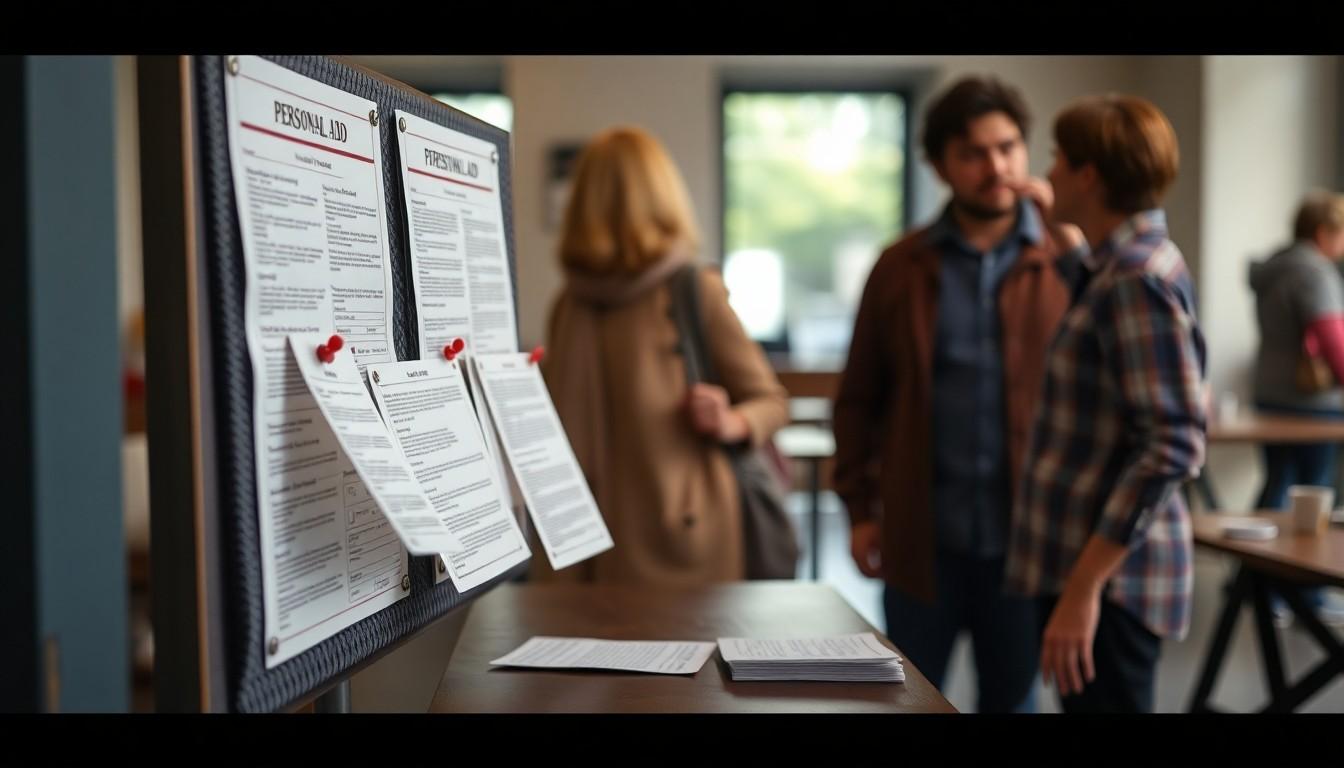
DIVA is reviving its much-loved Dial-A-DIVA personal ads for a special issue, giving LGBTQIA+ women and gender-diverse readers a chance to seek love, friendship or something more without relying on dating apps. It’s a nostalgic, analogue twist on meeting people, with privacy and personality at its heart.
Essential Takeaways
- Dial-A-DIVA is returning: DIVA is reopening its personal-ad format for a special magazine issue.
- It’s open to different connections: Readers can look for romance, intimacy, friendship or community.
- Keep it concise: Ads should quickly explain who you are and what you’re seeking.
- Privacy matters: Contributors need to include their age and location, but should avoid revealing identifying details.
- The format has history: Earlier ads helped readers find lasting friendships and relationships through the magazine.
DIVA is swapping swipes for something more personal
There’s something wonderfully tactile about a personal ad in print. No endless scrolling, no carefully engineered profile prompts and no awkward disappearing matches, just a few honest lines sitting quietly on a page, waiting to be noticed.
DIVA has announced the return of Dial-A-DIVA, its personal-ad feature for LGBTQIA+ women and gender-diverse people. The special issue is designed for readers seeking love, lust, friendship or simply a meaningful connection outside the usual app-driven routine.
The revival comes at a moment when many people are tiring of digital dating’s polished but repetitive rhythms. DIVA’s own announcement presents the feature as a return to analogue connection, and that low-tech approach is part of the appeal. According to DIVA, earlier editions helped readers meet both romantic partners and friends.
What makes a good personal ad?
The best ads don’t try to tell an entire life story. They offer a quick glimpse instead, combining a few personality details with a clear sense of the kind of person or connection the writer hopes to find.
DIVA’s examples use a compact formula: age, location, a handful of interests and a straightforward description of the desired match. That might mean mentioning music, walking, gardening or a fondness for a good laugh, then leaving room for the reader’s curiosity to do some work.
The trick is to sound like a person rather than a checklist. A warm detail, a slightly unexpected hobby or a line that hints at humour can make an advert feel inviting. Think of it as a tiny introduction, not a CV.
Privacy still comes first
A personal ad can be open-hearted without being overexposed. DIVA asks contributors to state their age and location, but the wider guidance is to avoid sharing too much identifiable information.
That means skipping exact addresses, workplaces, daily routines and other details that could make someone easy to track down. A broad area is generally more sensible than a street or a highly specific landmark.
It’s also worth being clear about what you’re looking for. Saying whether you want friendship, dating or something more helps potential matches respond with the right expectations, which can make any eventual conversation more comfortable.
A slower alternative to dating apps
Dating apps are efficient, but efficiency isn’t always the same as connection. Profiles can become performance spaces, while the constant stream of options makes it surprisingly difficult to focus on one person or conversation.
A printed advert works differently. It asks readers to pause, imagine the person behind the words and decide whether the small details resonate. There’s no instant verdict, which may be precisely what makes the format feel more human.
DIVA’s wider publishing work has long centred LGBTQIA+ women and gender-diverse communities, and the magazine remains available through digital channels as well as its broader media presence. The Dial-A-DIVA return feels like a playful extension of that community-minded role.
How to write yours before submitting
Start with the basics: your age, general location and the type of connection you want. Then add two or three details that genuinely sound like you, rather than reaching for generic claims such as “I enjoy having fun”.
Keep the wording brief and readable. You might mention a favourite activity, the sort of personality you appreciate or what you’d like to do together, but don’t pack every interest into one crowded sentence.
Most importantly, leave some room for a reply. A personal ad should open a door, not furnish the entire house. DIVA’s submission form gives readers the chance to put themselves forward for the special issue, while the magazine’s charitable trust continues its work supporting queer media and community storytelling.
For anyone who’s feeling worn down by apps, this could be a charming way to try something different. Sometimes a few carefully chosen words are enough to start a very good conversation.
Dial-A-DIVA is a small analogue experiment with plenty of room for a modern connection.
Source Reference Map
Story idea inspired by: [1]
Sources by paragraph:
- Paragraph 1: [2], [3]
- Paragraph 2: [2], [4]
- Paragraph 3: [2], [5]
- Paragraph 4: [2], [6]
- Paragraph 5: [2], [7]
- Paragraph 6: [3], [4]
- Paragraph 7: [2], [7]
- Paragraph 8: [2], [3]
- Paragraph 9: [2], [5]
- Paragraph 10: [2], [6]
- Paragraph 11: [2], [7]
- Paragraph 12: [2], [3]
- Paragraph 13: [2], [7]
- Paragraph 14: [2], [3]