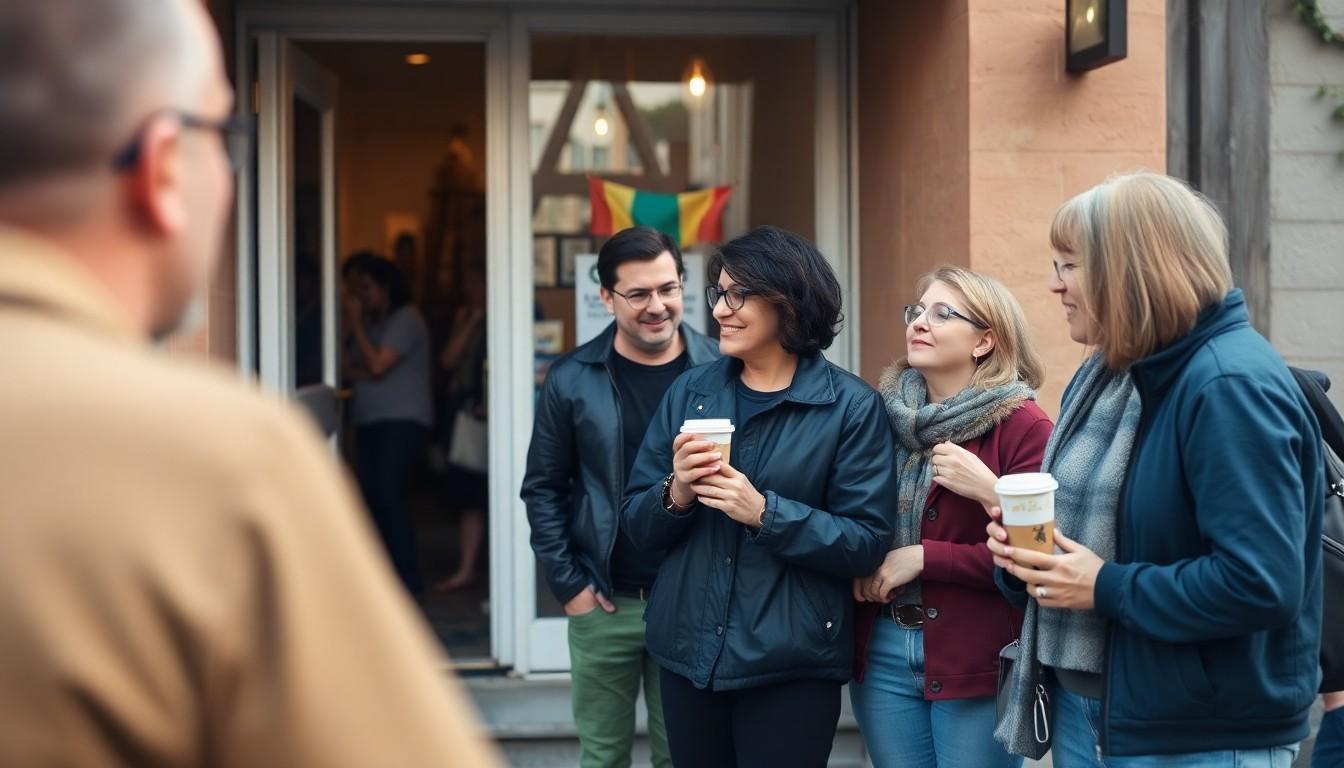
People are increasingly looking beyond biological ties for chosen family, creating support networks built on trust, care and acceptance. For queer people especially, these relationships can offer somewhere to be fully seen, whether that means sharing a home, surviving heartbreak or simply knowing who’ll answer the phone when life feels overwhelming.
Essential Takeaways
- Chosen family is intentional: These relationships are built through mutual care rather than biology or legal ties.
- Support can be practical: A spare room, a cooked meal or a steady conversation can matter enormously during a crisis.
- Queer communities often rely on it: Friends may provide acceptance when relatives struggle to understand or support someone’s identity.
- It isn't limited to one household: Chosen family can include friends, partners, mentors, neighbours and wider community networks.
- Trust grows through consistency: Small, repeated acts of care often create the strongest sense of belonging.
Chosen family can appear in an ordinary moment
Sometimes belonging looks less like a grand declaration and more like a friend quietly changing the evening's plans. In the Queer Love Project essay, a frightening psychedelic reaction leaves the writer panicking in the back of a self-driving car, while a sober friend notices what is happening, offers reassurance and takes him somewhere safe.
There is nothing especially cinematic about water, a bed and a calming song. That's precisely why the moment lands. According to Healthline, chosen family is generally understood as a support system people deliberately build with those who offer emotional safety, care and acceptance.
The most powerful part is not simply that someone helped. It's that the writer recognised the help as family-like love. A crisis can reveal who is willing to stay present when the mood turns difficult, sweaty and unglamorous.
Why queer people often build family beyond biology
For many LGBTQ+ people, family relationships can be complicated by rejection, silence or a lack of understanding. That doesn't mean every queer person is estranged from relatives, but it does explain why friendship networks can become particularly important.
Chosen Family, a community organisation focused on supporting LGBTQ+ people, describes its work around connection, care and belonging. Meanwhile, the Gaygency's glossary presents chosen family as relationships that function like family without relying on biological or legal ties.
The idea also has a long social history. Queer people have often created networks of mutual aid, shared housing and emotional support when conventional institutions failed to meet their needs. A friend who offers a sofa, checks in after a difficult diagnosis or celebrates a new identity milestone may be doing far more than being sociable.
From heartbreak to a home that feels safe
The essay's writer describes growing up with considerable independence, often having to manage practical parts of childhood without dependable attention from parents. Later, romantic love brought closeness, but the marriage eventually became a place where he felt increasingly unable to express his full identity.
That distinction matters. A relationship can be loving and still become restrictive, particularly when one person feels pressured to hide parts of themselves to keep it intact. After the divorce, rebuilding did not happen through a single revelation. It came through therapy, travel, hobbies, writing and, crucially, renewed friendship.
Moving in with two close friends turned support into something tangible. Shared meals, walks, conversations and a spare room created a daily rhythm of care. Chosen Years, a project centred on chosen family, reflects the broader idea that meaningful support can be built deliberately across different stages of life.
The small rituals that make belonging real
Chosen family isn't sustained by declarations alone. It lives in the repeatable details: a friend making dinner, listening without rushing, remembering a difficult appointment or letting someone be eccentric without demanding an explanation.
Those rituals can be especially valuable for people managing mental health challenges. In the essay, the writer's friends remain present while he navigates a bipolar disorder diagnosis and changing moods. Their role isn't to replace professional care, but to offer companionship and help reduce the isolation that can make difficult periods feel even heavier.
Stand In Pride also places community and solidarity at the centre of LGBTQ+ support. The practical lesson is simple: strong networks need maintenance. Check in, make plans that aren't based only on nightlife, talk honestly about boundaries and be clear about what help you can realistically offer.
How to build a chosen family of your own
Start with consistency rather than intensity. A dramatic new friendship can feel thrilling, but trust usually grows through ordinary contact and evidence that people mean what they say.
Look for relationships where you can be honest without performing a more acceptable version of yourself. That might be a queer book group, a local support organisation, a hobby class, a mutual-aid project or simply one person who makes space for you.
It also helps to be specific. Instead of saying, "Let me know if you need anything," try offering a lift, a meal, a call or a place to sit. And remember that chosen family should be reciprocal, not a one-way rescue arrangement. The healthiest bonds leave room for care, independence, humour and the occasional quiet afternoon apart.
Belonging doesn't have to look conventional
The writer's conclusion is moving because it doesn't pretend he became a completely different person. He may still value solitude, but he no longer experiences it as proof that he is alone.
That is perhaps the most useful way to understand chosen family. It doesn't erase difficult histories or guarantee constant harmony. Instead, it gives people a network where love can be expressed in forms that feel natural, from a tight hug to a home-cooked meal or a message sent at exactly the right moment.
For anyone who has felt out of place in their original family structure, that possibility can be quietly life-changing. Family, after all, can be inherited, but it can also be built.
A supportive chosen family can make independence feel like freedom, rather than abandonment.
Source Reference Map
Story idea inspired by: [1]
Sources by paragraph: