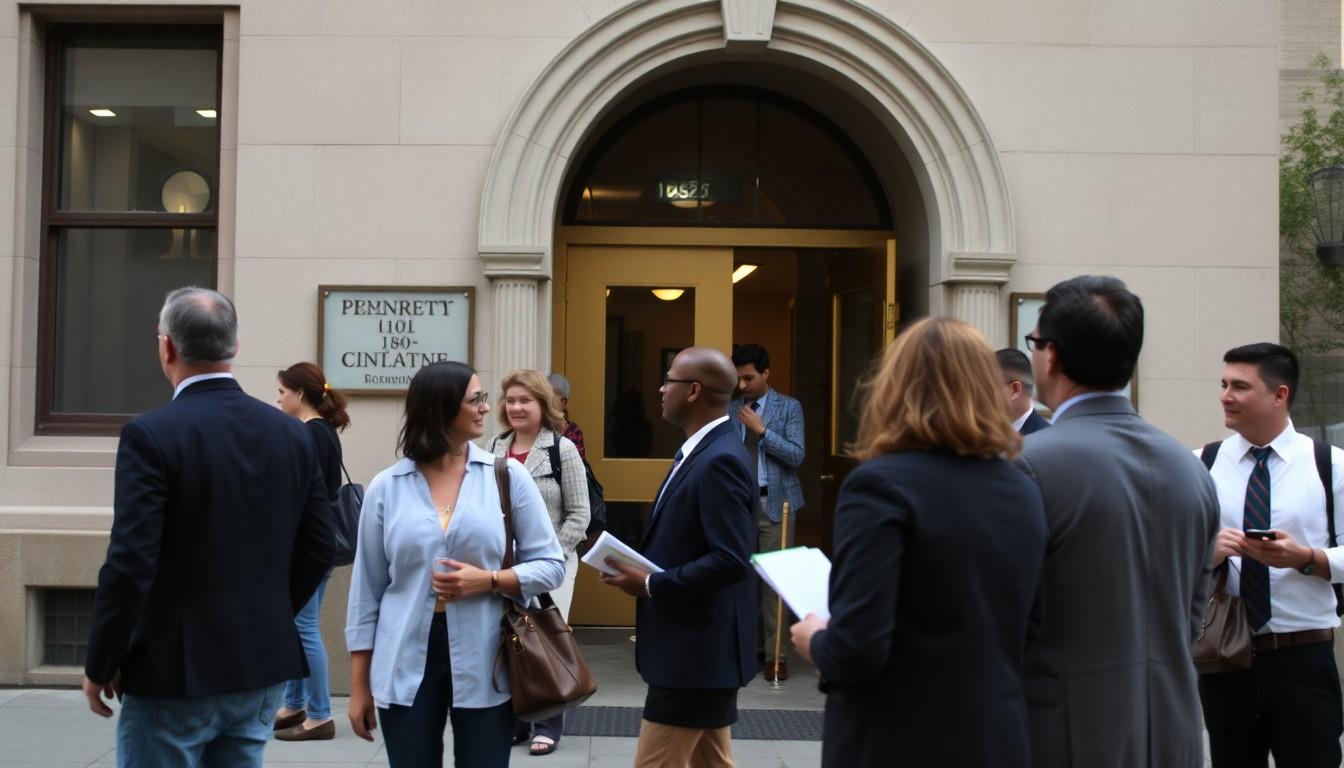
Philadelphia’s LGBTQ+ community is marking five decades of visibility with a fresh celebration of 50 influential leaders. From healthcare and politics to small businesses, media and grassroots advocacy, the honourees reflect the people building a more welcoming city, often far from the spotlight.
Essential Takeaways
- A 50-year milestone: PGN’s anniversary celebration honours five decades of LGBTQ+ journalism and community connection.
- Broad representation: The list spans medicine, government, business, arts, activism, media and hospitality.
- Local impact matters: Many honourees support neighbourhood organisations, safer spaces and community services.
- Visibility remains powerful: Their work helps LGBTQ+ people feel seen across Philadelphia and beyond.
- The celebration has a civic feel: The event brings together advocates, entrepreneurs, public servants and storytellers.
Philadelphia’s LGBTQ+ leaders are changing the city in many ways
The strongest message from Philadelphia’s 50 most influential LGBTQ+ leaders is that impact rarely arrives in one tidy package. It can look like a new healthcare clinic, a packed community fridge, a legal advocacy campaign or a welcoming shop where customers can finally relax.
PGN’s anniversary recognition brings those different strands together, highlighting people whose work reaches well beyond traditional LGBTQ+ organisations. The list includes doctors improving access to care, entrepreneurs creating jobs and organisers building practical support networks. Philly Gay Calendar also lists the event as a major gathering for the city’s LGBTQ+ community.
That range feels especially important at a time when visibility is often discussed as though it belongs only to public figures. In reality, influence can be quiet, painstaking and intensely local. Sometimes it looks less like a headline and more like someone keeping the lights on.
From healthcare to cybersecurity, expertise is part of advocacy
Several honourees are making inclusion part of their professional work. Doctors such as Todd P. Levin and Justin Schweitzer have helped expand LGBTQ+ healthcare, including dedicated services and HIV prevention programmes. Their efforts address a practical truth: representation matters most when it changes the experience people have when they seek help.
Elsewhere, Brenan Duffy brings cybersecurity expertise to an organisation defending civil liberties, while leaders including Kaela Blanks and Suja Mathew focus on workplace culture, mentoring and equitable systems. These roles may sound very different, but they share a common aim: making institutions safer and more useful for people who have often been left out.
Philadelphia’s business community has increasingly treated LGBTQ+ inclusion as part of good leadership rather than a seasonal marketing exercise. The Philadelphia Business Journal’s coverage of local Pride honourees reflects that wider shift, with recognition extending into corporate, entrepreneurial and professional circles.
Small businesses are building community one customer at a time
Some of the most immediately visible change is happening in shops, restaurants, bars and creative spaces. Star Sign Thrift, Val’s Lesbian Bar and South Street Art Mart represent different versions of the same idea: a business can also be a meeting place, a cultural space and a source of belonging.
That matters in a city where LGBTQ+ venues have long played a role in helping people find friendship and confidence. Newer businesses are carrying that tradition forward while making room for wider identities, independent makers and more relaxed forms of socialising. A good shop window can be an invitation; a good bar can become a neighbourhood landmark.
Food is part of that story, too. Nima Etemadi’s Cake Life Bakeshop has grown from a local enterprise into a widely recognised business, while Brennah Lambert’s LesbiVeggies brings plant-based, gluten-free food to Camden. These ventures show how entrepreneurship can be both commercially ambitious and deeply personal.
Visibility stretches from city hall to the camera lens
Public service and storytelling form another major thread. Erica Deuso, Pennsylvania’s first openly transgender mayor, represents a new kind of civic visibility, while Sarah McBride brings LGBTQ+ representation to Congress. Others, including Tito Valdes and C. Michael Robinson, work directly at the intersection of government, advocacy and community needs.
The city’s cultural record is being strengthened at the same time. Photographers, filmmakers, journalists and event organisers are documenting LGBTQ+ lives rather than allowing them to disappear into the background. CBS News Philadelphia has also highlighted the Pride Visitor Center as a place where visitors can learn more about the Gayborhood’s history and community landmarks.
That work is more than publicity. Archives, films, photographs and public events help younger people understand that today’s progress has a backstory. They also remind long-time residents that the city’s LGBTQ+ history was built by people who kept showing up, often without knowing whether recognition would ever follow.
What makes these leaders influential?
Influence isn't necessarily about fame, a large following or a senior job title. It can mean creating a safe haven for trans people experiencing homelessness, offering gender coaching, supporting asylum-seeking LGBTQ+ immigrants or helping queer event organisers avoid unnecessary ticket fees.
The honourees also show how intersectionality shapes local leadership. Their experiences connect LGBTQ+ identity with race, migration, disability, faith, class, public health and economic opportunity. That makes the recognition feel more representative of real community life than a list focused only on the most familiar names.
Liberty City’s work as an LGBTQ+ Democratic organisation offers another example of how civic participation remains part of Philadelphia’s community infrastructure. Whether through elections, policy advocacy or local organising, these networks help turn personal experience into public action.
A celebration with its eyes on the next 50 years
The honourees will be celebrated at the historic Arch Street Meeting House, with former CBS Philadelphia anchor Jim Donovan serving as master of ceremonies. Donovan’s own career carries symbolic weight: he was Philadelphia’s first openly gay television news anchor and spent decades connecting with audiences through local broadcasting.
The setting adds a thoughtful touch. A historic meeting house is a fitting place to recognise people whose work is rooted in dialogue, organising and collective responsibility. It also gives the evening a sense of continuity, linking past struggles with the practical work still ahead.
For Philadelphia’s LGBTQ+ community, the next chapter will likely be shaped by the same blend of persistence and imagination seen across this year’s list. Progress may come through legislation, a new clinic or simply another welcoming door opening on a city street.
It's a reminder that community leadership is often built in ordinary places, by people who refuse to let anyone feel invisible.
Source Reference Map
Story idea inspired by: [1]
Sources by paragraph:
- Paragraph 1: [2], [5]
- Paragraph 2: [3], [4]
- Paragraph 3: [5], [6]
- Paragraph 4: [2], [7]
- Paragraph 5: [5], [7]
- Paragraph 6: [3], [4]
- Paragraph 7: [6], [7]
- Paragraph 8: [2], [5]
- Paragraph 9: [3], [4]
- Paragraph 10: [6], [7]
- Paragraph 11: [2], [5]
- Paragraph 12: [3], [4]
- Paragraph 13: [2], [7]
- Paragraph 14: [5], [6]